Balancing the load on a multi - pump sea water pumping system is a crucial aspect that directly impacts the efficiency, longevity, and overall performance of the system. As a seasoned Sea Water Pump supplier, I've witnessed firsthand the challenges and rewards associated with achieving optimal load balance in these complex setups.
Understanding the Basics of a Multi - Pump Sea Water Pumping System
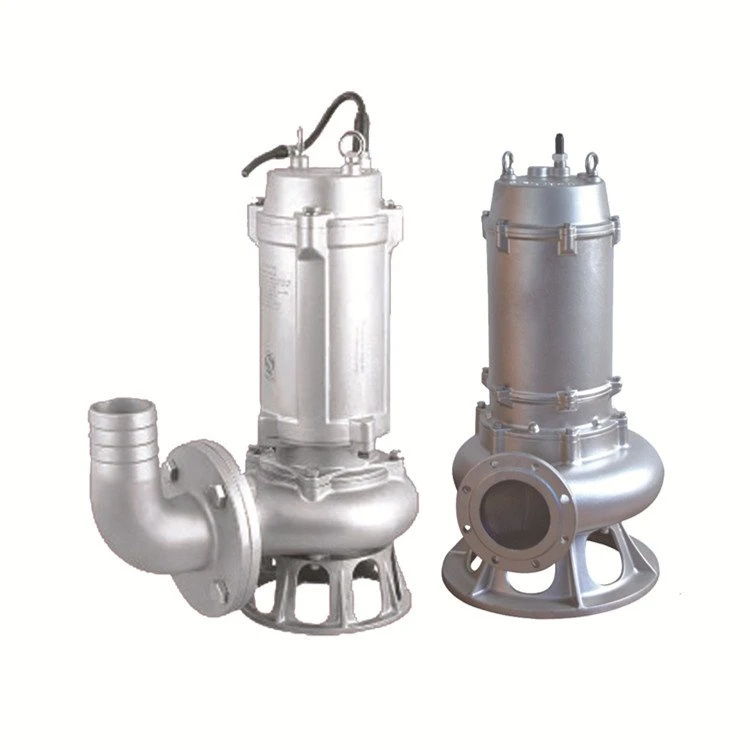
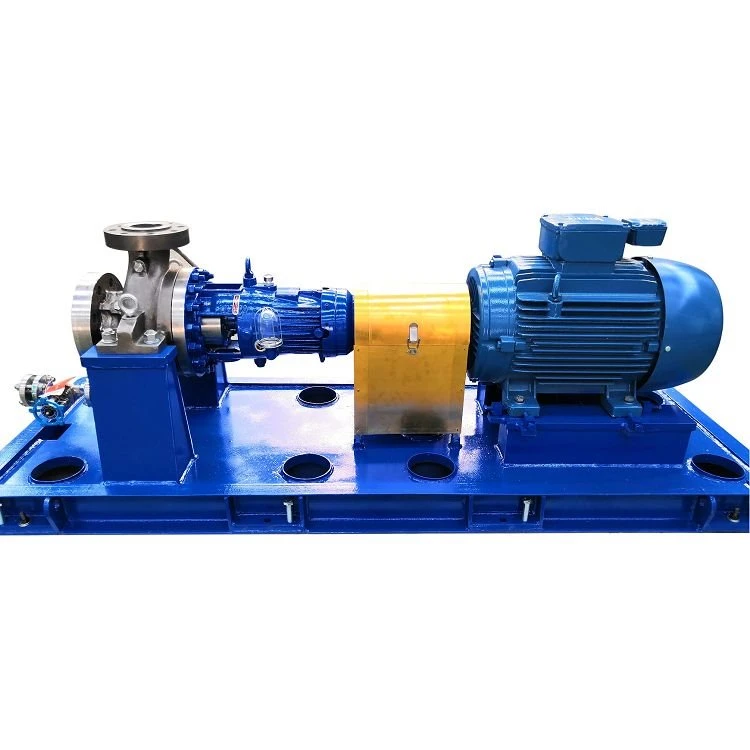
A multi - pump sea water pumping system typically consists of multiple pumps working in tandem to meet the required flow rate and pressure demands. These pumps can be of different types, such as Submersible Sea Water Pump and Centrifugal Sea Water Pump. Each type has its own characteristics, advantages, and limitations.
Submersible sea water pumps are designed to be submerged in the sea water. They are often used in applications where space is limited or where a high - pressure head is required. These pumps are well - suited for deep - sea pumping operations as they can handle the high hydrostatic pressure. On the other hand, centrifugal sea water pumps are more commonly used for general sea water transfer applications. They work by converting rotational energy from an impeller into kinetic energy of the sea water, which is then converted into pressure energy.
The Importance of Load Balancing
Load balancing in a multi - pump sea water pumping system is essential for several reasons. Firstly, it ensures that each pump operates within its optimal performance range. When pumps are overloaded, they are more likely to experience mechanical failures, such as bearing wear, seal leakage, and motor overheating. This not only increases the maintenance costs but also reduces the reliability of the entire system.
Secondly, load balancing helps to improve the energy efficiency of the system. Pumps that are operating at their optimal efficiency consume less energy, which translates into cost savings over the long term. By distributing the load evenly among the pumps, we can avoid situations where some pumps are working at full capacity while others are underutilized.
Finally, proper load balancing extends the lifespan of the pumps. When pumps are subjected to consistent and appropriate loads, they are less likely to suffer from premature wear and tear. This means that the pumps can operate for a longer period without the need for major repairs or replacements.
Factors Affecting Load Distribution
Several factors can affect the load distribution in a multi - pump sea water pumping system. One of the primary factors is the pump characteristics. Different pumps have different performance curves, which describe the relationship between the flow rate, pressure, and power consumption. These curves can vary depending on the pump type, size, and design. For example, a larger pump may be able to handle a higher flow rate but may require more power to operate at low flow rates.
The system demand also plays a significant role in load distribution. The required flow rate and pressure can vary depending on the application. For instance, in a desalination plant, the demand for sea water may fluctuate depending on the production requirements. During peak production periods, the system may need to supply a higher flow rate, which requires more pumps to be in operation.
The piping system is another important factor. The layout of the pipes, the diameter of the pipes, and the presence of valves and fittings can all affect the flow resistance and pressure drop in the system. A poorly designed piping system can cause uneven flow distribution among the pumps, leading to an imbalance in the load.
Strategies for Load Balancing
There are several strategies that can be employed to balance the load on a multi - pump sea water pumping system. One of the most common strategies is the use of variable frequency drives (VFDs). VFDs allow the speed of the pump motors to be adjusted according to the system demand. By controlling the motor speed, we can regulate the flow rate and pressure of the pumps, thereby achieving a more even load distribution.
For example, if the system demand decreases, the VFD can reduce the speed of the pumps, which in turn reduces the flow rate and power consumption. Conversely, if the demand increases, the VFD can increase the speed of the pumps to meet the higher demand. This way, the pumps can operate at their optimal efficiency regardless of the system conditions.
Another strategy is the use of a control system. A control system can monitor the performance of each pump, including the flow rate, pressure, and power consumption. Based on this information, the control system can determine the optimal load distribution and adjust the operation of the pumps accordingly. For instance, if one pump is operating at a higher load than the others, the control system can reduce the load on that pump and increase the load on the other pumps.
In addition, proper pump selection is crucial for load balancing. When designing a multi - pump sea water pumping system, it is important to choose pumps that are compatible with each other and can work together effectively. This includes considering the pump type, size, and performance characteristics. By selecting pumps that have similar performance curves, we can make it easier to achieve a balanced load distribution.
Monitoring and Maintenance
Once the load balancing strategies have been implemented, it is important to monitor the performance of the multi - pump sea water pumping system regularly. This can be done using sensors and monitoring equipment that can measure the flow rate, pressure, temperature, and power consumption of each pump. By analyzing this data, we can detect any signs of load imbalance or pump malfunction early on and take appropriate action.
Regular maintenance is also essential for ensuring the proper operation of the pumps. This includes tasks such as lubrication, inspection of the mechanical components, and calibration of the sensors. By keeping the pumps in good condition, we can minimize the risk of load imbalance and other problems.
Conclusion
Balancing the load on a multi - pump sea water pumping system is a complex but necessary task. As a Sea Water Pump supplier, I understand the importance of providing our customers with solutions that ensure the efficient and reliable operation of their pumping systems. By understanding the factors affecting load distribution, implementing appropriate load balancing strategies, and conducting regular monitoring and maintenance, we can achieve optimal performance and extend the lifespan of the pumps.
If you are in the market for a sea water pumping system or need assistance with load balancing, I encourage you to reach out to us. Our team of experts is ready to help you find the right solutions for your specific needs. Contact us today to start a conversation about your project.
References
- "Pump Handbook" by Igor Karassik et al.
- "Centrifugal Pumps: Design and Application" by Larry Bachus.
- Technical papers and research articles on sea water pumping systems from industry - leading organizations.