Hey there! I'm a supplier in the cast iron casting business, and today I want to chat about how to use chillers in cast iron casting. It's a crucial aspect that can significantly impact the quality of the final castings, so let's dive right in.
First off, let's understand what chillers are in the context of cast iron casting. Chillers are materials or devices used to control the cooling rate of the molten metal during the casting process. They play a vital role in influencing the microstructure and properties of the cast iron. By adjusting the cooling rate, we can achieve different levels of hardness, strength, and ductility in the castings.
One of the primary reasons we use chillers is to promote directional solidification. When the molten cast iron is poured into the mold, it starts to cool and solidify. Without proper control, the solidification can occur in an irregular manner, leading to defects such as porosity, shrinkage, and uneven grain structure. Chillers help to direct the heat flow, ensuring that the solidification progresses from the chill towards the rest of the casting. This results in a more uniform and dense microstructure, improving the mechanical properties of the final product.
There are different types of chillers that we commonly use in cast iron casting. Metallic chillers, such as iron or copper chillers, are often employed due to their high thermal conductivity. They can rapidly absorb heat from the molten metal, accelerating the cooling process in the areas where they are placed. This is particularly useful for thick sections of the casting, where slower cooling rates can lead to coarse grain structures and reduced mechanical properties.
Another type of chiller is the insulating chiller. These are made from materials with low thermal conductivity, such as ceramic or refractory materials. Insulating chillers are used to slow down the cooling rate in specific areas of the casting. This can be beneficial for preventing cracking or distortion in thin sections or areas with complex geometries. By controlling the cooling rate, we can ensure that the casting solidifies evenly and without defects.
Now, let's talk about how to properly use chillers in the cast iron casting process. The first step is to carefully plan the placement of the chillers. This requires a good understanding of the casting design and the desired properties of the final product. We need to identify the areas where rapid cooling or slower cooling is required and place the appropriate chillers accordingly.
For metallic chillers, it's important to ensure good contact with the molten metal. This can be achieved by properly positioning the chillers in the mold and using appropriate fastening methods. If the contact is not good, the heat transfer will be inefficient, and the desired cooling effect may not be achieved.
When using insulating chillers, we need to make sure that they are properly installed and sealed to prevent heat leakage. Any gaps or openings can allow heat to escape, reducing the effectiveness of the chiller. Additionally, we need to consider the thermal expansion properties of the insulating material to avoid cracking or damage during the casting process.
It's also crucial to monitor the temperature during the casting process. This can be done using thermocouples or other temperature measurement devices. By closely monitoring the temperature, we can adjust the cooling rate as needed and ensure that the casting solidifies under the desired conditions.
In addition to controlling the cooling rate, chillers can also be used to modify the microstructure of the cast iron. For example, by using specific types of chillers or by varying the cooling rate, we can promote the formation of different phases in the cast iron, such as graphite or carbide. This can have a significant impact on the mechanical properties of the casting, such as hardness, wear resistance, and ductility.
As a cast iron casting supplier, we often use chillers to produce high-quality castings for various applications. For instance, in the production of Ductile Iron Casting, chillers are used to control the solidification process and ensure the formation of the desired graphite morphology. This results in castings with excellent mechanical properties, including high strength, ductility, and toughness.
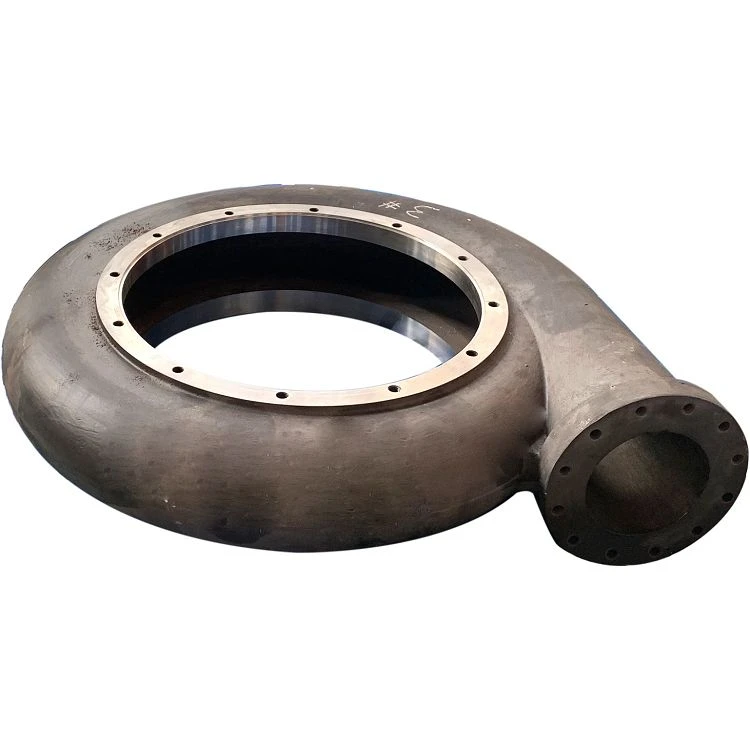
We also use chillers in the production of Wear Resistant Pump Parts. By carefully controlling the cooling rate, we can enhance the hardness and wear resistance of the castings, making them suitable for use in demanding pumping applications.
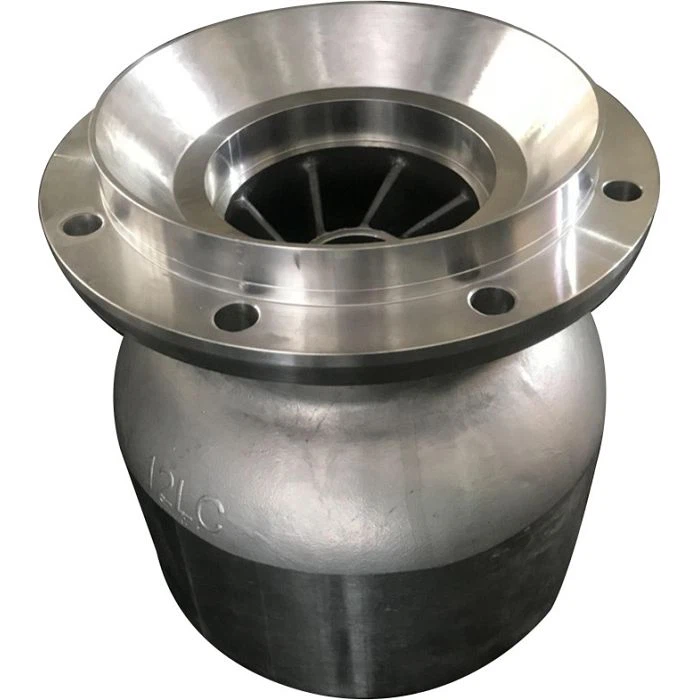
In the case of Stainless Steel Pump Casting, chillers are used to prevent the formation of undesirable phases and to ensure a uniform microstructure. This helps to improve the corrosion resistance and mechanical properties of the castings, making them ideal for use in harsh environments.
In conclusion, using chillers in cast iron casting is a critical step in ensuring the quality and performance of the final product. By carefully selecting and placing the appropriate chillers, monitoring the temperature, and controlling the cooling rate, we can achieve the desired microstructure and mechanical properties in the castings. Whether you're in need of ductile iron casting, wear-resistant pump parts, or stainless steel pump casting, we have the expertise and experience to produce high-quality castings using the latest chiller technology.
If you're interested in our cast iron casting products or have any questions about using chillers in the casting process, feel free to reach out to us. We're always happy to discuss your specific requirements and provide you with the best solutions. Let's work together to create the perfect castings for your applications.
References
- "Foundry Technology" by John Campbell
- "Cast Iron: Physical and Engineering Properties" by R. M. Boyer and T. L. Gall