Determining the pump discharge based on electrical power input is a crucial aspect in various industrial and commercial applications. As a reliable Pump Discharge supplier, I understand the significance of accurate calculations to ensure optimal performance and efficiency of pumping systems. In this blog, I will guide you through the process of calculating pump discharge using electrical power input, providing you with the knowledge and tools necessary to make informed decisions for your pumping needs.
Understanding the Basics
Before delving into the calculation process, it is essential to grasp the fundamental concepts related to pump operation. A pump is a device that converts electrical energy into mechanical energy to move fluids from one location to another. The pump discharge refers to the volume of fluid that the pump can deliver per unit of time, typically measured in gallons per minute (GPM) or cubic meters per hour (m³/h).
The electrical power input to the pump is the amount of electrical energy consumed by the pump motor, usually measured in kilowatts (kW) or horsepower (hp). The relationship between the electrical power input, pump discharge, and other factors such as pump efficiency, head, and specific gravity of the fluid being pumped is governed by the laws of fluid mechanics.
Factors Affecting Pump Discharge
Several factors can influence the pump discharge, including:
- Pump Efficiency: The efficiency of a pump is a measure of how effectively it converts electrical energy into mechanical energy to move the fluid. A higher efficiency pump will deliver more fluid with the same amount of electrical power input.
- Head: The head is the height or pressure against which the pump must operate to move the fluid. It includes the static head (the vertical distance between the suction and discharge points) and the friction head (the resistance to flow caused by the pipes, fittings, and valves in the system). A higher head requires more power to overcome, resulting in a lower pump discharge.
- Specific Gravity of the Fluid: The specific gravity of a fluid is the ratio of its density to the density of water. Fluids with a higher specific gravity require more power to move, which can affect the pump discharge.
- Pump Design and Size: The design and size of the pump, including the impeller diameter, number of stages, and type of pump (e.g., centrifugal, positive displacement), can also impact the pump discharge.
Calculating Pump Discharge Based on Electrical Power Input
To calculate the pump discharge based on electrical power input, you will need to know the following information:
- Electrical Power Input (P): The electrical power input to the pump motor, measured in kilowatts (kW) or horsepower (hp).
- Pump Efficiency (η): The efficiency of the pump, expressed as a decimal or percentage.
- Head (H): The total head against which the pump must operate, measured in feet (ft) or meters (m).
- Specific Gravity of the Fluid (SG): The specific gravity of the fluid being pumped.
The following formula can be used to calculate the pump discharge (Q) in gallons per minute (GPM):
[ Q = \frac{3960 \times P \times \eta}{H \times SG} ]
where:
- ( Q ) is the pump discharge in GPM.
- ( P ) is the electrical power input in hp.
- ( \eta ) is the pump efficiency (expressed as a decimal).
- ( H ) is the head in ft.
- ( SG ) is the specific gravity of the fluid.
If you prefer to use SI units, the formula can be modified as follows:
[ Q = \frac{367 \times P \times \eta}{H \times SG} ]
where:
- ( Q ) is the pump discharge in m³/h.
- ( P ) is the electrical power input in kW.
- ( \eta ) is the pump efficiency (expressed as a decimal).
- ( H ) is the head in m.
- ( SG ) is the specific gravity of the fluid.
Example Calculation
Let's consider an example to illustrate the calculation process. Suppose you have a pump with an electrical power input of 10 hp, a pump efficiency of 80% (0.8), a head of 100 ft, and a fluid with a specific gravity of 1. Using the formula above, the pump discharge can be calculated as follows:
[ Q = \frac{3960 \times 10 \times 0.8}{100 \times 1} = 316.8 \text{ GPM} ]
Therefore, the pump is capable of delivering approximately 316.8 GPM of fluid under the given conditions.
Importance of Accurate Calculations
Accurate calculations of pump discharge based on electrical power input are essential for several reasons:
- System Design: Proper sizing of the pump and the associated piping system is crucial to ensure that the system can meet the required flow rate and pressure. Incorrect calculations can result in an undersized or oversized pump, leading to inefficient operation, increased energy consumption, and potential equipment damage.
- Energy Efficiency: By accurately calculating the pump discharge, you can select a pump with the appropriate efficiency and power rating to minimize energy consumption. This can result in significant cost savings over the life of the pump.
- Performance Optimization: Understanding the relationship between the electrical power input and the pump discharge allows you to optimize the pump operation by adjusting the speed, impeller diameter, or other parameters to achieve the desired flow rate and pressure.
Choosing the Right Pump Discharge
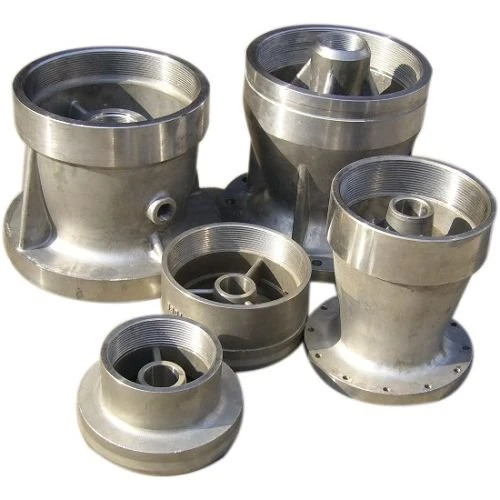
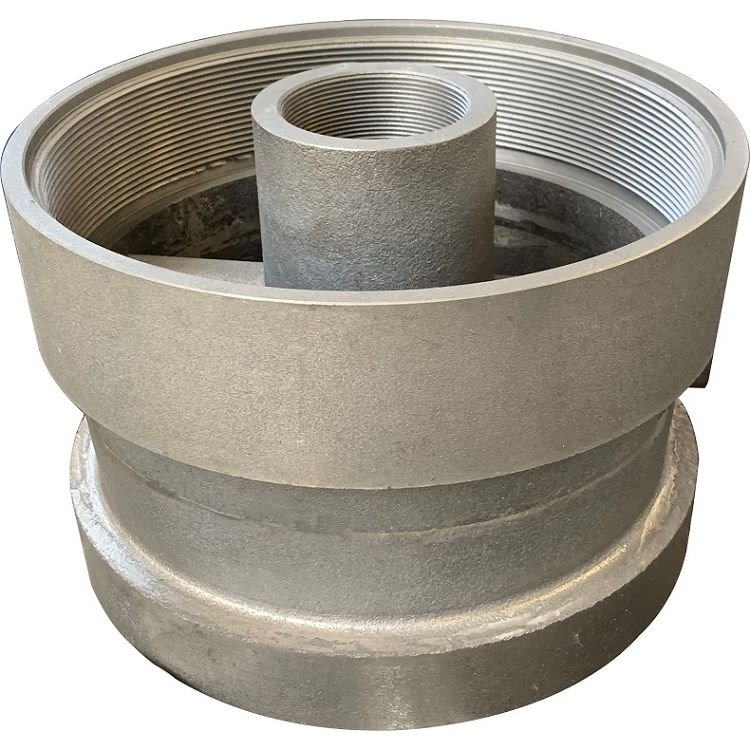
As a Pump Discharge supplier, I offer a wide range of high-quality pump discharges to meet your specific needs. Whether you require a Cast Iron Pump Discharge for its durability and affordability or a Stainless Steel Pump Discharge for its corrosion resistance and hygienic properties, I have the right solution for you.
When selecting a pump discharge, it is important to consider the following factors:
- Flow Rate and Pressure Requirements: Determine the required flow rate and pressure for your application to ensure that the pump discharge can meet your needs.
- Fluid Characteristics: Consider the specific gravity, viscosity, temperature, and corrosiveness of the fluid being pumped to select a pump discharge that is compatible with the fluid.
- System Design: Take into account the layout and configuration of the piping system, including the length, diameter, and number of fittings, to ensure that the pump discharge can be installed and integrated seamlessly into the system.
- Energy Efficiency: Look for pump discharges with high efficiency ratings to minimize energy consumption and operating costs.
Contact Us for Your Pump Discharge Needs
If you have any questions or need assistance in calculating the pump discharge based on electrical power input or selecting the right pump discharge for your application, please do not hesitate to contact us. Our team of experts is dedicated to providing you with the best solutions and support to ensure the success of your pumping system.
We look forward to working with you and helping you achieve your pumping goals.
References
- Crane Co., "Flow of Fluids Through Valves, Fittings, and Pipe," Technical Paper No. 410, 1988.
- Karassik, I. J., et al., "Pump Handbook," 4th Edition, McGraw-Hill, 2008.
- Stephens, A. B., "Centrifugal Pumps: Design and Application," 2nd Edition, Gulf Publishing Company, 1992.