As a distributor specializing in pump impellers, I've witnessed firsthand the critical role these components play in the overall performance of pumps. One question that often arises in technical discussions and customer inquiries is the impact of pump impeller rotation direction on pump performance. In this blog, I'll delve into this topic, exploring how the rotation direction can affect various aspects of pump operation and efficiency.
Understanding the Basics of Pump Impellers
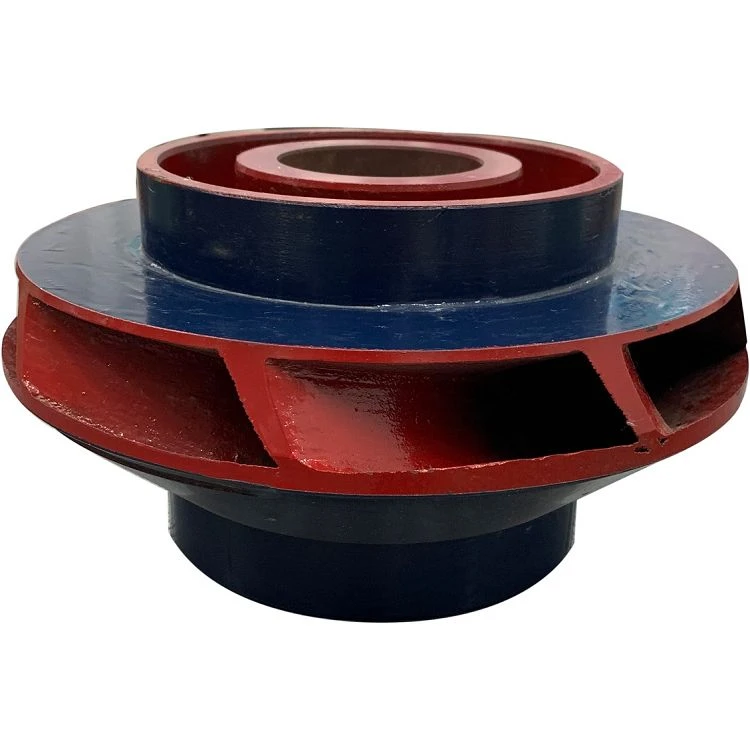
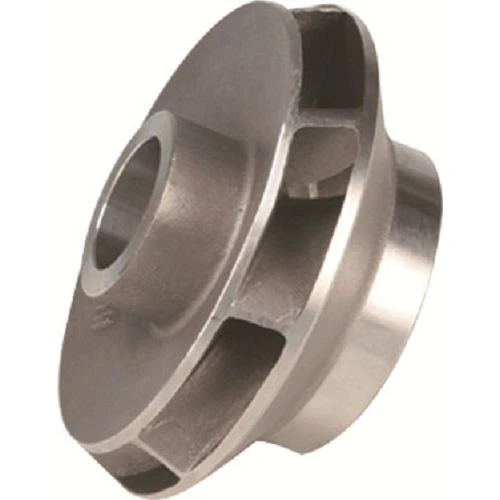
Before we discuss the effects of rotation direction, let's briefly review what a pump impeller is and how it functions. A pump impeller is a rotating component with vanes or blades that transfers energy to the fluid being pumped. As the impeller rotates, it creates a centrifugal force that moves the fluid from the center of the impeller (the eye) to the outer edge, increasing the fluid's velocity and pressure.
There are different types of pump impellers available, each designed for specific applications and fluid characteristics. For instance, we offer Bronze Pump Impeller, which are known for their corrosion resistance and durability, making them suitable for use in marine and chemical applications. Our Stainless Steel Pump Impeller are highly resistant to rust and can handle a wide range of fluids, including those with high temperatures and pressures. And our Cast Iron Pump Impeller are cost - effective and commonly used in general - purpose pumping applications.
The Impact of Rotation Direction on Pump Performance
Flow Rate
The rotation direction of the pump impeller has a direct impact on the flow rate of the pump. When the impeller rotates in the correct direction, the vanes are designed to efficiently scoop up the fluid from the eye and direct it towards the outlet. This smooth flow path allows the pump to achieve its rated flow rate.
However, if the impeller rotates in the wrong direction, the vanes will not be able to capture and direct the fluid effectively. The fluid may not flow through the pump as intended, resulting in a significant reduction in the flow rate. In some cases, the flow rate can drop to as little as 10 - 20% of the pump's rated capacity.
Head Pressure
Head pressure is another crucial aspect of pump performance. It refers to the height to which the pump can lift the fluid or the pressure it can generate. The correct rotation direction of the impeller ensures that the fluid gains the necessary kinetic energy and is then converted into pressure energy as it moves through the pump.
When the impeller rotates in the incorrect direction, the fluid does not receive the proper energy transfer. The vanes are not working in the optimal configuration to build up pressure. As a result, the head pressure generated by the pump will be much lower than expected. This can lead to problems such as insufficient water supply in a building's plumbing system or inability to overcome the resistance in a long - distance pipeline.
Efficiency
Pump efficiency is a measure of how effectively the pump converts the input power into useful work of moving the fluid. A pump operating with the impeller rotating in the correct direction is designed to minimize energy losses due to factors like turbulence and recirculation.
In contrast, an impeller rotating in the wrong direction creates a chaotic flow pattern inside the pump. The fluid may recirculate within the pump housing, causing additional friction and energy losses. This means that the pump has to consume more power to achieve the same amount of fluid movement, resulting in a significant decrease in efficiency. In some cases, the efficiency can drop by 30 - 50%, leading to higher energy costs for the end - user.
Cavitation
Cavitation is a phenomenon that occurs when the pressure of the fluid drops below its vapor pressure, causing the formation of vapor bubbles. These bubbles then collapse when they reach a region of higher pressure, creating shock waves that can damage the impeller and other pump components.
The correct rotation direction helps maintain a stable pressure distribution within the pump, reducing the likelihood of cavitation. But when the impeller rotates in the wrong direction, the pressure distribution is disrupted. The fluid may experience sudden drops in pressure, increasing the risk of cavitation. Cavitation not only damages the impeller but also reduces the pump's performance and lifespan.
Determining the Correct Rotation Direction
Determining the correct rotation direction of a pump impeller is essential for optimal performance. Most pumps have an arrow on the pump housing indicating the correct direction of rotation. This arrow is usually aligned with the intended flow path of the fluid through the pump.
In some cases, the pump's manual or technical documentation will also specify the correct rotation direction. If there is any uncertainty, it's advisable to consult the pump manufacturer or a professional pump technician.
It's important to note that some pumps are designed to be reversible, meaning they can operate with the impeller rotating in either direction. However, even for these pumps, the performance may vary depending on the rotation direction, and it's still necessary to follow the manufacturer's guidelines for the best results.
Practical Considerations in the Field
In real - world applications, incorrect impeller rotation can occur due to various reasons. For example, during pump installation, the electrical connections may be made incorrectly, causing the motor to rotate the impeller in the wrong direction. In some cases, the pump may be accidentally reinstalled with the impeller in the incorrect orientation.
When troubleshooting a pump with poor performance, checking the rotation direction of the impeller should be one of the first steps. If the wrong rotation direction is identified, it can usually be corrected by reversing the electrical connections to the motor (for electric pumps) or adjusting the drive mechanism (for other types of pumps).
Conclusion
The rotation direction of a pump impeller has a profound impact on pump performance. It affects the flow rate, head pressure, efficiency, and even the risk of cavitation. As a pump impeller supplier, I strongly recommend ensuring that the impeller rotates in the correct direction to achieve optimal pump operation.
If you're facing issues with your pump's performance or need to select the right pump impeller for your application, don't hesitate to reach out. We have a team of experts who can provide you with professional advice and high - quality pump impellers. Whether you need a Bronze Pump Impeller, Stainless Steel Pump Impeller, or Cast Iron Pump Impeller, we've got you covered. Contact us today to start a discussion about your specific requirements.
References
- Karassik, I. J., Messina, J. P., Cooper, P. T., & Heald, C. C. (2008). Pump Handbook. McGraw - Hill.
- Stepanoff, A. J. (1957). Centrifugal and Axial Flow Pumps: Theory, Design, and Application. Wiley.