Hey there! As a supplier of submersible pumps, I've seen firsthand how important it is to ensure these pumps are working properly. A malfunctioning submersible pump can lead to all sorts of headaches, from reduced water flow to complete system failures. In this blog post, I'll share some tips on how to check if a submersible pump is working as it should.
Visual Inspection
Before you start any technical checks, a visual inspection is a good first step. Take a look at the pump itself. Check for any obvious signs of damage, like cracks in the casing or loose connections. Make sure all the wires are intact and not frayed. If you notice any physical damage, it's likely that the pump won't work properly and might need to be repaired or replaced.
Also, check the area around the pump. Look for any signs of leaks. A leak can not only waste water but also indicate a problem with the pump's seals or connections. If you see water pooling around the pump, it's a clear sign that something's wrong.
Power Supply
One of the most common reasons a submersible pump might not work is a problem with the power supply. First, check if the pump is properly plugged in. Sounds simple, but you'd be surprised how often this is the issue. Make sure the power cord is securely connected to the pump and the power source.
Next, check the circuit breaker or fuse box. If the breaker has tripped or the fuse has blown, it could be due to an electrical problem with the pump. Reset the breaker or replace the fuse, but be careful. If it trips or blows again right away, there's likely a more serious issue with the pump that needs to be addressed.
You can also use a multimeter to test the voltage at the pump's power supply. A properly functioning pump should receive the correct voltage. If the voltage is too low or too high, it can cause the pump to malfunction.
Water Flow
The most obvious way to tell if a submersible pump is working is by checking the water flow. Turn on the pump and see if water is being pumped out as expected. If there's no water flow at all, there could be a blockage in the pump or the pipes. Check the intake screen of the pump for any debris that might be blocking the water from entering.
If the water flow is weak, it could be due to a few different reasons. The pump might be clogged, the impeller could be damaged, or there could be a problem with the pump's motor. You can try cleaning the pump and the pipes to see if that improves the flow. If not, further inspection might be needed.
Pressure
Another important factor to consider is the water pressure. You can use a pressure gauge to measure the pressure at the outlet of the pump. A normal operating pressure will depend on the specific model of the pump, so refer to the manufacturer's specifications. If the pressure is too low, it could indicate a problem with the pump's performance. If the pressure is too high, it could be due to a blockage or a malfunctioning pressure switch.
Motor Operation
The motor is the heart of the submersible pump, so it's crucial to make sure it's working properly. Listen to the motor when the pump is running. A normal motor should run smoothly and quietly. If you hear any strange noises, like grinding, rattling, or screeching, it could be a sign of a problem. These noises could indicate a damaged bearing, a loose part, or an electrical issue.
You can also check the temperature of the motor. If it's getting too hot, it could be overworking or there could be an electrical problem. A hot motor can cause damage to the pump and reduce its lifespan. If the motor is overheating, turn off the pump immediately and let it cool down. Then, investigate the cause of the overheating.
Submersible Motor and Related Components
When it comes to submersible pumps, the Submersible Motor is a critical component. It's important to understand how it works and what to look for when checking its performance. The motor is responsible for driving the impeller, which is what pumps the water.
If you suspect a problem with the submersible motor, you might need to perform more in-depth checks. This could involve testing the motor's windings with a multimeter to check for continuity. If there's no continuity, it could mean that the motor is damaged and needs to be replaced.
Types of Submersible Pumps
There are different types of submersible pumps, each with its own unique characteristics and potential issues. For example, the Submersible Slurry Pump is designed to handle abrasive materials like sand and mud. These pumps are more prone to wear and tear due to the nature of the materials they pump.
The Submersible Sewage Pump, on the other hand, is used for pumping sewage and wastewater. These pumps need to be able to handle solids and debris without getting clogged. When checking these types of pumps, pay special attention to the intake and the impeller for any signs of blockage or damage.
Regular Maintenance
To keep your submersible pump working properly, regular maintenance is key. This includes cleaning the pump and the intake screen regularly to prevent blockages. You should also lubricate any moving parts as recommended by the manufacturer.
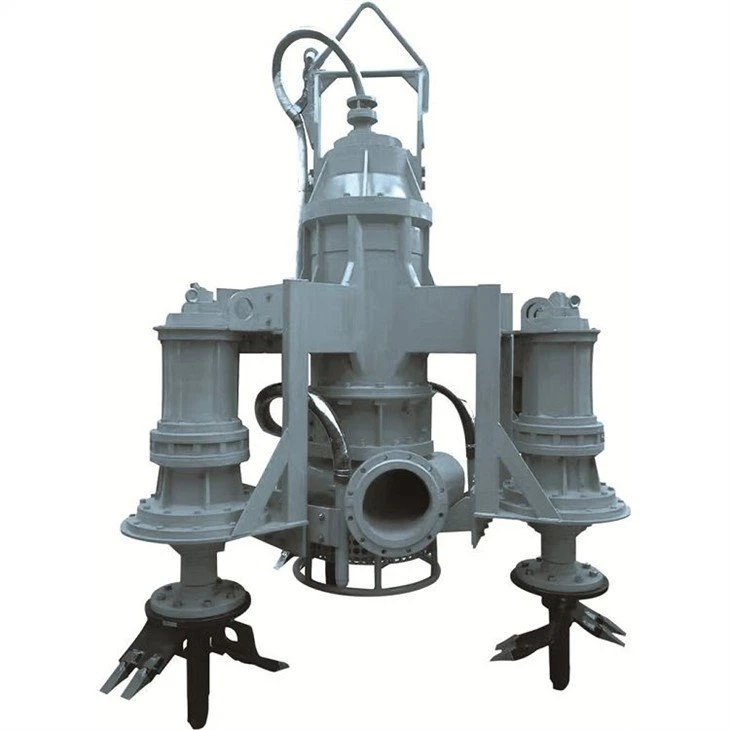

Inspect the pump and its components periodically for signs of wear and tear. Replace any worn-out parts before they cause a major problem. By following a regular maintenance schedule, you can extend the lifespan of your submersible pump and avoid costly repairs.
Conclusion
Checking if a submersible pump is working properly involves a combination of visual inspection, checking the power supply, monitoring the water flow and pressure, and listening to the motor. By following these steps, you can identify and address any issues with your pump before they become serious.
If you're in the market for a new submersible pump or need help with maintenance and repairs, don't hesitate to reach out. As a supplier, we have a wide range of high-quality submersible pumps, including Submersible Slurry Pump and Submersible Sewage Pump. We can also provide expert advice and support to ensure you get the most out of your pump. Contact us today to discuss your needs and start the procurement process.
References
- Manufacturer's manuals for submersible pumps
- Industry standards and best practices for pump maintenance and operation