As a leading supplier of pump suction components, I've witnessed firsthand the critical role vacuum breakers play in maintaining the efficiency and longevity of pump systems. In this blog, I'll guide you through the process of installing and maintaining a vacuum breaker in pump suction, sharing insights and best practices based on my years of experience in the industry.
Understanding the Importance of Vacuum Breakers in Pump Suction
Before delving into the installation and maintenance process, it's essential to understand why vacuum breakers are crucial in pump suction applications. A vacuum breaker is a device that prevents the formation of a vacuum in the pump suction line, which can lead to a variety of issues, including cavitation, reduced pump efficiency, and damage to the pump and piping system.
Cavitation occurs when the pressure in the pump suction line drops below the vapor pressure of the liquid being pumped, causing the formation of vapor bubbles. These bubbles collapse as they enter the higher-pressure region of the pump, creating shock waves that can damage the pump impeller, casing, and other components. By preventing the formation of a vacuum, a vacuum breaker helps to eliminate the risk of cavitation and ensures smooth and efficient pump operation.
Selecting the Right Vacuum Breaker for Your Pump Suction
The first step in installing a vacuum breaker in pump suction is selecting the right device for your specific application. There are several factors to consider when choosing a vacuum breaker, including the type of pump, the flow rate, the pressure requirements, and the type of liquid being pumped.
- Type of Pump: Different types of pumps have different suction requirements, so it's important to choose a vacuum breaker that is compatible with your pump. For example, centrifugal pumps typically require a different type of vacuum breaker than positive displacement pumps.
- Flow Rate: The flow rate of your pump will determine the size and capacity of the vacuum breaker you need. A larger pump with a higher flow rate will require a larger vacuum breaker to ensure adequate protection.
- Pressure Requirements: The pressure requirements of your pump system will also affect the selection of a vacuum breaker. Make sure to choose a vacuum breaker that can handle the maximum pressure in your system.
- Type of Liquid: The type of liquid being pumped can also impact the performance of the vacuum breaker. For example, corrosive liquids may require a vacuum breaker made of a corrosion-resistant material.
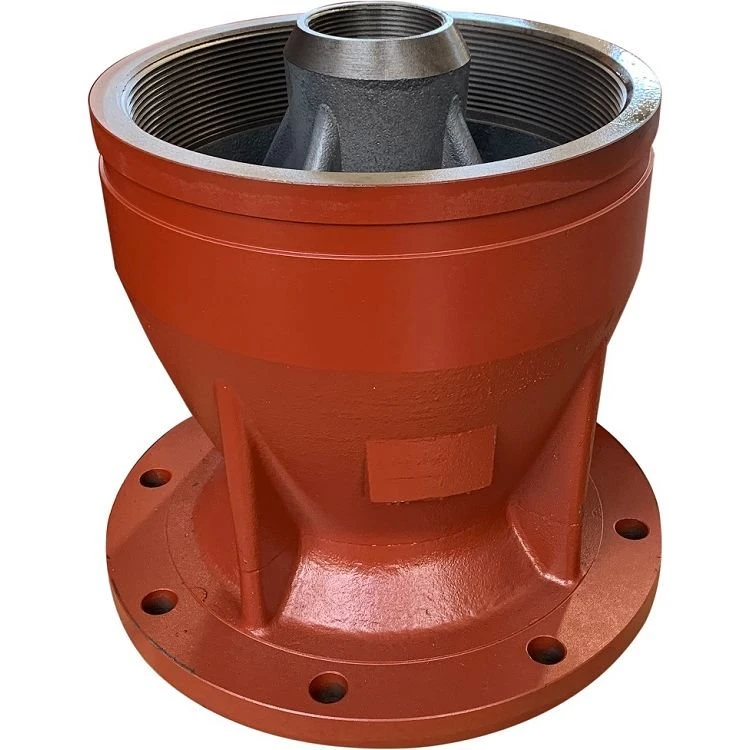
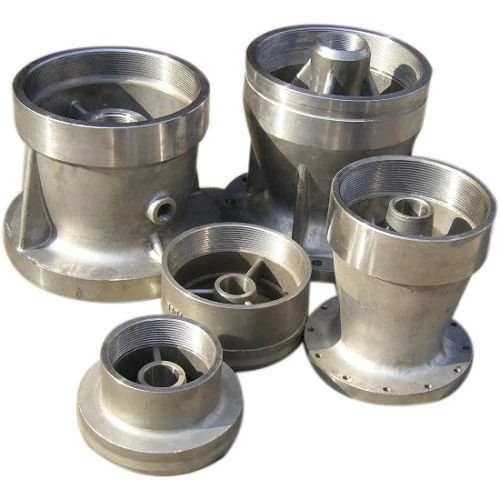
At our company, we offer a wide range of vacuum breakers to suit various pump suction applications. Whether you need a Cast Iron Pump Suction or a Stainless Steel Pump Suction, we have the expertise and products to meet your needs.
Installing a Vacuum Breaker in Pump Suction
Once you've selected the right vacuum breaker for your application, it's time to install it in your pump suction line. Here's a step-by-step guide to help you through the installation process:
- Shut off the Pump: Before starting any installation work, make sure to shut off the pump and isolate the suction line from the power source. This will prevent any accidental start-up and ensure your safety.
- Locate the Installation Point: Identify the ideal location for the vacuum breaker in the pump suction line. The vacuum breaker should be installed as close to the pump as possible, preferably within 12 inches of the pump inlet.
- Prepare the Suction Line: Clean the suction line thoroughly to remove any dirt, debris, or rust. This will ensure a proper seal between the vacuum breaker and the suction line.
- Install the Vacuum Breaker: Follow the manufacturer's instructions to install the vacuum breaker in the suction line. Make sure to use the appropriate gaskets and fittings to ensure a tight seal.
- Connect the Vacuum Breaker: Connect the vacuum breaker to the pump suction line using the appropriate piping and fittings. Make sure to tighten all connections securely to prevent leaks.
- Test the Installation: Once the vacuum breaker is installed, turn on the pump and check for any leaks or abnormal noises. If everything looks and sounds normal, the installation is complete.
Maintaining a Vacuum Breaker in Pump Suction
Proper maintenance is essential to ensure the long-term performance and reliability of your vacuum breaker. Here are some tips to help you maintain your vacuum breaker in pump suction:
- Regular Inspections: Conduct regular inspections of the vacuum breaker to check for any signs of damage, wear, or corrosion. Look for cracks, leaks, or loose connections, and replace any damaged components immediately.
- Cleaning: Clean the vacuum breaker periodically to remove any dirt, debris, or buildup that may affect its performance. Use a soft brush or cloth to clean the exterior of the vacuum breaker, and follow the manufacturer's instructions for cleaning the internal components.
- Lubrication: If your vacuum breaker requires lubrication, make sure to use the appropriate lubricant and follow the manufacturer's instructions for lubrication intervals.
- Testing: Test the vacuum breaker regularly to ensure it is functioning properly. You can use a vacuum gauge or a pressure tester to check the performance of the vacuum breaker.
- Replacement: Over time, the vacuum breaker may wear out or become damaged beyond repair. When this happens, it's important to replace the vacuum breaker with a new one to ensure the continued protection of your pump system.
Troubleshooting Common Vacuum Breaker Issues
Even with proper installation and maintenance, vacuum breakers can sometimes experience issues. Here are some common problems and solutions to help you troubleshoot your vacuum breaker:
- Leaking: If you notice a leak in the vacuum breaker, check the gaskets and fittings for any signs of damage or wear. Tighten any loose connections or replace any damaged components as needed.
- Not Opening or Closing Properly: If the vacuum breaker is not opening or closing properly, check the internal components for any signs of damage or blockage. Clean or replace any damaged components as needed.
- Reduced Performance: If you notice a reduction in the performance of the vacuum breaker, check the suction line for any restrictions or blockages. Clean or replace any clogged filters or strainers as needed.
- Noisy Operation: If the vacuum breaker is making a loud noise during operation, check the internal components for any signs of damage or wear. Replace any damaged components as needed.
Conclusion
Installing and maintaining a vacuum breaker in pump suction is an important step in ensuring the efficiency and longevity of your pump system. By following the guidelines outlined in this blog, you can select the right vacuum breaker for your application, install it correctly, and maintain it properly to prevent issues and ensure reliable operation.
If you have any questions or need further assistance with installing or maintaining a vacuum breaker in pump suction, please don't hesitate to contact us. Our team of experts is here to help you find the right solution for your specific needs. We offer a wide range of pump suction components, including Cast Iron Pump Suction and Stainless Steel Pump Suction, and we're committed to providing our customers with the highest quality products and services.
Contact us today to learn more about our pump suction solutions and how we can help you improve the performance and reliability of your pump system.
References
- "Pump Handbook" by Igor J. Karassik, Joseph P. Messina, Paul Cooper, and Charles C. Heald
- "Mechanical Engineering Handbook" by Myer Kutz
- Manufacturer's instructions and documentation for vacuum breakers and pump suction components