Hey there! As a supplier of pump suction, I've seen a lot of customers scratching their heads when it comes to choosing between centrifugal and positive displacement pump suction. It's a common dilemma, but don't worry - I'm here to break it down for you in a way that's easy to understand.
First off, let's talk about what each type of pump suction does. Centrifugal pump suction uses centrifugal force to move fluid. It's like when you spin a bucket of water around really fast - the water gets pushed to the edges. In a centrifugal pump, an impeller spins, creating a low - pressure area at the center that sucks in fluid and then flings it outwards. On the other hand, positive displacement pump suction works by trapping a fixed amount of fluid and then forcing it into the discharge pipe. It's kind of like a syringe - you draw in a certain volume of liquid and then push it out.
Flow Rate and Pressure
One of the key factors in choosing between the two is the flow rate and pressure requirements of your application. Centrifugal pump suction is great for applications that need a high flow rate at a relatively low pressure. For example, if you're using it to move water in a large - scale irrigation system, a centrifugal pump can pump a huge amount of water quickly. The flow rate in a centrifugal pump is proportional to the speed of the impeller. So, if you need to increase the flow, you can just speed up the impeller.
Positive displacement pump suction, however, is better for applications that require a constant flow rate at a high pressure. Think about a chemical injection system in an industrial plant. You need to inject a precise amount of chemicals at a specific pressure. A positive displacement pump can do this job perfectly because it delivers a fixed volume of fluid with each cycle, regardless of the pressure in the system.
Viscosity of the Fluid
The viscosity of the fluid you're pumping also plays a big role. Centrifugal pump suction is most efficient when dealing with low - viscosity fluids like water or gasoline. As the viscosity of the fluid increases, the performance of a centrifugal pump drops significantly. The impeller has a harder time moving the thick fluid, and you may end up using more energy to achieve the same flow rate.
Positive displacement pump suction, on the other hand, can handle high - viscosity fluids much better. Whether you're pumping oil, honey, or even sludge, a positive displacement pump can maintain its performance. The fixed - volume chambers in a positive displacement pump are designed to trap and move thick fluids effectively.
Cost and Maintenance
Cost is always a consideration. Centrifugal pump suction is generally less expensive to purchase and install. They are simpler in design, with fewer moving parts, which means lower manufacturing costs. Also, the installation process is usually straightforward, so you can save on labor costs.
In terms of maintenance, centrifugal pumps are relatively easy to maintain. The impeller is the main part that may need replacement over time, and it's usually a simple process. However, if the pump is used in a harsh environment or with abrasive fluids, the impeller can wear out quickly.
Positive displacement pump suction, on the other hand, can be more expensive upfront. They have a more complex design with multiple moving parts, which increases the manufacturing cost. Maintenance can also be more involved. For example, in a reciprocating positive displacement pump, the valves and pistons need to be inspected and replaced regularly. But if you need the high - pressure and precise flow control that a positive displacement pump offers, the extra cost may be worth it.
Cavitation and Priming
Cavitation is a problem that can occur in both types of pumps, but it's more of an issue with centrifugal pump suction. Cavitation happens when the pressure in the pump drops below the vapor pressure of the fluid, causing bubbles to form. These bubbles then collapse when they reach a high - pressure area, which can damage the impeller and reduce the pump's efficiency. To prevent cavitation, you need to make sure the suction pressure is high enough and the fluid temperature is within the pump's operating range.
Priming is another consideration. Centrifugal pumps need to be primed before they can start working. Priming means filling the pump and the suction line with fluid to remove any air. If there's air in the pump, it won't be able to create the necessary suction. Positive displacement pumps, on the other hand, are self - priming in most cases. They can draw fluid into the pump even if there's air in the system.
Material of the Pump Suction
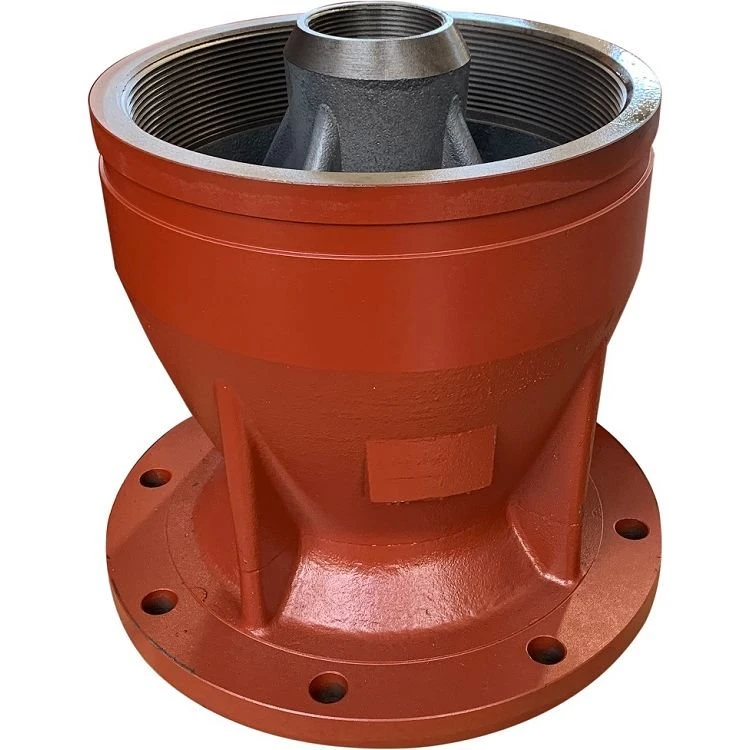
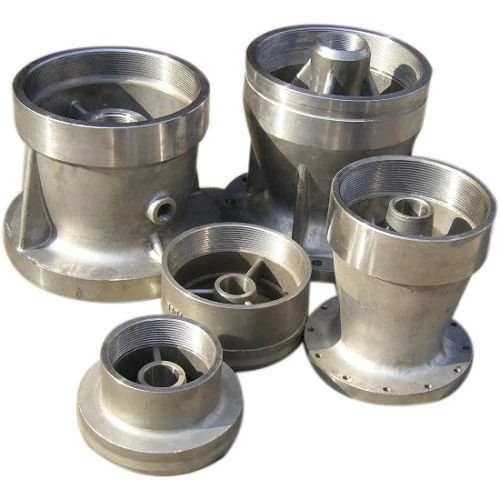
When it comes to the material of the pump suction, we offer two popular options: Stainless Steel Pump Suction and Cast Iron Pump Suction. Stainless steel is a great choice if you're pumping corrosive fluids. It's resistant to rust and can withstand harsh chemicals. Cast iron, on the other hand, is more affordable and is suitable for non - corrosive applications like pumping water.
Conclusion
So, how do you choose between centrifugal and positive displacement pump suction? It really depends on your specific application. If you need a high - flow, low - pressure solution for a low - viscosity fluid, a centrifugal pump is probably the way to go. But if you require a constant flow at high pressure and need to handle high - viscosity fluids, a positive displacement pump is the better option.
If you're still not sure which type of pump suction is right for you, don't hesitate to reach out. We're here to help you make the best choice for your needs. Whether you're a small - scale business or a large industrial plant, we can provide the right pump suction solution for you. Contact us to start the procurement process and let's find the perfect pump suction for your application.
References
- "Pump Handbook" by Igor J. Karassik et al.
- "Centrifugal Pumps: Design and Application" by Heinz P. Bloch.
- "Positive Displacement Pumps: Fundamentals and Applications" by Norman A. Cameron.