What is the Pressure Rating of a Slurry Pump?
As a seasoned supplier of slurry pumps, I've encountered numerous inquiries regarding the pressure rating of these essential industrial machines. Understanding the pressure rating of a slurry pump is crucial for ensuring its optimal performance, longevity, and safety in various applications. In this blog post, I'll delve into the concept of pressure rating, its significance, and how it impacts the selection and operation of slurry pumps.
Understanding Pressure Rating
The pressure rating of a slurry pump refers to the maximum pressure that the pump can safely withstand and generate during operation. It is typically measured in pounds per square inch (psi) or bars and is determined by several factors, including the pump's design, materials of construction, and intended application. The pressure rating is a critical specification that indicates the pump's ability to handle the pressure requirements of a particular system without experiencing mechanical failure or damage.
There are two main types of pressure ratings associated with slurry pumps: suction pressure and discharge pressure. The suction pressure is the pressure at the inlet of the pump, which is responsible for drawing the slurry into the pump. The discharge pressure, on the other hand, is the pressure at the outlet of the pump, which is responsible for pushing the slurry through the pipeline and to its destination. Both suction and discharge pressures are important considerations when selecting a slurry pump, as they determine the pump's overall performance and efficiency.
Significance of Pressure Rating
The pressure rating of a slurry pump is of utmost importance for several reasons. Firstly, it ensures the safety of the pump and the entire system. Operating a pump beyond its pressure rating can lead to excessive stress on the pump components, such as the casing, impeller, and seals, which can result in premature failure, leakage, or even explosion. By adhering to the recommended pressure rating, you can minimize the risk of accidents and ensure the reliable operation of the pump.
Secondly, the pressure rating affects the pump's performance and efficiency. A pump that is operating at or near its maximum pressure rating may experience reduced flow rates, increased power consumption, and higher levels of wear and tear. On the other hand, a pump that is operating below its pressure rating may not be able to generate enough pressure to overcome the resistance in the pipeline and deliver the slurry to its destination. Therefore, it is essential to select a pump with a pressure rating that is appropriate for the specific application to ensure optimal performance and efficiency.
Finally, the pressure rating can impact the cost of the pump and the overall system. Pumps with higher pressure ratings typically require more robust construction materials and advanced design features, which can increase their initial cost. Additionally, operating a pump at a higher pressure rating may require more energy, which can result in higher operating costs over time. Therefore, it is important to balance the pressure requirements of the application with the cost of the pump and the system to ensure a cost-effective solution.
Factors Affecting Pressure Rating
Several factors can affect the pressure rating of a slurry pump. One of the most important factors is the pump's design. Different pump designs, such as centrifugal pumps, positive displacement pumps, and diaphragm pumps, have different pressure capabilities. Centrifugal pumps, for example, are typically used for applications that require high flow rates and low to medium pressures, while positive displacement pumps are better suited for applications that require high pressures and low flow rates.
The materials of construction also play a significant role in determining the pressure rating of a slurry pump. Pumps that are made from high-strength materials, such as stainless steel, cast iron, or ceramic, can withstand higher pressures than pumps that are made from less durable materials. Additionally, the design and construction of the pump's components, such as the impeller, casing, and seals, can also affect its pressure rating.
The viscosity and density of the slurry being pumped can also impact the pressure rating of the pump. Slurries with higher viscosities and densities require more energy to pump and can generate higher pressures in the pipeline. Therefore, it is important to consider the properties of the slurry when selecting a pump and determining its pressure rating.
Finally, the operating conditions, such as the temperature, pressure, and flow rate of the slurry, can also affect the pressure rating of the pump. Operating a pump at high temperatures or pressures can increase the stress on the pump components and reduce its pressure rating. Additionally, variations in the flow rate of the slurry can cause fluctuations in the pressure, which can also affect the pump's performance and longevity.
Selecting the Right Pressure Rating
Selecting the right pressure rating for a slurry pump is a critical decision that requires careful consideration of several factors. The first step is to determine the pressure requirements of the application. This can be done by calculating the total head, which is the sum of the static head (the vertical distance between the pump and the destination), the friction head (the pressure loss due to friction in the pipeline), and the velocity head (the pressure required to accelerate the slurry to its desired velocity).
Once the total head has been calculated, you can select a pump with a pressure rating that is equal to or greater than the total head. It is important to note that the pressure rating of the pump should be selected based on the maximum expected pressure in the system, rather than the average pressure. This ensures that the pump can handle any fluctuations in the pressure and operate safely and efficiently.
In addition to the pressure rating, you should also consider other factors, such as the flow rate, the viscosity and density of the slurry, the temperature and pressure of the operating environment, and the material of construction of the pump. These factors can all affect the performance and longevity of the pump and should be carefully evaluated before making a final decision.
Our Slurry Pump Offerings
At our company, we offer a wide range of slurry pumps with different pressure ratings to meet the diverse needs of our customers. Our pumps are designed and manufactured using the latest technology and high-quality materials to ensure reliable performance and long service life.
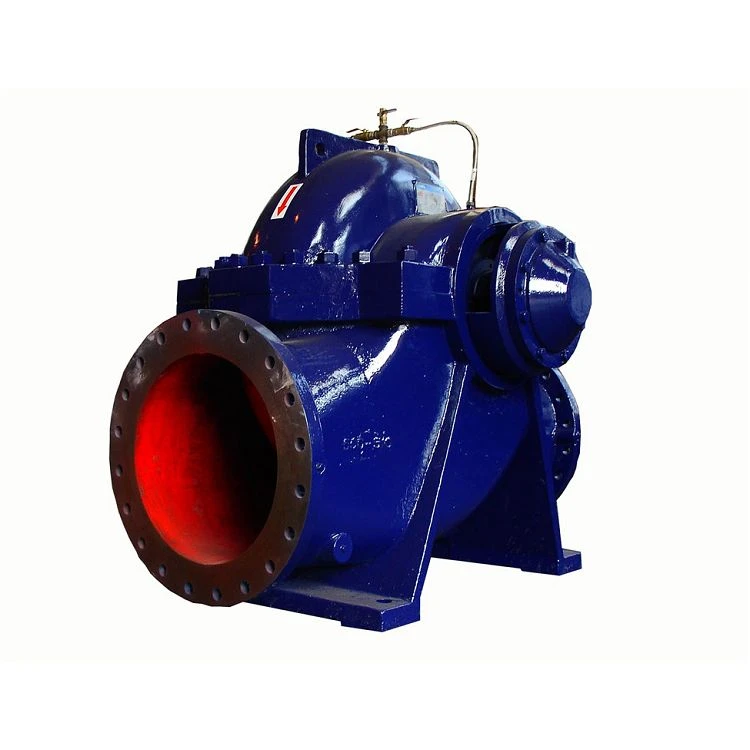
One of our popular products is the Single Stage Double-Suction Centrifugal Pump, which is suitable for applications that require high flow rates and low to medium pressures. This pump features a double-suction impeller that provides balanced axial thrust and reduces the risk of cavitation, making it ideal for pumping slurries with high solid content.
Another product in our portfolio is the Vertical Multistage Pump, which is designed for applications that require high pressures and low flow rates. This pump features multiple stages that are stacked vertically, allowing it to generate high pressures with a relatively small footprint. The vertical design also makes it easy to install and maintain, making it a popular choice for industrial applications.
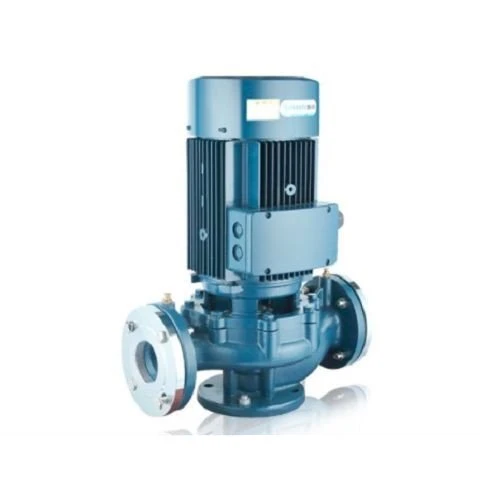
We also offer the Vertical In Line Pump, which is a compact and efficient pump that is suitable for applications where space is limited. This pump features a vertical design that allows it to be installed directly in the pipeline, eliminating the need for additional piping and reducing the overall footprint of the system.
Contact Us for Procurement and Consultation
If you're in the market for a slurry pump and need assistance in selecting the right pressure rating and pump model for your application, we're here to help. Our team of experienced engineers and technicians can provide you with expert advice and guidance based on your specific requirements.
We understand that every application is unique, and we're committed to providing customized solutions that meet your exact needs. Whether you're looking for a pump for a mining operation, a chemical plant, or a wastewater treatment facility, we have the expertise and the products to deliver a reliable and cost-effective solution.
To learn more about our slurry pumps and to discuss your procurement needs, please don't hesitate to contact us. We look forward to the opportunity to work with you and to help you find the perfect slurry pump for your application.
References
- "Slurry Pump Handbook" by Jerry A. Powell
- "Centrifugal Pumps: Design and Application" by Igor J. Karassik
- "Pump Engineering Handbook" by Jack P. Lorenz