Hey there! As a supplier of slurry pumps, I often get asked about how to choose the right motor for a slurry pump. It's a crucial decision because the motor is like the heart of the pump, and getting it wrong can lead to all sorts of headaches down the line. So, let's dive into this topic and break it down into some easy - to - understand steps.
1. Understand the Basics of Slurry Pump Operation
First things first, we need to know what a slurry pump does. A slurry pump is designed to move a mixture of solids and liquids, known as slurry. This can be anything from mining waste to wastewater with high solid content. The pump has to work hard to push this thick and often abrasive mixture through pipes.
The motor provides the power for the pump to do this job. It needs to have enough muscle to turn the impeller, which is the part of the pump that actually moves the slurry. Different types of slurry pumps have different power requirements based on their size, design, and the type of slurry they're handling.
2. Consider the Power Requirements
The power of the motor is measured in horsepower (HP) or kilowatts (kW). To figure out how much power you need, you have to look at a few key factors.
Flow Rate
The flow rate is how much slurry the pump needs to move in a given amount of time, usually measured in gallons per minute (GPM) or cubic meters per hour (m³/h). The higher the flow rate you need, the more power the motor will have to provide. For example, if you're dealing with a large - scale mining operation where you need to move a massive amount of slurry quickly, you'll need a high - powered motor.
Head Pressure
Head pressure is the force needed to push the slurry up and through the pipes. It takes into account the height the slurry needs to be lifted (static head) and the friction in the pipes (friction head). If you're pumping the slurry up a tall building or through a long, narrow pipe, you'll need a motor with enough power to overcome this head pressure.
Slurry Characteristics
The type of slurry also matters a lot. If the slurry has a high solid content or the solids are large and abrasive, the pump will have to work harder. For instance, a slurry with large rocks in it will require more power to move than a slurry with fine sand. You might need a more powerful motor to handle these tough conditions.
You can use some formulas or consult pump performance curves provided by the pump manufacturer to estimate the power requirements. These curves show the relationship between flow rate, head pressure, and power for a specific pump.
3. Evaluate the Motor Type
There are different types of motors available for slurry pumps, and each has its own pros and cons.
AC Motors
AC (alternating current) motors are the most common type used with slurry pumps. They're relatively simple, reliable, and cost - effective. There are two main types of AC motors: single - phase and three - phase.
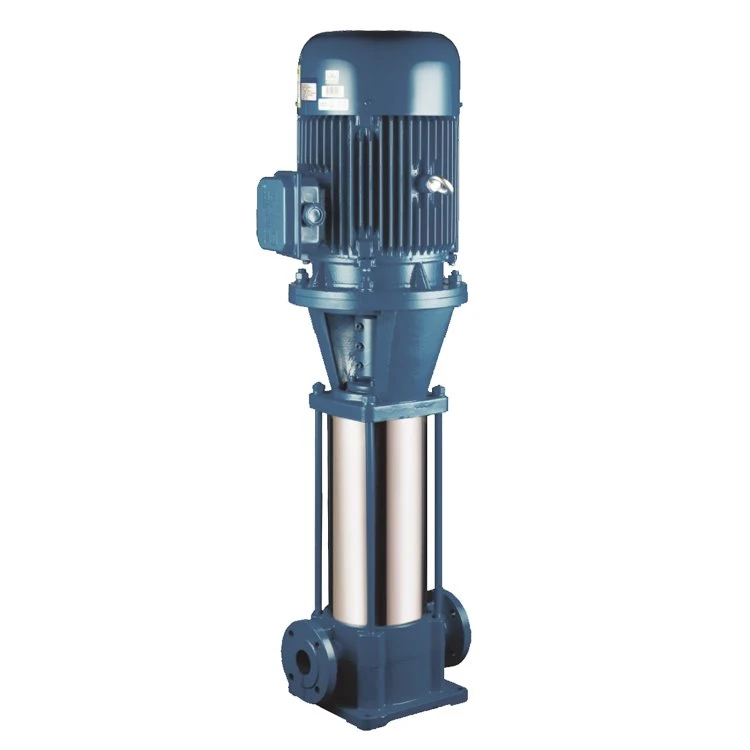
Single - phase motors are typically used for smaller pumps with lower power requirements, like those in small - scale industrial applications or home use. Three - phase motors, on the other hand, are more powerful and efficient. They're commonly used in larger industrial slurry pumps, such as those in Mine Multistage Centrifugal Pump systems.
DC Motors
DC (direct current) motors are less common for slurry pumps but can be used in some special situations. They offer better speed control, which can be useful if you need to adjust the pump's performance precisely. However, they're usually more expensive and require a DC power source, which might not be readily available in all locations.
4. Look at the Motor Efficiency
Motor efficiency is a big deal. An efficient motor will use less electricity to do the same amount of work, which means lower operating costs over time. When you're choosing a motor, look for the efficiency rating. The higher the rating, the better.
A more efficient motor can also run cooler, which extends its lifespan and reduces the risk of breakdowns. You don't want to be constantly replacing motors because they overheat or wear out too quickly.
5. Check the Motor's Duty Cycle
The duty cycle refers to how long the motor can run continuously without overheating. There are different duty cycles, such as continuous (S1), short - time (S2), and intermittent (S3).
For a slurry pump that runs all day, every day, you'll need a motor with a continuous duty cycle (S1). This ensures that the motor can handle the constant workload without burning out. If the pump only runs for short periods, a motor with a shorter duty cycle might be sufficient, which could save you some money.
6. Compatibility with the Pump
The motor has to be compatible with the pump. This includes the shaft size and the coupling type. The shaft of the motor needs to fit properly into the pump's shaft to ensure smooth operation.
You also need to make sure that the motor's speed is compatible with the pump's design. If the motor runs too fast or too slow, it can affect the pump's performance and cause premature wear and tear.
7. Consider the Environmental Conditions
The environment where the slurry pump and motor will be located is important. If the area is hot, humid, or has a lot of dust and dirt, you'll need a motor that can handle these conditions.
For example, in a mining environment where there's a lot of dust, you might need a motor with a dust - proof enclosure. In a humid area, a motor with good moisture resistance is essential.
8. Think About Maintenance and Serviceability
Maintenance is a fact of life when it comes to motors. You want a motor that's easy to maintain and service. Look for motors that have accessible parts and clear maintenance instructions.
It's also a good idea to choose a motor from a reputable manufacturer that offers good customer support. That way, if you run into any problems, you can get help quickly.
9. Cost Considerations
Of course, cost is always a factor. You need to balance the initial cost of the motor with its long - term operating costs. A more expensive, high - efficiency motor might cost more upfront but could save you a lot of money in electricity bills over its lifespan.
Don't just go for the cheapest option, though. A low - quality motor might break down frequently, leading to costly repairs and downtime.
Conclusion
Choosing the right motor for a slurry pump is a complex but important decision. By considering factors like power requirements, motor type, efficiency, duty cycle, compatibility, environmental conditions, maintenance, and cost, you can make an informed choice.
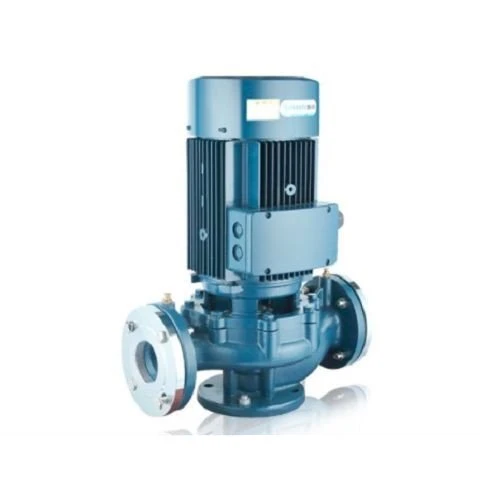
If you're still not sure which motor is right for your slurry pump, don't hesitate to reach out. As a slurry pump supplier, we have the expertise to help you find the perfect motor for your specific needs. Whether you're looking for a motor for a Vertical Multistage Pump or a Vertical In Line Pump, we can guide you through the process.
Contact us today to start the conversation about your slurry pump motor requirements. We're here to make sure you get the best - performing and most cost - effective solution for your operation.
References
- "Pump Handbook" by Igor J. Karassik et al.
- Manufacturer's documentation for various slurry pumps and motors.