Can a Slurry Pump be Used in a Closed - Loop System?
As a supplier of high - quality Slurry Pump, I often encounter questions from customers regarding the applicability of slurry pumps in different systems. One of the frequently asked questions is whether a slurry pump can be used in a closed - loop system. In this blog, I will delve into this topic, exploring the feasibility, advantages, challenges, and considerations when using a slurry pump in a closed - loop system.
Feasibility of Using a Slurry Pump in a Closed - Loop System
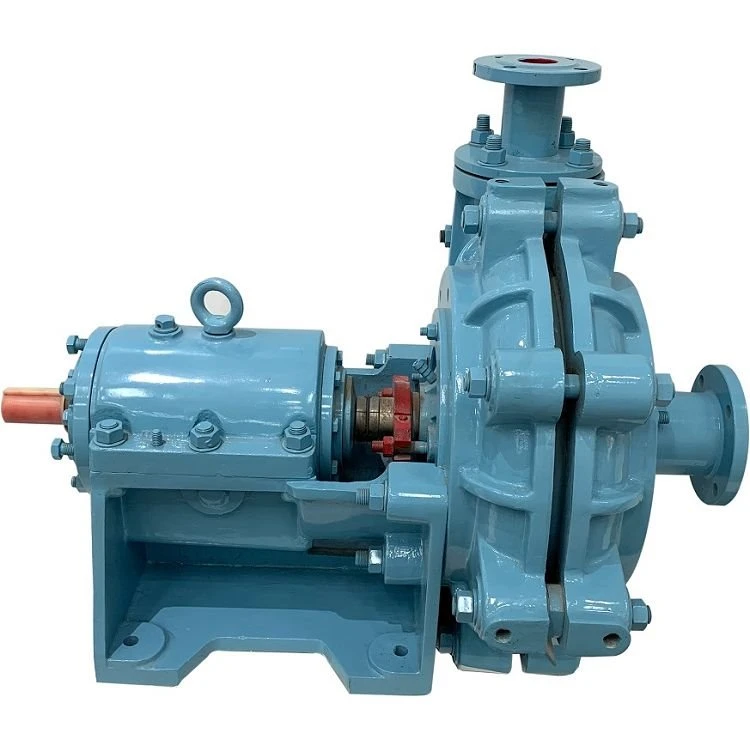
The short answer is yes, a slurry pump can be used in a closed - loop system. A closed - loop system is a system where the fluid being pumped circulates continuously within a defined circuit, with minimal or no exchange of fluid with the external environment. Slurry pumps are designed to handle abrasive and viscous slurries, which are mixtures of solid particles and a liquid, usually water.
In a closed - loop system, the slurry pump can play a crucial role in maintaining the circulation of the slurry. For example, in industrial processes such as mineral processing, where the slurry contains valuable minerals that need to be continuously processed, a closed - loop system with a slurry pump can ensure that the slurry is constantly circulated through various processing units. The pump provides the necessary pressure and flow rate to move the slurry around the loop, allowing for efficient separation, purification, and other processing steps.
Advantages of Using a Slurry Pump in a Closed - Loop System
- Efficient Resource Utilization
- In a closed - loop system, the slurry is recycled, which means that the valuable materials in the slurry are not wasted. The slurry pump keeps the slurry in circulation, allowing for multiple passes through the processing equipment. This increases the recovery rate of valuable minerals or other materials in the slurry. For instance, in a gold mining operation, the closed - loop system with a slurry pump can ensure that the gold particles in the slurry are repeatedly processed to maximize the extraction efficiency.
- Reduced Environmental Impact
- Since the slurry is contained within the closed - loop system, there is less risk of slurry leakage into the environment. This is particularly important in industries where the slurry may contain harmful substances. For example, in the chemical industry, a closed - loop system with a slurry pump can prevent the release of toxic chemicals into the soil or water sources, reducing the environmental pollution.
- Consistent Process Conditions
- The use of a slurry pump in a closed - loop system helps to maintain consistent process conditions. The pump can provide a stable flow rate and pressure, which is essential for the proper functioning of the processing equipment. This consistency leads to more predictable and reliable process results. For example, in a paper manufacturing process, a closed - loop system with a slurry pump can ensure that the pulp slurry is evenly distributed and processed, resulting in high - quality paper products.
Challenges of Using a Slurry Pump in a Closed - Loop System
- Abrasion and Wear
- Slurries are often abrasive due to the presence of solid particles. In a closed - loop system, the continuous circulation of the slurry means that the slurry pump is constantly exposed to abrasion. This can lead to wear and tear of the pump components, such as the impeller, casing, and seals. Over time, the wear can reduce the pump's efficiency and performance, and may even cause the pump to fail. To address this issue, slurry pumps used in closed - loop systems need to be made of highly wear - resistant materials, such as high - chrome alloys.
- Clogging
- The solid particles in the slurry can cause clogging in the pump and the pipeline. In a closed - loop system, if the pump or pipeline becomes clogged, it can disrupt the entire process. This is especially a concern when the slurry contains large or irregularly shaped particles. To prevent clogging, proper filtration and screening systems need to be installed upstream of the pump. Additionally, the design of the pump and pipeline should be optimized to minimize the risk of particle accumulation.
- Corrosion
- Depending on the composition of the slurry, it may be corrosive. In a closed - loop system, the continuous contact between the slurry and the pump components can lead to corrosion. Corrosion can weaken the pump materials and reduce their lifespan. To combat corrosion, the pump needs to be coated with anti - corrosion materials or made of corrosion - resistant alloys.
Considerations for Selecting a Slurry Pump for a Closed - Loop System
- Flow Rate and Pressure Requirements
- The first consideration when selecting a slurry pump for a closed - loop system is the required flow rate and pressure. The pump needs to be able to provide enough flow to circulate the slurry through the entire loop at the desired speed. At the same time, it should generate sufficient pressure to overcome the resistance in the pipeline and the processing equipment. Calculating the flow rate and pressure requirements accurately is crucial for choosing the right pump size and type.
- Material Compatibility
- As mentioned earlier, abrasion and corrosion are major challenges in closed - loop slurry systems. Therefore, the material of the pump components should be compatible with the slurry. For abrasive slurries, high - chrome alloys or rubber - lined pumps are often a good choice. For corrosive slurries, pumps made of stainless steel or other corrosion - resistant materials may be required.
- Pump Design
- The design of the slurry pump also matters. For example, a pump with a large passage design can reduce the risk of clogging. Additionally, the impeller design can affect the pump's efficiency and wear resistance. Some modern slurry pumps are designed with advanced impeller geometries to improve their performance in closed - loop systems.
Related Pump Types for Closed - Loop Systems
In addition to the standard Slurry Pump, other types of pumps can also be considered for closed - loop systems.
- Mine Multistage Centrifugal Pump
- Mine Multistage Centrifugal Pump can be a suitable option for closed - loop systems in mining and other industries. These pumps are designed to provide high - pressure output, which is often required in long - distance slurry transportation within a closed - loop. The multistage design allows for the step - by - step increase of pressure, making it possible to handle high - head applications.
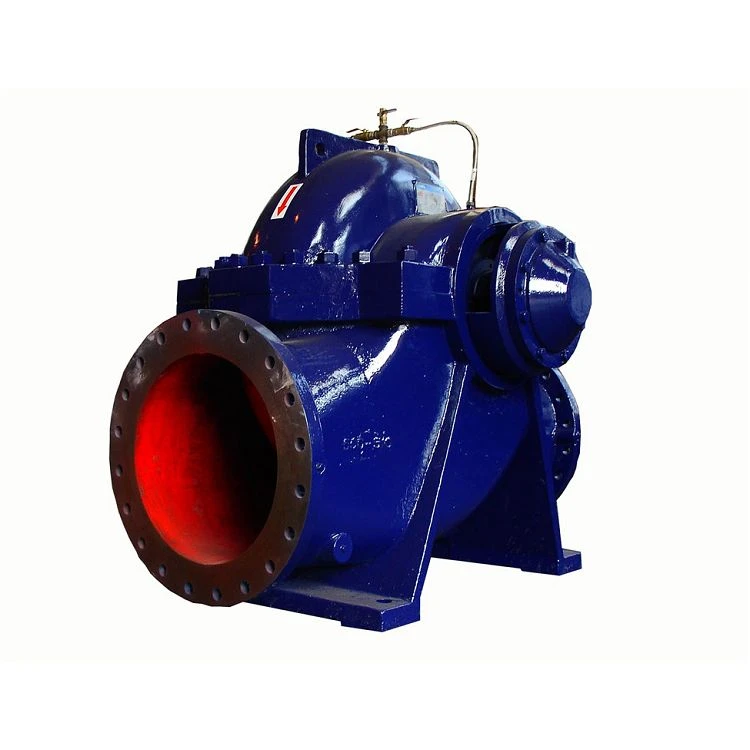
- Single Stage Double - Suction Centrifugal Pump
- The Single Stage Double - Suction Centrifugal Pump is another alternative. This type of pump has a balanced design, which can provide a stable flow rate and is suitable for applications where a large volume of slurry needs to be circulated in the closed - loop system. The double - suction feature helps to reduce the axial thrust on the pump shaft, improving the pump's reliability and lifespan.
Conclusion
In conclusion, a slurry pump can be effectively used in a closed - loop system. It offers several advantages such as efficient resource utilization, reduced environmental impact, and consistent process conditions. However, there are also challenges such as abrasion, clogging, and corrosion that need to be addressed. When selecting a slurry pump for a closed - loop system, factors such as flow rate, pressure requirements, material compatibility, and pump design should be carefully considered. Additionally, other types of pumps like the mine multistage centrifugal pump and single - stage double - suction centrifugal pump can also be viable options depending on the specific requirements of the closed - loop system.
If you are considering implementing a closed - loop system with a slurry pump or need more information about our range of slurry pumps and related products, please feel free to contact us. We are here to provide you with professional advice and high - quality pump solutions to meet your specific industrial needs.
References
- "Centrifugal Pumps for Slurry Handling" by A. R. Thorley
- "Industrial Slurry Transport" by R. N. Gibbins