As a supplier of Ductile Iron Casting, I've dealt with the ins and outs of this industry for quite some time. One of the most crucial aspects we constantly grapple with is controlling the nodularity of graphite in Ductile Iron Casting. Why is it so important? Well, the nodularity of graphite has a huge impact on the mechanical properties of the final product. Higher nodularity generally means better ductility, toughness, and strength. So, let's dive into how we can manage this critical factor.
Understanding the Basics of Graphite Nodularity
Before we start talking about control methods, it's essential to understand what graphite nodularity is. In Ductile Iron, graphite forms in spherical or nodular shapes, which is a stark contrast to the flake-like graphite in gray cast iron. The degree to which these graphite particles are spherical is what we call nodularity. A high nodularity percentage (ideally close to 100%) indicates that most of the graphite is in a perfect spherical form, which is highly desirable for the performance of the casting.
Factors Affecting Graphite Nodularity
There are several factors that can influence the nodularity of graphite in Ductile Iron Casting. Let's take a look at some of the most significant ones.
Chemical Composition
The chemical composition of the molten iron is perhaps the most critical factor. Elements like magnesium, cerium, and calcium play a vital role in promoting graphite nodularity. Magnesium, in particular, is a key element. It reacts with sulfur and oxygen in the molten iron, forming compounds that float to the surface as slag. This not only removes harmful impurities but also helps in the formation of graphite nodules. However, too much magnesium can lead to the formation of other unwanted phases, so it's important to maintain the right balance.
Cooling Rate
The cooling rate of the casting also has a significant impact on graphite nodularity. A slow cooling rate allows more time for the graphite to form into nodules. On the other hand, a very fast cooling rate can result in the formation of non - nodular graphite. We need to find the sweet spot where the cooling rate is neither too fast nor too slow. This can be achieved through proper mold design and the use of insulating materials.
Inoculation
Inoculation is the process of adding small amounts of certain materials to the molten iron to promote the formation of graphite nuclei. These nuclei act as the starting points for the growth of graphite nodules. Common inoculants include ferrosilicon alloys with elements like barium, strontium, and calcium. The type and amount of inoculant used can greatly affect the nodularity and the overall quality of the casting.
Controlling Graphite Nodularity
Now that we know the factors affecting graphite nodularity, let's discuss some practical ways to control it.
Precise Chemical Analysis and Alloying
We always start by conducting a precise chemical analysis of the raw materials. This helps us determine the exact amount of alloying elements, especially magnesium, that need to be added. We use advanced analytical equipment to ensure the accuracy of the analysis. Once we have the results, we carefully calculate and add the required amount of alloys to the molten iron. This step - by - step approach helps us maintain the right chemical composition for optimal nodularity.
Optimizing the Cooling Process
To control the cooling rate, we focus on mold design. We use computer - aided design (CAD) software to simulate the cooling process and make adjustments to the mold geometry and the use of insulating materials. For example, we might add thicker sections of insulating material in areas where we want a slower cooling rate. We also monitor the temperature during the casting process to ensure that the cooling rate stays within the desired range.
Effective Inoculation Techniques
When it comes to inoculation, we experiment with different types and amounts of inoculants. We conduct trials to find the combination that works best for a particular casting. We also pay attention to the timing of inoculation. Adding the inoculant at the right moment, just before pouring the molten iron into the mold, can significantly improve the nodularity.
Real - World Applications
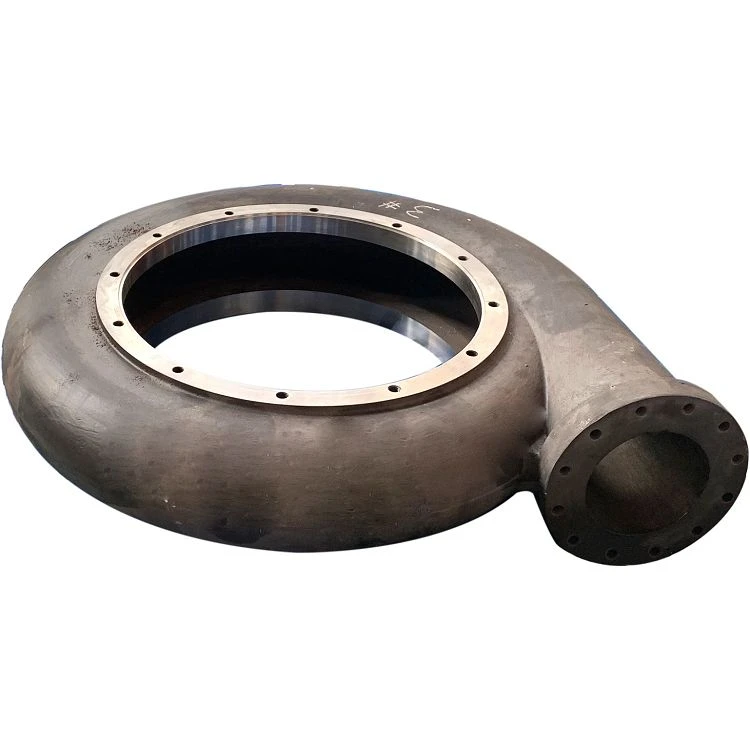
The ability to control graphite nodularity has a direct impact on the quality of our products. We supply Ductile Iron Castings for a wide range of applications, including Wear Resistant Pump Parts. In these parts, high nodularity is essential for ensuring good wear resistance and long - term performance.
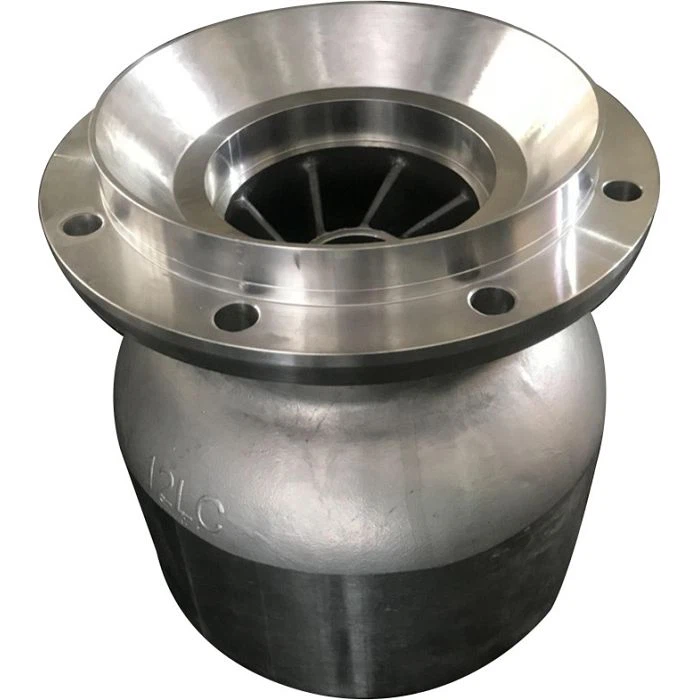
We also produce Cast Iron Casting and Stainless Steel Pump Casting. In each case, controlling the nodularity of graphite in the Ductile Iron components is crucial for meeting the specific requirements of the application.
Conclusion
Controlling the nodularity of graphite in Ductile Iron Casting is a complex but achievable task. By understanding the factors that affect nodularity and implementing effective control methods, we can produce high - quality castings that meet the demanding requirements of our customers.
If you're in the market for Ductile Iron Castings or have any questions about our products, don't hesitate to reach out. We're always ready to have a discussion about your specific needs and how we can provide the best solutions for you.
References
- Campbell, J. (2003). Castings. Butterworth - Heinemann.
- Krauss, G. (1990). Steels: Heat Treatment and Processing Principles. ASM International.
- Totten, G. E., & MacKenzie, D. S. (2003). Handbook of Aluminum and Aluminum Alloys: Processes, Performance, and Applications. CRC Press.