Hey there! As a supplier of sea water pumps, I often get asked about the materials used for the shaft in these pumps. It's a crucial component that plays a significant role in the pump's performance and durability. So, let's dive right into it and explore what materials are commonly used for the shaft in a sea water pump.
First off, sea water is a harsh environment. It's highly corrosive due to the presence of salts, minerals, and various dissolved gases. This means that the shaft material needs to be able to withstand corrosion, abrasion, and mechanical stress. One of the most popular materials for sea water pump shafts is stainless steel.
Stainless steel is a go - to choice for many reasons. It has excellent corrosion resistance, which is essential when dealing with sea water. There are different grades of stainless steel, and for sea water applications, grades like 316 and 316L are frequently used. 316 stainless steel contains molybdenum, which enhances its resistance to pitting and crevice corrosion in chloride - rich environments like sea water. The "L" in 316L stands for low carbon, which reduces the risk of carbide precipitation during welding, making it a great option for welded components in the pump.
Another advantage of stainless steel shafts is their strength. They can handle the mechanical loads associated with the rotation of the pump impeller and the flow of sea water. Stainless steel shafts are also relatively easy to machine, which allows for precise manufacturing to meet the specific requirements of the pump design.
But stainless steel isn't the only option out there. Duplex stainless steel is also gaining popularity in sea water pump applications. Duplex stainless steel has a two - phase microstructure, consisting of both austenite and ferrite. This gives it a combination of high strength and excellent corrosion resistance. It's particularly good at resisting stress - corrosion cracking, which can be a major problem in sea water environments. Compared to regular stainless steel, duplex stainless steel can offer better performance in terms of both corrosion resistance and mechanical properties, although it might be a bit more expensive.
In some cases, titanium is used for the shaft in high - end sea water pumps. Titanium is extremely corrosion - resistant, even in the most aggressive sea water conditions. It has a high strength - to - weight ratio, which means that titanium shafts can be lighter than their stainless steel counterparts while still providing sufficient strength. However, titanium is a costly material, and its machining can be more challenging. So, it's usually reserved for applications where the benefits of its superior corrosion resistance and light weight justify the higher cost.
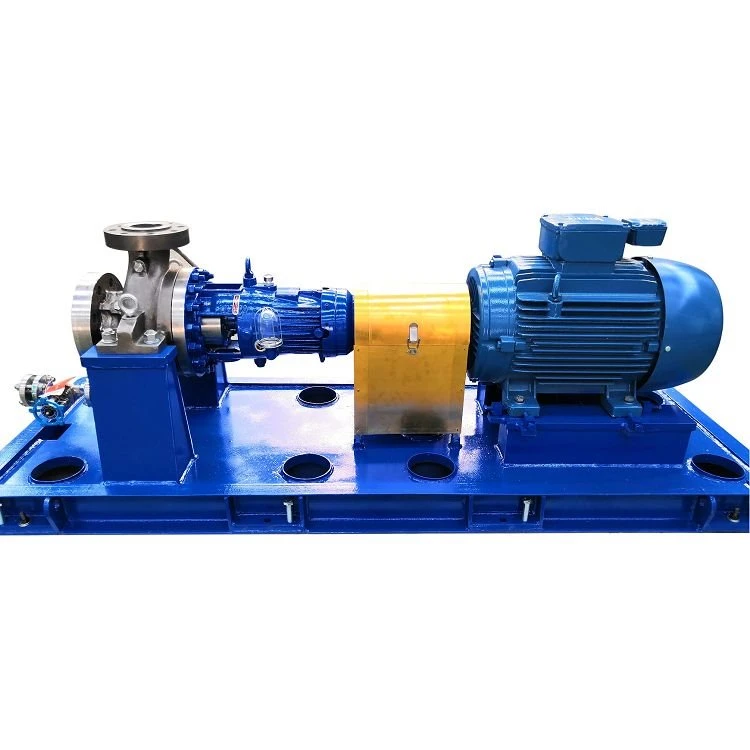
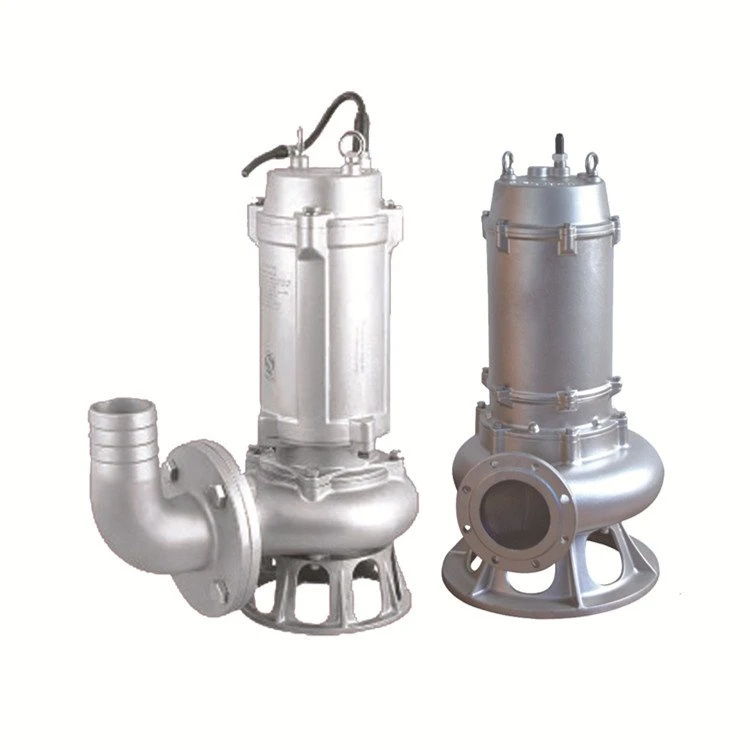
Now, let's talk about how the choice of shaft material affects the different types of sea water pumps. We offer both Centrifugal Sea Water Pump and Submersible Sea Water Pump.
In a centrifugal sea water pump, the shaft is responsible for transmitting the power from the motor to the impeller. The impeller rotates at high speeds, creating a centrifugal force that moves the sea water through the pump. A high - quality shaft material is essential to ensure smooth and efficient operation. Stainless steel or duplex stainless steel shafts are commonly used in centrifugal sea water pumps because they can handle the rotational forces and resist corrosion from the sea water flowing through the pump.
For submersible sea water pumps, the shaft has to work in an even more challenging environment. Since the pump is submerged in sea water, the shaft is constantly in contact with the corrosive fluid. The shaft also needs to be able to withstand the pressure and vibrations associated with being underwater. Titanium shafts might be a great option for submersible pumps in extremely corrosive or high - stress applications, but stainless steel and duplex stainless steel are still widely used due to their cost - effectiveness and good performance.
When it comes to maintaining the shaft in a sea water pump, the choice of material also matters. Stainless steel shafts are relatively easy to maintain. Regular inspections for signs of corrosion or wear are usually sufficient. If there is minor corrosion, it can often be cleaned and treated to prevent further damage. Duplex stainless steel shafts also require similar maintenance, but because of their better corrosion resistance, they might need less frequent attention. Titanium shafts, on the other hand, are very low - maintenance due to their excellent corrosion resistance, but any damage to the surface can be more difficult and expensive to repair.
In addition to the material itself, the surface finish of the shaft can also affect its performance in sea water. A smooth surface finish can reduce the risk of corrosion and fouling. Special coatings can also be applied to the shaft to enhance its corrosion resistance. For example, some shafts are coated with a ceramic or polymer coating that provides an extra layer of protection against the corrosive effects of sea water.
So, as you can see, the choice of shaft material in a sea water pump is a critical decision that depends on various factors such as the type of pump, the operating environment, and the budget. Whether you're looking for a reliable and cost - effective solution or a high - performance option for a demanding application, we can help you choose the right sea water pump with the appropriate shaft material.
If you're in the market for a sea water pump and have questions about the shaft material or any other aspect of our products, don't hesitate to reach out. We're here to assist you in finding the perfect pump for your needs. Let's have a chat and see how we can work together to get your sea water pumping requirements sorted.
References
- ASM Handbook Volume 13A: Corrosion: Fundamentals, Testing, and Protection
- Pump Handbook, by Igor Karassik et al.