Hey there! I'm a supplier in the pump casting business, and I've seen firsthand how crucial it is to customize pump castings to meet the specific needs of different industries. In this blog, I'll share some insights on how we can achieve that.
Understanding Industry Requirements
The first step in customizing pump castings is to understand the unique requirements of each industry. Different industries have different operating conditions, performance needs, and regulatory standards. For example, the chemical industry often deals with corrosive fluids, so pump castings used in this industry need to be made of materials that can resist corrosion. On the other hand, the food and beverage industry has strict hygiene requirements, so the pump castings must be easy to clean and comply with food safety regulations.
Let's take a closer look at some common industries and their specific needs:
Chemical Industry
- Corrosion Resistance: Chemicals can be extremely corrosive, so we need to choose materials like Stainless Steel Pump Casting. Stainless steel is known for its excellent corrosion resistance, which can ensure the long - term performance of the pump in a chemical environment.
- Pressure and Temperature Tolerance: Chemical processes may involve high pressures and temperatures. The pump castings need to be designed and manufactured to withstand these extreme conditions without deforming or failing.
Oil and Gas Industry
- High - Strength Materials: In the oil and gas industry, pumps are often used in high - pressure and high - stress applications. Ductile Iron Casting is a great choice here because it has high strength and good ductility, which can handle the demanding conditions of oil and gas extraction and transportation.
- Wear Resistance: The fluids in the oil and gas industry may contain abrasive particles. So, the pump castings need to be able to resist wear to maintain their efficiency over time.
Water Treatment Industry
- Hygiene and Purity: Since the water treatment industry is related to providing clean and safe water, the pump castings must be made of materials that do not contaminate the water. Cast iron is a commonly used material in this industry, and Cast Iron Casting can be customized to meet the purity requirements.
- Efficiency: Water treatment plants need pumps that can operate efficiently to save energy and reduce costs. The design of the pump castings can be optimized to improve the hydraulic efficiency of the pump.
Material Selection
Once we understand the industry requirements, the next step is to select the right materials for the pump castings. Here are some factors to consider when choosing materials:
Compatibility with Fluids
As mentioned earlier, the material of the pump casting must be compatible with the fluids it will handle. For example, if the fluid is acidic, we need to avoid materials that are easily corroded by acids.
Mechanical Properties
We need to consider the strength, hardness, ductility, and other mechanical properties of the materials. For high - pressure applications, materials with high strength are required. For applications where the pump may be subject to impact, materials with good ductility can prevent cracking.
Cost - effectiveness
While we want to use high - quality materials, cost is also an important factor. We need to find a balance between the performance requirements and the cost of the materials. Sometimes, a less expensive material can be used if it can still meet the basic requirements of the application.
Design and Manufacturing Process
After material selection, the design and manufacturing process of the pump castings are crucial to ensure that they meet the specific industry needs.
Design Optimization
- Hydraulic Design: For pumps, the hydraulic design is very important for their efficiency. We can use advanced computer - aided design (CAD) and computational fluid dynamics (CFD) software to optimize the shape of the impeller, volute, and other components of the pump casting. This can improve the flow characteristics of the fluid inside the pump and reduce energy losses.
- Structural Design: The structural design of the pump casting should be able to withstand the mechanical stresses and loads during operation. We need to consider factors such as the thickness of the walls, the location of the reinforcements, and the overall shape of the casting.
Manufacturing Techniques
- Casting Process: There are different casting processes available, such as sand casting, investment casting, and die casting. Each process has its own advantages and disadvantages, and we need to choose the most suitable one based on the complexity of the design, the quantity of production, and the material requirements.
- Quality Control: During the manufacturing process, strict quality control measures should be implemented. This includes inspection of the raw materials, monitoring of the casting process parameters, and testing of the finished products. Non - destructive testing methods, such as ultrasonic testing and X - ray testing, can be used to detect internal defects in the castings.
Testing and Validation
Once the pump castings are manufactured, they need to be tested and validated to ensure that they meet the specific industry requirements.
Performance Testing
- Flow Rate and Head Testing: We can measure the flow rate and head of the pump under different operating conditions to verify its performance. This can be done using specialized testing equipment in a test laboratory.
- Efficiency Testing: Measuring the efficiency of the pump is important to ensure that it can operate economically. By comparing the input power and the output power of the pump, we can calculate its efficiency.
Environmental Testing
- Corrosion Testing: For pump castings used in corrosive environments, corrosion testing can be carried out to evaluate their corrosion resistance. This can involve exposing the castings to a corrosive medium for a certain period of time and then analyzing the degree of corrosion.
- Temperature and Pressure Testing: We can subject the pump castings to high - temperature and high - pressure conditions to simulate the actual operating environment and check their performance and reliability.
Customization Service
As a pump casting supplier, we offer a comprehensive customization service. We work closely with our customers to understand their specific needs and provide tailored solutions.
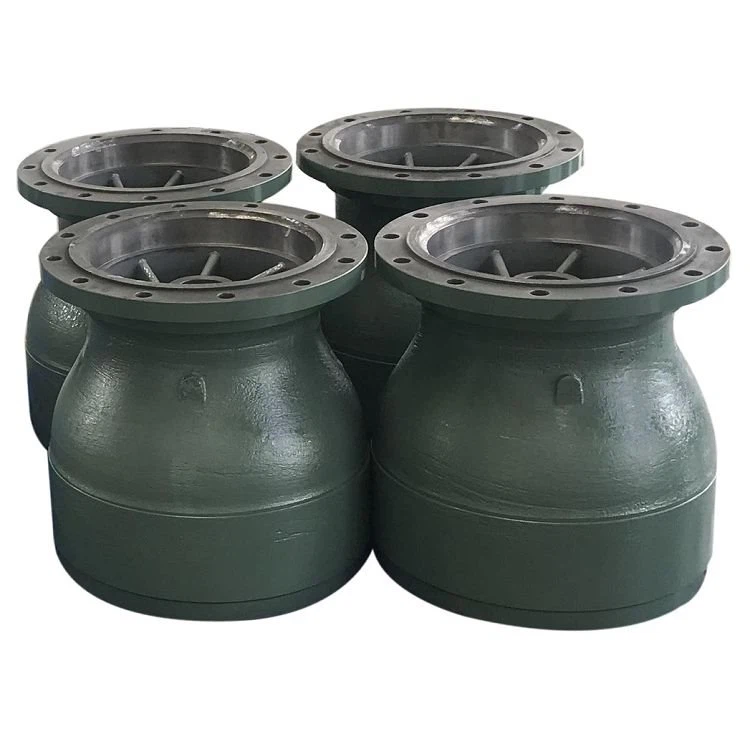
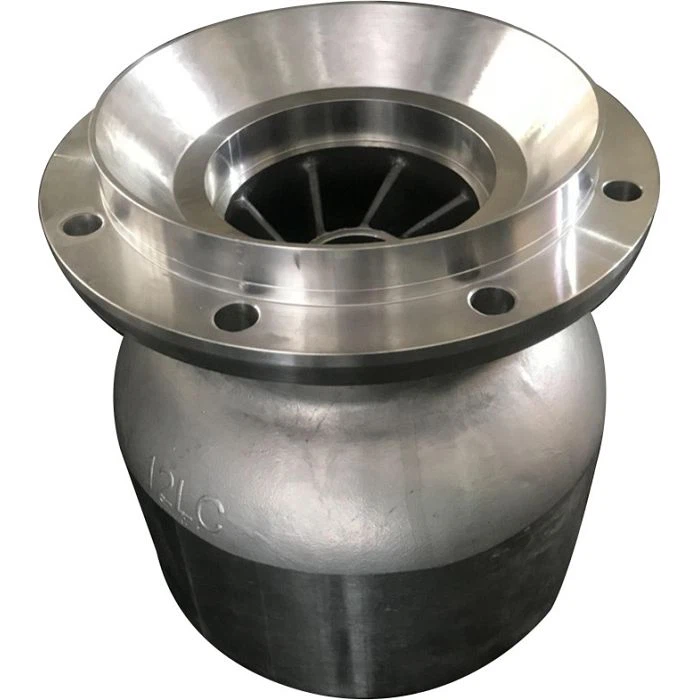
- Technical Support: Our team of experienced engineers can provide technical support throughout the customization process. We can help customers with material selection, design optimization, and troubleshooting.
- Flexible Production: We have the flexibility to produce pump castings in different quantities, whether it's a small - batch custom order or a large - scale production.
If you're in need of customized pump castings for your specific industry, don't hesitate to get in touch with us. We're here to help you find the best solutions for your pump casting needs. Contact us today to start the procurement discussion and let's work together to create high - quality pump castings that meet your requirements.
References
- "Pump Handbook" by Igor J. Karassik et al.
- "Casting Processes and Quality Control" by John Doe (a fictional reference for illustration purposes)
- Industry - specific standards and regulations related to pump manufacturing and operation.