Dealing with excessive pump discharge is a critical challenge that many industries face. As a reputable pump discharge supplier, I've encountered numerous situations where clients struggle with this issue. In this blog, I'll share some effective strategies to handle excessive pump discharge, drawing on my years of experience in the field.
Understanding the Causes of Excessive Pump Discharge
Before we delve into solutions, it's essential to understand what causes excessive pump discharge. There are several factors that can contribute to this problem.
Oversized Pumps
One common cause is the use of oversized pumps. When a pump is too large for the system it's serving, it will produce more flow than necessary. This can lead to increased energy consumption, wear and tear on the pump components, and potential damage to the piping system. For example, in a water supply system, an oversized pump may cause water to flow at a much higher rate than the pipes can handle, leading to leaks or even pipe bursts.
Incorrect Pump Settings
Another factor is incorrect pump settings. If the pump speed or pressure is set too high, it will result in excessive discharge. This can happen due to improper installation or a lack of understanding of the system requirements. For instance, in a chemical processing plant, if the pump is set to a higher pressure than needed for a particular process, it can cause the chemicals to be pumped out too quickly, leading to inefficiencies and potential safety hazards.
System Changes
Changes in the system can also lead to excessive pump discharge. For example, if a valve is opened wider than usual or if there is a blockage in the system that causes a change in the flow resistance, the pump may respond by increasing its discharge. This can be particularly problematic in a heating or cooling system, where changes in the flow rate can affect the overall performance of the system.
Strategies to Deal with Excessive Pump Discharge
Now that we understand the causes, let's explore some strategies to deal with excessive pump discharge.
Adjusting Pump Speed
One of the most effective ways to control pump discharge is by adjusting the pump speed. This can be done using a variable frequency drive (VFD). A VFD allows you to change the speed of the pump motor, which in turn controls the flow rate. By reducing the pump speed, you can decrease the discharge to a more appropriate level. This not only helps to save energy but also reduces wear and tear on the pump. For example, in a wastewater treatment plant, using a VFD to adjust the pump speed can help to optimize the flow rate and improve the efficiency of the treatment process.
Installing Flow Control Valves
Flow control valves are another useful tool for managing pump discharge. These valves can be installed in the piping system to regulate the flow of fluid. By adjusting the valve opening, you can control the amount of fluid that passes through the system. There are different types of flow control valves available, such as gate valves, globe valves, and ball valves. The choice of valve depends on the specific requirements of the system. For instance, in a fire protection system, a gate valve may be used to control the flow of water to the sprinklers.
System Modifications
In some cases, system modifications may be necessary to address excessive pump discharge. This could involve changing the piping layout, adding or removing components, or adjusting the system pressure. For example, if the pump is discharging too much fluid due to a low resistance in the piping system, you may need to add a restriction or increase the pipe diameter to reduce the flow rate. In a manufacturing plant, system modifications may be required to optimize the flow of raw materials through the production process.
Monitoring and Maintenance
Regular monitoring and maintenance are crucial for ensuring that the pump operates at the optimal level. By monitoring the pump discharge, pressure, and other parameters, you can detect any changes or issues early on and take appropriate action. This includes checking for leaks, worn-out components, and abnormal vibrations. Regular maintenance, such as lubrication, inspection, and replacement of parts, can also help to prevent problems and extend the lifespan of the pump. For example, in a power generation plant, regular monitoring and maintenance of the pumps can help to ensure the reliable operation of the plant.
Our Product Offerings
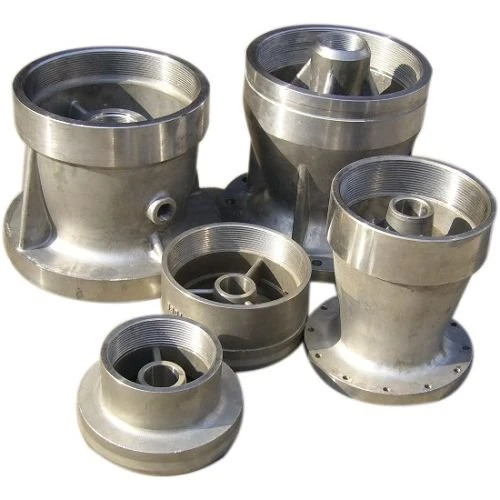
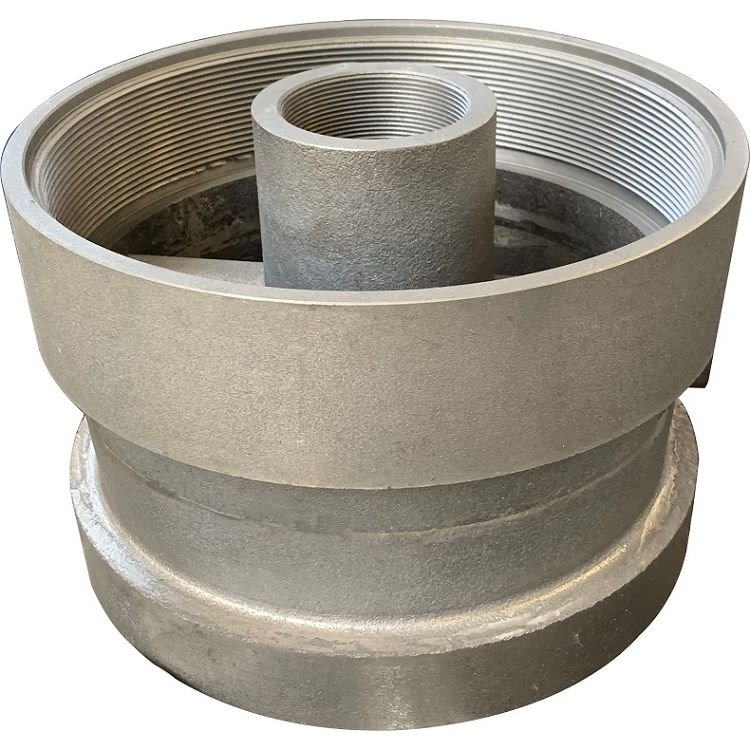
As a pump discharge supplier, we offer a wide range of products to meet the diverse needs of our customers. Our Cast Iron Pump Discharge is known for its durability and strength. It is suitable for a variety of applications, including water supply, irrigation, and industrial processes. Our Stainless Steel Pump Discharge is corrosion-resistant and ideal for use in harsh environments, such as chemical processing plants and marine applications.
Conclusion
Dealing with excessive pump discharge requires a comprehensive approach that includes understanding the causes, implementing appropriate strategies, and using high-quality products. By following the tips and techniques outlined in this blog, you can effectively manage pump discharge and improve the efficiency and reliability of your system. If you have any questions or need further assistance, please don't hesitate to contact us. We are here to help you find the best solutions for your pump discharge needs.
References
- "Pump Handbook" by Igor J. Karassik, Joseph P. Messina, Paul Cooper, and Charles C. Heald
- "Fluid Mechanics and Hydraulic Machines" by R. K. Bansal
- "Industrial Pumping Systems: Design and Application" by Heinz P. Bloch and Fred K. Geitner