What is the head range of a slurry pump?
As a supplier of slurry pumps, I often encounter customers who are curious about the head range of these essential industrial machines. Understanding the head range of a slurry pump is crucial for ensuring its proper application in various industries, from mining to dredging. In this blog post, I'll delve into what the head range of a slurry pump is, how it's determined, and why it matters.
Defining Head in the Context of Slurry Pumps
Before we discuss the head range, it's important to understand what "head" means in the context of pumps. Head refers to the height to which a pump can raise a fluid, typically measured in meters or feet. It's a measure of the energy that the pump imparts to the fluid, which overcomes the forces of gravity, friction, and other resistances in the piping system.
In the case of slurry pumps, the head is particularly important because slurries - mixtures of solids and liquids - are more challenging to pump than clear liquids. The presence of solids increases the density and viscosity of the fluid, which in turn affects the pump's performance.
Factors Affecting the Head Range of a Slurry Pump
Several factors influence the head range of a slurry pump:
Pump Design
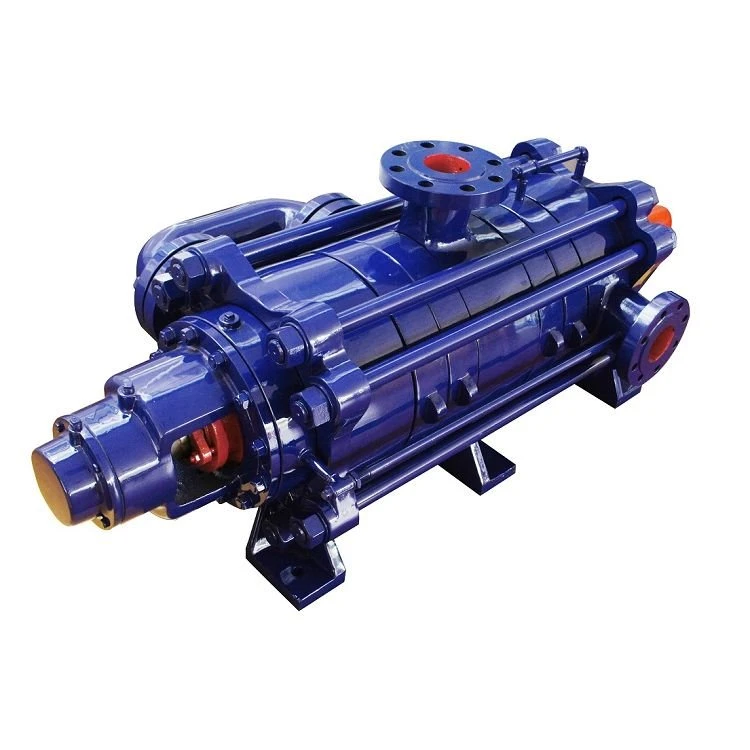
The design of the pump, including the impeller type, size, and number of stages, plays a significant role in determining the head range. Centrifugal slurry pumps, which are the most common type, use an impeller to impart kinetic energy to the slurry. A larger impeller or a multi - stage pump can generally achieve a higher head. For example, our Mine Multistage Centrifugal Pump is designed with multiple stages to provide a higher head, making it suitable for deep - well mining applications where the slurry needs to be pumped over long vertical distances.
Slurry Properties
The properties of the slurry, such as the solid concentration, particle size, and density, also affect the head range. Higher solid concentrations and larger particle sizes increase the resistance to flow, reducing the pump's ability to generate head. For instance, a slurry with a high percentage of large, dense particles will require more energy to pump compared to a slurry with a lower solid concentration and smaller particles.
Flow Rate
The flow rate of the slurry through the pump is inversely related to the head. As the flow rate increases, the head that the pump can generate decreases. This relationship is described by the pump's performance curve, which shows how the head varies with the flow rate at a given speed.
Typical Head Ranges of Slurry Pumps
The head range of slurry pumps can vary widely depending on the application and pump design. Generally, single - stage slurry pumps can achieve heads ranging from a few meters to around 50 meters. These pumps are suitable for applications where the vertical lift or the resistance in the piping system is relatively low, such as in some small - scale mining operations or simple slurry transfer processes.
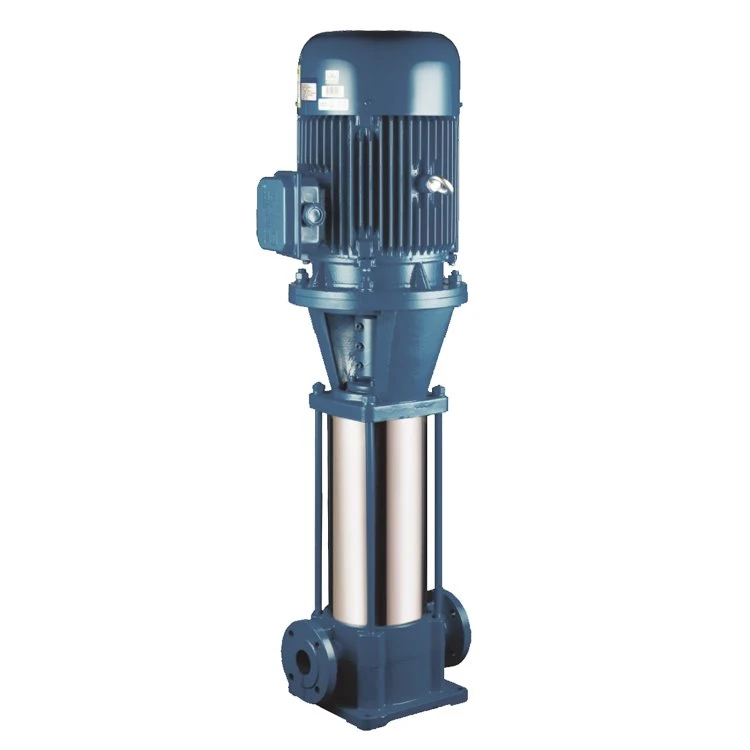
Multi - stage slurry pumps, on the other hand, can achieve much higher heads. Our Vertical Multistage Pump can provide heads of up to several hundred meters, making it ideal for applications such as deep - sea dredging or high - pressure slurry injection.
Importance of Choosing the Right Head Range
Selecting a slurry pump with the appropriate head range is essential for several reasons:
Efficiency
Using a pump with the correct head range ensures that the pump operates at its optimal efficiency. If the head is too low, the pump may not be able to deliver the slurry to the desired height or overcome the resistance in the piping system. On the other hand, if the head is too high, the pump will consume more energy than necessary, leading to higher operating costs.
Equipment Lifespan
Operating a pump outside its recommended head range can also reduce the lifespan of the pump. Excessive head can cause increased wear and tear on the impeller, casing, and other components, leading to premature failure. By choosing a pump with the right head range, you can extend the life of the equipment and reduce maintenance costs.
Process Performance
In industrial processes, the proper head range is crucial for maintaining the quality and consistency of the process. For example, in a mining operation, if the slurry pump does not provide enough head, the slurry may not be transported efficiently, leading to blockages in the pipeline and reduced production rates.
How to Determine the Right Head Range for Your Application
To determine the right head range for your application, you need to consider the following steps:
Calculate the Total Dynamic Head (TDH)
The TDH is the sum of the static head (the vertical distance the slurry needs to be pumped) and the friction head (the resistance in the piping system). You can use engineering formulas and tables to calculate the friction head based on the pipe diameter, length, and flow rate.
Consider the Slurry Properties
As mentioned earlier, the properties of the slurry, such as solid concentration and particle size, can affect the pump's performance. You may need to conduct tests or consult with a pump expert to account for these factors.
Select the Appropriate Pump
Based on the calculated TDH and the slurry properties, you can select a slurry pump with the appropriate head range. Our Slurry Pump product range offers a variety of options to meet different head requirements.
Conclusion
In conclusion, the head range of a slurry pump is a critical parameter that determines its suitability for different applications. By understanding the factors that affect the head range, typical head ranges, and the importance of choosing the right head range, you can make an informed decision when selecting a slurry pump for your industrial process.
If you're in the market for a slurry pump and need help determining the right head range for your application, don't hesitate to reach out to us. Our team of experts is ready to assist you in finding the perfect solution for your slurry pumping needs.
References
- "Pump Handbook" by Igor J. Karassik et al.
- "Centrifugal Pumps: Design and Application" by Heinz P. Bloch and Allan R. Budris.