Hey there! As a supplier of Pump Suction, I've seen my fair share of pump wear in the suction area. It's a common issue that can lead to all sorts of problems if not detected and addressed early. In this blog, I'm gonna share some tips on how you can spot and deal with pump wear in the suction area.
Why Detecting Pump Wear in the Suction Area is a Big Deal
First off, let's talk about why it's so important to keep an eye on the suction area of your pumps. The suction area is where the fluid enters the pump, and it's under a lot of stress. Wear in this area can cause a drop in pump efficiency. When the pump isn't working at its best, it has to work harder to move the same amount of fluid, which means higher energy costs.
Moreover, excessive wear can lead to leaks. If the pump starts leaking, it can contaminate the surrounding environment and also result in a loss of the fluid being pumped. In some industries, like chemical or food processing, this can be a huge safety and quality concern. And let's not forget about the downtime. If the pump fails due to wear in the suction area, you'll have to shut down your operations to repair or replace it, which can cost you a fortune in lost production.
How to Detect Pump Wear in the Suction Area
Visual Inspection
One of the simplest ways to detect wear is through a visual inspection. You don't need any fancy equipment for this. Just take a good look at the suction area. Check for signs of corrosion, erosion, or physical damage. Corrosion can make the surface of the pump suction look pitted or discolored. Erosion, on the other hand, might show up as smooth, worn - out areas, especially if the fluid being pumped contains abrasive particles.
If you notice any cracks or holes in the suction area, that's a clear sign of wear. You can also look for signs of leakage around the joints and connections in the suction area. A small drip might seem harmless at first, but it could be a sign of more serious wear inside the pump.
Performance Monitoring
Another effective way to detect wear is by monitoring the pump's performance. Keep an eye on the flow rate, pressure, and power consumption of the pump. If the flow rate starts to decrease while the power consumption stays the same or increases, it could be a sign of wear in the suction area. A worn - out suction area might not be able to draw in the fluid as efficiently as it should, leading to a drop in flow.
You can also monitor the pressure at the suction side of the pump. A significant drop in suction pressure could indicate that the pump is having trouble pulling in the fluid, which might be due to wear. Many modern pumps come with sensors that can provide real - time data on these performance parameters. If you don't have sensors, you can use manual gauges to take regular readings.
Vibration Analysis
Vibration analysis is a more advanced method of detecting wear. Pumps that are in good condition usually vibrate within a certain range. When there's wear in the suction area, it can cause the pump to vibrate more than normal. You can use a vibration meter to measure the vibration levels of the pump. If you notice a sudden increase in vibration, it could be a sign of wear or other mechanical problems in the suction area.
Addressing Pump Wear in the Suction Area
Minor Wear
If the wear in the suction area is minor, you might be able to address it through simple maintenance. For example, if there's a small amount of corrosion, you can clean the surface of the pump suction using a suitable cleaning agent. Make sure to follow the manufacturer's instructions when using cleaning agents to avoid damaging the pump.
You can also apply a protective coating to the suction area to prevent further corrosion. There are many types of coatings available, such as epoxy coatings, that can provide a barrier between the pump surface and the corrosive fluid. Just make sure to choose a coating that is compatible with the fluid being pumped.
Moderate Wear
For moderate wear, you might need to replace some of the components in the suction area. If the wear is limited to the impeller or the suction liner, you can replace these parts individually. When replacing components, make sure to use high - quality parts that are compatible with your pump.
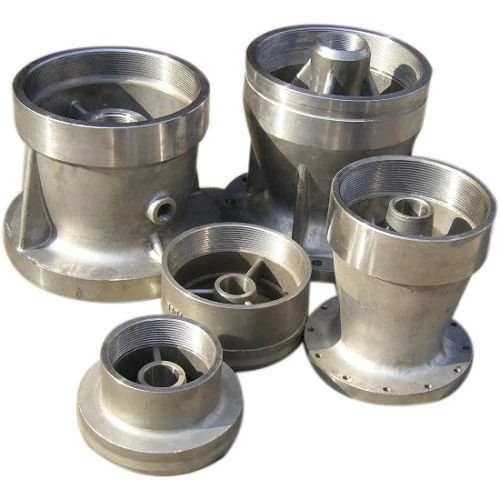
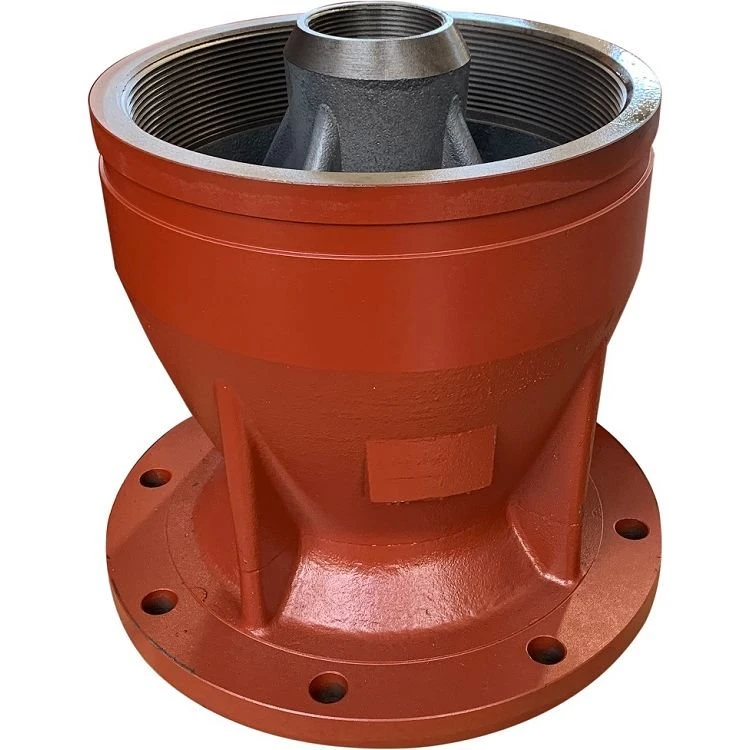
We offer a wide range of Cast Iron Pump Suction and Stainless Steel Pump Suction that are designed to fit different types of pumps. Our parts are made from high - quality materials and are built to last, so you can be confident that they'll help restore your pump's performance.
Severe Wear
In cases of severe wear, you might have to replace the entire pump suction assembly. This is a more expensive and time - consuming solution, but it's sometimes necessary to ensure the long - term reliability of your pump. When replacing the entire assembly, it's important to have it installed by a professional to make sure it's done correctly.
Preventing Future Pump Wear in the Suction Area
Fluid Quality
One of the best ways to prevent wear is to ensure the quality of the fluid being pumped. If the fluid contains a lot of abrasive particles, you can use a filtration system to remove these particles before they enter the pump. This can significantly reduce the amount of erosion in the suction area.
You also need to make sure that the fluid is compatible with the materials of the pump suction. For example, if you're pumping a corrosive fluid, you should use a pump suction made from a material that can resist corrosion, like stainless steel.
Regular Maintenance
Regular maintenance is key to preventing pump wear. Schedule routine inspections and maintenance tasks, such as lubrication, cleaning, and component replacement. Follow the manufacturer's recommended maintenance schedule to keep your pump in top condition.
Time to Take Action
If you're dealing with pump wear in the suction area or want to prevent it from happening in the first place, we're here to help. As a leading Pump Suction supplier, we have the expertise and the products to meet your needs. Whether you need a simple replacement part or a complete pump suction assembly, we've got you covered.
Don't let pump wear cost you money and downtime. Contact us today to discuss your requirements and find the best solutions for your pumps. We're ready to work with you to keep your pumps running smoothly.
References
- "Pump Handbook" by Igor Karassik et al.
- "Centrifugal Pumps: Design and Application" by Heinz P. Bloch and Allan R. Budris.