As a supplier of centrifugal pumps, I've seen firsthand how valves can significantly impact the performance of these workhorses in various industrial and commercial settings. In this blog, I'll break down the different effects valves have on centrifugal pump performance, so you can make informed decisions when it comes to your pumping systems.
Flow Control
One of the most obvious effects of valves on a centrifugal pump is flow control. Valves act as gatekeepers, regulating the amount of fluid that passes through the pump. By adjusting the valve opening, you can increase or decrease the flow rate. For instance, if you need to reduce the flow to a specific process, closing the valve slightly restricts the passage of fluid. This is crucial in applications where precise flow rates are required, like in chemical dosing systems or water treatment plants.
However, it's important to note that when you throttle the flow using a valve, it can lead to an increase in the pump's discharge pressure. This is because the pump is still working to move the fluid, but the restricted flow creates more resistance. If you over - throttle, it can cause the pump to operate at a point far from its best efficiency point (BEP), leading to increased energy consumption and potential damage to the pump over time.
Pressure Regulation
Valves are also essential for pressure regulation in centrifugal pump systems. Pressure relief valves, for example, are designed to open when the pressure in the system exceeds a pre - set limit. This protects the pump and other components from damage due to over - pressure. In a centrifugal pump, if the discharge line becomes blocked or the system resistance suddenly increases, the pressure can build up rapidly. A pressure relief valve will open and divert the excess fluid back to the suction side or to a safe location, preventing catastrophic failure.
On the other hand, control valves can be used to maintain a constant pressure in the system. By adjusting the valve position based on pressure feedback, they ensure that the pump operates within a specific pressure range. This is particularly important in applications like HVAC systems, where consistent pressure is needed for proper operation of the heating and cooling coils.
System Isolation
Valves play a crucial role in system isolation. Isolation valves, such as gate valves or ball valves, can be used to completely shut off the flow of fluid to and from the pump. This is necessary for maintenance, repair, or when the pump needs to be taken out of service. When you isolate the pump, you can safely work on it without the risk of fluid leakage or unexpected start - up.
For example, if you need to replace a pump impeller or perform maintenance on the seals, you can close the isolation valves on the suction and discharge sides of the pump. This not only protects the maintenance personnel but also allows for a more efficient and safe repair process.
Cavitation Prevention
Cavitation is a major problem in centrifugal pumps. It occurs when the pressure of the fluid at the impeller inlet drops below the vapor pressure of the fluid, causing vapor bubbles to form. These bubbles then collapse when they reach a higher - pressure region, creating shock waves that can damage the impeller and other pump components.
Valves can be used to prevent cavitation. Suction valves can be adjusted to ensure that the pressure at the pump inlet remains above the vapor pressure of the fluid. For example, if the pump is operating at a high flow rate and the suction pressure is dropping, you can slightly close the suction valve to increase the pressure at the inlet. However, this must be done carefully as closing the suction valve too much can also lead to reduced flow and other performance issues.
Impact on Pump Efficiency
The way valves are used in a centrifugal pump system can have a significant impact on pump efficiency. As mentioned earlier, operating the pump far from its BEP due to improper valve throttling can increase energy consumption. When the pump is forced to work against a high - resistance valve, it has to use more power to move the fluid.
On the other hand, well - designed valve systems can improve efficiency. For example, using variable - speed drives in conjunction with control valves can optimize the pump's performance. The control valve can maintain the desired flow or pressure, while the variable - speed drive adjusts the pump speed to match the system requirements, reducing energy consumption.
Types of Valves and Their Effects
- Globe Valves: These valves are great for precise flow control. They have a disc that moves perpendicular to the flow path, allowing for fine - tuned adjustments. However, they can cause a relatively high pressure drop due to their design, which may reduce pump efficiency if not used correctly.
- Butterfly Valves: They are lightweight and have a low pressure drop. They are often used for large - diameter pipes and applications where quick on - off control is needed. However, their flow control accuracy is not as good as globe valves.
- Check Valves: These valves allow fluid to flow in only one direction. They prevent backflow, which can be damaging to the pump. For example, in a system where the pump is used to fill a tank, a check valve will prevent the fluid from flowing back into the pump when it stops.
Our Centrifugal Pump Offerings
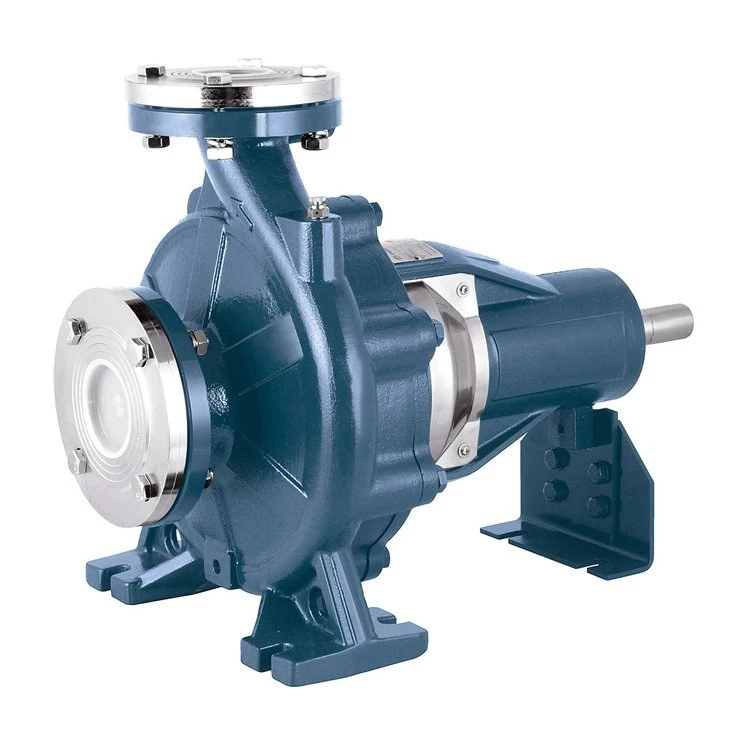
At our company, we offer a wide range of centrifugal pumps to meet different industrial needs. Our End Suction Centrifugal Pump is a popular choice for many applications due to its simple design and high efficiency. It's suitable for general water transfer, HVAC systems, and light - duty industrial processes.
If you're looking for a pump for more demanding applications, like mining, our Mine Multistage Centrifugal Pump is the way to go. It can handle high - pressure and high - flow requirements, making it ideal for dewatering mines and other heavy - duty operations.
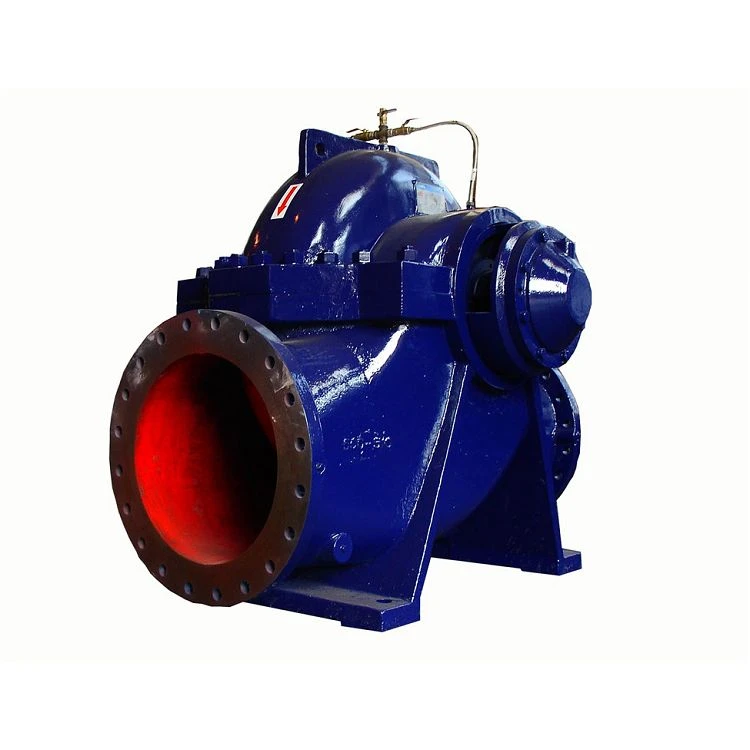
For applications that require a large flow rate and high efficiency, our Single Stage Double - Suction Centrifugal Pump is a great option. It's commonly used in water supply systems, power plants, and large - scale industrial processes.
Conclusion
Valves are an integral part of any centrifugal pump system. They affect the pump's performance in terms of flow control, pressure regulation, system isolation, cavitation prevention, and efficiency. By understanding how different valves work and their effects on the pump, you can optimize your pumping system for better performance and longer service life.
If you're in the market for a centrifugal pump or need advice on valve selection for your existing system, don't hesitate to reach out. We're here to help you make the best choices for your specific needs.
References
- Karassik, I. J., Messina, J. P., Cooper, P. T., & Heald, C. C. (2008). Pump Handbook. McGraw - Hill.
- Stepanoff, A. J. (1957). Centrifugal and Axial Flow Pumps: Theory, Design, and Application. John Wiley & Sons.