Hey there! As a supplier of pump suction components, I've seen firsthand how crucial it is to have a smooth surface on these parts. A smooth surface not only improves the performance of the pump but also extends its lifespan. In this blog post, I'm gonna share some tips on how to ensure a smooth surface for pump suction components.
Understanding the Importance of a Smooth Surface
Before we dive into the how - to part, let's quickly talk about why a smooth surface matters. When the pump suction component has a smooth surface, it reduces friction. Less friction means that the fluid can flow more freely through the pump, which in turn improves the pump's efficiency. It also helps prevent cavitation. Cavitation is when bubbles form in the fluid due to low pressure, and these bubbles can cause damage to the pump over time. A smooth surface minimizes the chances of these bubbles forming.
Material Selection
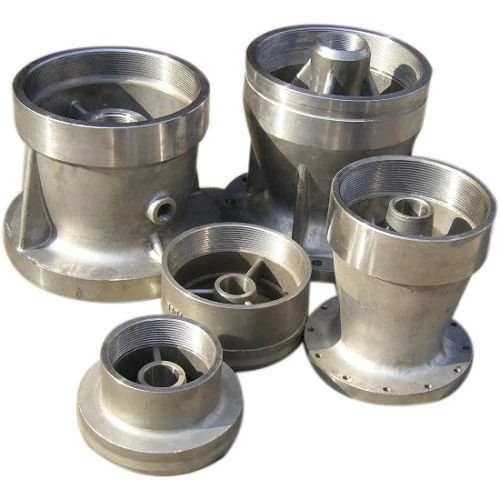
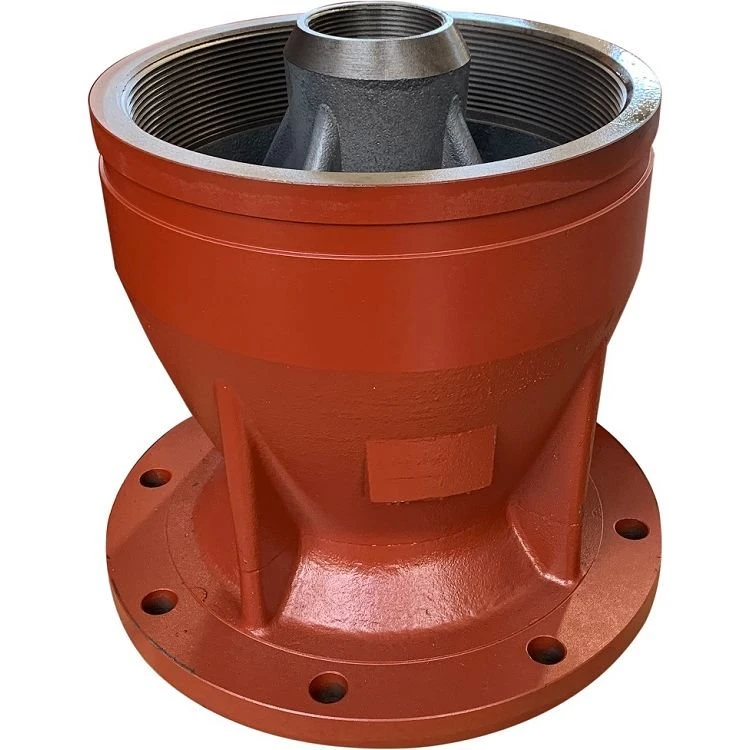
The first step in ensuring a smooth surface starts with choosing the right material. We offer two popular options: Cast Iron Pump Suction and Stainless Steel Pump Suction.
Cast iron is a great choice if you're on a budget. It's strong and can handle a fair amount of wear and tear. However, it's a bit more prone to corrosion compared to stainless steel. Stainless steel, on the other hand, is highly resistant to corrosion. It's a bit more expensive, but it's worth it if you're dealing with harsh chemicals or if the pump will be used in a wet environment.
When selecting the material, you also need to consider the finish of the material. Some materials come pre - finished, which can save you a lot of time and effort in getting that smooth surface.
Manufacturing Processes
Once you've chosen the material, the next step is the manufacturing process. There are several ways to achieve a smooth surface during manufacturing.
Machining
Machining is one of the most common methods. It involves using tools like lathes, mills, and grinders to shape and finish the pump suction component. For example, a lathe can be used to turn the component to the right diameter and remove any rough edges. Grinding is great for getting an extremely smooth finish. It uses an abrasive wheel to remove small amounts of material and create a fine surface.
However, machining requires skilled operators. If the machining is not done correctly, it can leave behind tool marks or uneven surfaces. So, it's important to work with a manufacturer who has experience in machining pump suction components.
Polishing
Polishing is another way to get a smooth surface. After the initial machining, the component can be polished to remove any remaining imperfections. There are different types of polishing methods, such as mechanical polishing and chemical polishing.
Mechanical polishing uses abrasive pads or belts to buff the surface. It's a relatively simple process but can be time - consuming, especially for complex shapes. Chemical polishing, on the other hand, uses chemicals to dissolve the surface layer of the material, leaving behind a smooth finish. It's faster than mechanical polishing but requires careful handling of the chemicals.
Quality Control
Quality control is essential to ensure that the pump suction component has a smooth surface. At our company, we have a strict quality control process in place.
Inspection
We inspect each component using various tools. For example, we use a surface roughness tester to measure the smoothness of the surface. This tool gives us a numerical value that indicates how rough or smooth the surface is. We also use visual inspection to look for any visible defects like scratches or pits.
Testing
In addition to inspection, we also conduct testing. We test the pump suction component in a simulated environment to see how it performs. This helps us identify any potential issues with the surface that could affect the pump's performance. If we find any problems, we go back and re - work the component until it meets our quality standards.
Maintenance
Even after you've got a smooth surface on your pump suction component, you need to maintain it. Here are some tips on how to do that.
Regular Cleaning
Regular cleaning is crucial. Over time, dirt, debris, and chemicals can build up on the surface of the component, which can make it rough. You can use a mild detergent and a soft brush to clean the component. Avoid using abrasive cleaners as they can scratch the surface.
Lubrication
Lubrication can also help maintain a smooth surface. Applying a thin layer of lubricant to the surface reduces friction and prevents wear. Make sure to use a lubricant that is compatible with the material of the pump suction component.
Monitoring
Keep an eye on the performance of the pump. If you notice a decrease in efficiency or an increase in noise, it could be a sign that the surface of the pump suction component is getting rough. If this happens, you may need to take the component out and re - polish it.
Conclusion
Ensuring a smooth surface for pump suction components is a multi - step process that starts with material selection and continues through manufacturing, quality control, and maintenance. By following these tips, you can make sure that your pump operates at its best and has a long lifespan.
If you're in the market for pump suction components or have any questions about achieving a smooth surface, don't hesitate to reach out. We're here to help you make the right choices and ensure that you get the best - performing pump suction components for your needs.
References
- ASME Standards on Pump Manufacturing
- Handbook of Pump Technology
- Material Science for Pump Components