Hey there! As a supplier of Vertical In-Line Pumps, I've seen firsthand the importance of ensuring the stability of these pumps during operation. In this blog post, I'll share some tips and tricks on how to keep your Vertical In-Line Pump running smoothly and efficiently.
1. Proper Installation
The first step in ensuring the stability of a Vertical In-Line Pump is proper installation. A poorly installed pump can lead to a host of problems, including vibration, noise, and premature wear and tear. Here are some key points to keep in mind during installation:
- Level and Secure Mounting: Make sure the pump is mounted on a flat, level surface that can support its weight. Use appropriate mounting bolts and brackets to secure the pump in place. This will prevent the pump from moving or vibrating during operation, which can cause damage to the pump and its components.
- Correct Alignment: Ensure that the pump is properly aligned with the motor and other connected equipment. Misalignment can cause excessive stress on the pump shaft and bearings, leading to premature failure. Use alignment tools to check and adjust the alignment as needed.
- Pipework Support: The pipework connected to the pump should be properly supported to prevent excessive stress on the pump nozzles. Use pipe hangers and supports to ensure that the pipes are held in place and do not sag or move during operation.
2. Regular Maintenance
Regular maintenance is essential for keeping a Vertical In-Line Pump running smoothly. Here are some maintenance tasks that you should perform on a regular basis:
- Lubrication: Check the lubrication levels in the pump bearings and other moving parts regularly. Use the recommended lubricant and follow the manufacturer's guidelines for lubrication intervals. Proper lubrication will reduce friction and wear, extending the life of the pump.
- Seal Inspection: Inspect the pump seals regularly for signs of wear or damage. Leaking seals can cause loss of fluid and contamination, which can lead to pump failure. Replace the seals as needed to prevent these problems.
- Impeller Inspection: The impeller is a critical component of the pump, and it should be inspected regularly for signs of wear or damage. A damaged impeller can cause reduced pump performance and efficiency. If the impeller is damaged, it should be replaced immediately.
- Motor Inspection: The motor that drives the pump should also be inspected regularly. Check the motor for proper ventilation, insulation resistance, and electrical connections. A faulty motor can cause the pump to malfunction or fail.
3. Monitoring and Control
Monitoring the performance of a Vertical In-Line Pump is crucial for detecting and addressing potential problems before they become serious. Here are some monitoring and control measures that you can implement:
- Pressure and Flow Monitoring: Install pressure and flow sensors on the pump inlet and outlet to monitor the pressure and flow rates. Abnormal pressure or flow readings can indicate a problem with the pump or the system. Use a control system to adjust the pump speed or flow rate as needed to maintain stable operation.
- Vibration Monitoring: Vibration is a common problem in pumps, and it can be a sign of misalignment, imbalance, or other issues. Install vibration sensors on the pump to monitor the vibration levels. If the vibration levels exceed the recommended limits, investigate the cause and take corrective action.
- Temperature Monitoring: Monitoring the temperature of the pump bearings and motor is also important. High temperatures can indicate a problem with lubrication, overloading, or other issues. Install temperature sensors on the pump to monitor the temperature levels and take action if the temperatures exceed the recommended limits.
4. System Design Considerations
The design of the pumping system can also have a significant impact on the stability of the Vertical In-Line Pump. Here are some system design considerations to keep in mind:
- Proper Sizing: Make sure the pump is properly sized for the application. An undersized pump may not be able to meet the system requirements, while an oversized pump can lead to excessive energy consumption and premature wear. Consult with a pump expert to determine the appropriate pump size for your application.
- Suction Conditions: The suction conditions of the pump are critical for its performance and stability. Make sure the suction pipe is properly sized and free of obstructions. The suction lift should be within the pump's recommended limits to prevent cavitation, which can cause damage to the pump impeller and other components.
- System Hydraulics: The overall hydraulics of the system, including the pipework layout, valves, and fittings, should be designed to minimize pressure losses and ensure smooth flow. A poorly designed system can cause excessive pressure fluctuations and instability in the pump operation.
5. Compatibility with Other Equipment
A Vertical In-Line Pump often works in conjunction with other equipment in the system, such as End Suction Centrifugal Pump, Single Stage Double-Suction Centrifugal Pump, and Slurry Pump. It's important to ensure that the pump is compatible with these other components.
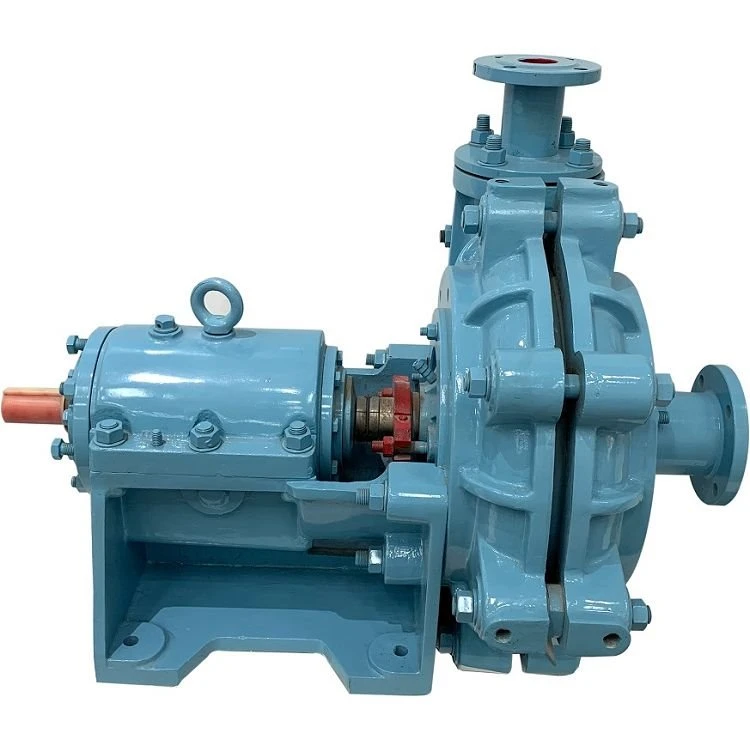
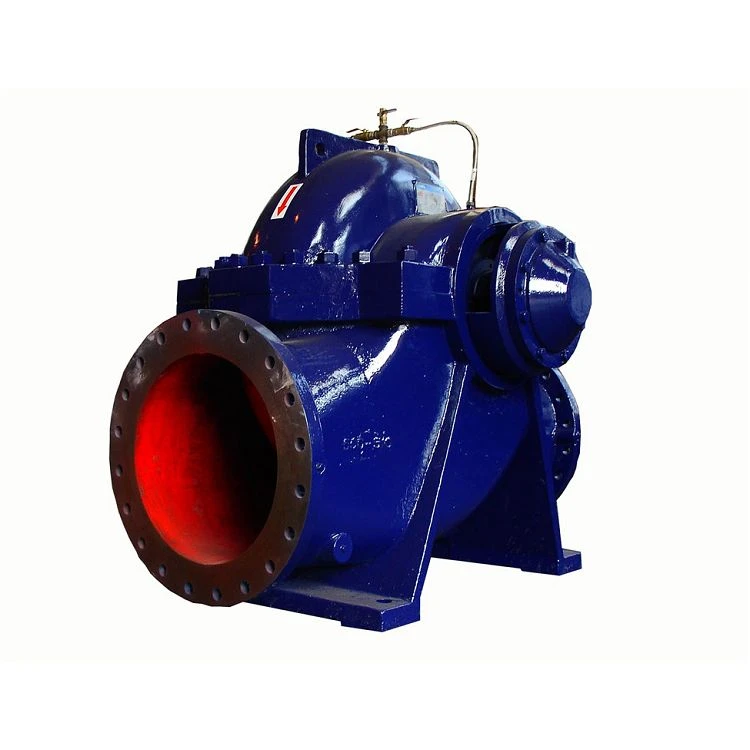
- Flow and Pressure Compatibility: The flow and pressure characteristics of the Vertical In-Line Pump should be compatible with the requirements of the other equipment in the system. For example, if the pump is supplying fluid to a process that requires a specific flow rate and pressure, make sure the pump can deliver these parameters consistently.
- Material Compatibility: Consider the material compatibility between the pump and the other equipment. If the fluid being pumped contains abrasive or corrosive substances, ensure that all the components in contact with the fluid are made of suitable materials to prevent corrosion and wear.
Conclusion
Ensuring the stability of a Vertical In-Line Pump during operation requires a combination of proper installation, regular maintenance, monitoring and control, system design considerations, and compatibility with other equipment. By following these tips and tricks, you can keep your pump running smoothly and efficiently, reducing downtime and maintenance costs.
If you're in the market for a Vertical In-Line Pump or need help with pump installation, maintenance, or troubleshooting, feel free to reach out to us. We're here to provide you with the best solutions for your pumping needs. Let's start a conversation and see how we can work together to meet your requirements.
References
- Pump Handbook, Karassik et al.
- Hydraulic Institute Standards