Hey there! As a supplier of centrifugal pumps, I often get asked this question: "Can a centrifugal pump handle viscous fluids?" Well, let's dive right into it and find out.
First off, let's understand what a centrifugal pump is. A centrifugal pump is a type of pump that uses centrifugal force to move fluid. It works by converting rotational energy from an impeller into hydrodynamic energy. The impeller rotates at high speed, creating a low - pressure area at its center. This low - pressure area allows fluid to enter the pump, and then the centrifugal force throws the fluid outwards through the pump casing and into the discharge pipe.
Now, when it comes to viscous fluids, things get a bit tricky. Viscosity is a measure of a fluid's resistance to flow. Fluids with high viscosity, like honey, molasses, or some types of oils, flow much more slowly than low - viscosity fluids like water.
So, can a centrifugal pump handle these viscous fluids? The short answer is yes, but with some limitations.
How Viscosity Affects Centrifugal Pumps
When a centrifugal pump tries to handle a viscous fluid, several things happen. First of all, the efficiency of the pump drops significantly. You see, centrifugal pumps are designed mainly for low - viscosity fluids. The impeller in a centrifugal pump is optimized to work with fluids that can flow easily. When a viscous fluid enters the pump, the resistance to flow causes more energy to be wasted in overcoming the fluid's internal friction. This means that the pump has to work harder to move the same amount of fluid, and as a result, its efficiency can drop by as much as 50% or more compared to when it's handling water.
Another issue is the head - capacity curve of the pump. The head - capacity curve shows the relationship between the flow rate and the head (pressure) that the pump can generate. For a low - viscosity fluid like water, the curve has a certain shape. But when a viscous fluid is introduced, the curve shifts. The maximum head and flow rate that the pump can achieve are reduced. In other words, the pump can't move as much fluid or generate as much pressure as it could with water.
The power consumption of the pump also increases. Since the pump has to work harder to overcome the viscosity of the fluid, it draws more power from the motor. This not only increases the operating cost but also puts more stress on the motor, which can lead to premature motor failure if not properly managed.
Factors to Consider When Using Centrifugal Pumps with Viscous Fluids
If you're thinking about using a centrifugal pump for a viscous fluid, there are a few factors you need to consider.
Viscosity Level
The higher the viscosity of the fluid, the more challenging it is for the centrifugal pump to handle it. As a general rule, centrifugal pumps start to have significant problems when the fluid's viscosity exceeds 100 centipoise (cP). For very high - viscosity fluids (over 1000 cP), centrifugal pumps may not be the best choice at all.
Temperature
Temperature can have a big impact on the viscosity of a fluid. Most fluids become less viscous as the temperature increases. So, if you're dealing with a viscous fluid, you might be able to reduce its viscosity by heating it. This can improve the performance of the centrifugal pump. However, you need to make sure that the pump and all its components can withstand the higher temperature.
Pump Design
Some centrifugal pumps are better suited for handling viscous fluids than others. For example, pumps with larger impellers and wider flow passages can handle viscous fluids more effectively because they offer less resistance to the flow of the fluid. Also, pumps with special impeller designs, such as open or semi - open impellers, can be more efficient with viscous fluids as they allow for better flow of the thick fluid.
Our Centrifugal Pump Solutions for Viscous Fluids
As a centrifugal pump supplier, we offer a range of pumps that can handle viscous fluids to some extent.
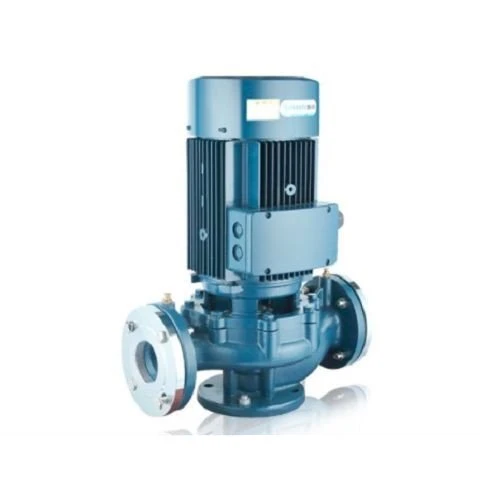
Our Vertical In Line Pump is a great option for applications where space is limited and you need to handle moderately viscous fluids. It has a compact design and can be easily installed in a vertical position. The pump's impeller and casing are designed to minimize the effects of viscosity on its performance.
If you need a pump that can generate high pressure and handle viscous fluids, our Vertical Multistage Pump is a good choice. The multistage design allows the pump to generate higher heads, which can be useful when dealing with the increased resistance of viscous fluids.
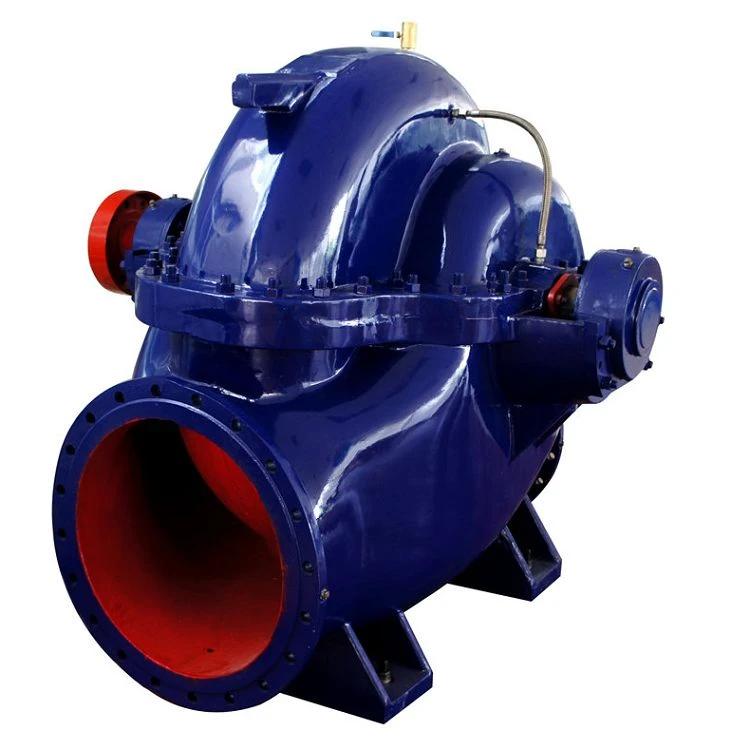
For larger - scale applications, our Horizontal Split Casing Centrifugal Pump is ideal. It has a large impeller and wide flow passages, which make it suitable for handling relatively high - viscosity fluids. The split - casing design also makes it easy to access and maintain the internal components of the pump.
When to Consider Other Pump Types
While centrifugal pumps can handle viscous fluids to some degree, there are situations where other pump types might be a better option. For extremely high - viscosity fluids (say, over 10,000 cP), positive displacement pumps like gear pumps or screw pumps are often a better choice. These pumps work by trapping a fixed amount of fluid and then forcing it through the discharge pipe. They are much better at handling high - viscosity fluids because they don't rely on centrifugal force to move the fluid.
Conclusion
So, to answer the question "Can a centrifugal pump handle viscous fluids?", the answer is yes, but with limitations. Centrifugal pumps can handle moderately viscous fluids, but their efficiency, head - capacity, and power consumption are all affected. When choosing a pump for a viscous fluid application, you need to consider the viscosity of the fluid, the temperature, and the specific requirements of your system.
If you're in the market for a centrifugal pump to handle viscous fluids, we're here to help. We have a team of experts who can analyze your application and recommend the best pump for your needs. Whether you need a Vertical In Line Pump, a Vertical Multistage Pump, or a Horizontal Split Casing Centrifugal Pump, we've got you covered.
Don't hesitate to reach out to us if you have any questions or if you're ready to start the procurement process. We're looking forward to working with you to find the perfect pump solution for your viscous fluid application.
References
- Karassik, I. J., Messina, J. P., Cooper, P. T., & Heald, C. C. (2008). Pump Handbook. McGraw - Hill.
- Stepanoff, A. J. (1957). Centrifugal and Axial Flow Pumps: Theory, Design, and Application. Wiley.