Handling high-viscosity fluids in pump suction is a challenging yet crucial task in various industrial applications. As a pump suction supplier, I've witnessed firsthand the complexities and nuances involved in dealing with these thick and sticky substances. In this blog, I'll share some insights and practical strategies to help you manage high-viscosity fluids effectively during the pump suction process.
Understanding High-Viscosity Fluids
Before delving into the solutions, it's essential to understand what high-viscosity fluids are. Viscosity refers to a fluid's resistance to flow. High-viscosity fluids, such as honey, molasses, and some heavy oils, flow slowly because their molecules have strong internal friction. This characteristic poses unique challenges for pump suction systems, including reduced flow rates, increased energy consumption, and potential pump damage.
Challenges in Pump Suction with High-Viscosity Fluids
Reduced Flow Rates
High-viscosity fluids require more force to move through the suction line and into the pump. As a result, the flow rate may be significantly lower compared to pumping low-viscosity fluids. This can lead to production bottlenecks and inefficiencies in industrial processes.
Increased Energy Consumption
To overcome the resistance of high-viscosity fluids, pumps need to work harder, consuming more energy. This not only increases operating costs but also puts additional stress on the pump components, potentially leading to premature wear and failure.
Cavitation and Pump Damage
Cavitation is a common problem when pumping high-viscosity fluids. It occurs when the pressure in the suction line drops below the vapor pressure of the fluid, causing the formation of vapor bubbles. When these bubbles collapse, they can create shock waves that damage the pump impeller and other internal components.
Strategies for Handling High-Viscosity Fluids in Pump Suction
Select the Right Pump Type
Choosing the appropriate pump for high-viscosity fluids is crucial. Positive displacement pumps, such as gear pumps, screw pumps, and lobe pumps, are often the best choice because they can handle high-viscosity fluids more effectively than centrifugal pumps. Positive displacement pumps work by trapping a fixed amount of fluid and then forcing it through the discharge port, providing a consistent flow rate regardless of the fluid's viscosity.
Optimize the Suction Line Design
The design of the suction line can have a significant impact on the pump's performance when handling high-viscosity fluids. Here are some key considerations:
- Short and Straight Suction Lines: Minimize the length and number of bends in the suction line to reduce friction and pressure losses. A shorter and straighter suction line allows the fluid to flow more freely into the pump.
- Large Diameter Suction Lines: Use a larger diameter suction line to reduce the fluid velocity and minimize the pressure drop. This helps prevent cavitation and ensures a smooth flow of high-viscosity fluids.
- Proper Suction Lift: Ensure that the pump is installed at an appropriate height to minimize the suction lift. A high suction lift can increase the risk of cavitation, especially when pumping high-viscosity fluids.
Preheat the Fluid
Heating the high-viscosity fluid can significantly reduce its viscosity, making it easier to pump. Preheating the fluid can be achieved using various methods, such as steam jackets, electric heaters, or heat exchangers. However, it's important to ensure that the fluid temperature does not exceed the pump's maximum operating temperature to avoid damage.
Use Viscosity-Compensating Controls
Some modern pumps are equipped with viscosity-compensating controls that can automatically adjust the pump speed or pressure based on the fluid's viscosity. These controls help maintain a consistent flow rate and prevent cavitation, even when the viscosity of the fluid changes.
Maintain the Pump Regularly
Regular maintenance is essential to ensure the proper functioning of the pump when handling high-viscosity fluids. This includes inspecting and replacing worn-out parts, lubricating the pump components, and checking the alignment of the pump and motor. By keeping the pump in good condition, you can minimize the risk of breakdowns and extend its service life.
Our Pump Suction Solutions
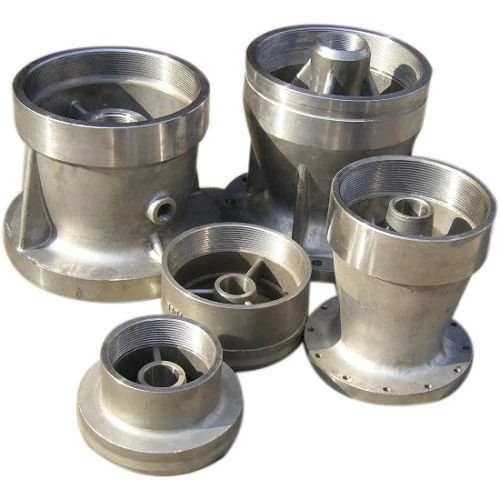
As a pump suction supplier, we offer a wide range of high-quality pump suction products designed to handle high-viscosity fluids effectively. Our Stainless Steel Pump Suction is made from durable stainless steel, providing excellent corrosion resistance and long-lasting performance. It is suitable for a variety of industrial applications, including food processing, chemical manufacturing, and oil and gas.
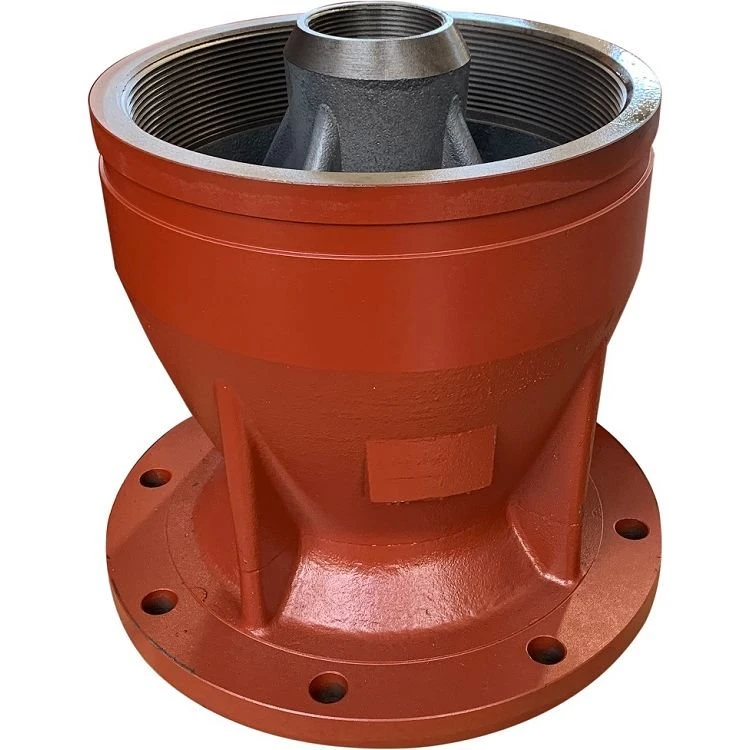
In addition, our Cast Iron Pump Suction is a cost-effective option for pumping high-viscosity fluids. Cast iron is known for its strength and durability, making it ideal for heavy-duty applications.
Conclusion
Handling high-viscosity fluids in pump suction requires careful planning and the right equipment. By understanding the challenges and implementing the strategies outlined in this blog, you can improve the performance and reliability of your pump suction system when dealing with these thick and sticky substances.
If you're looking for high-quality pump suction products or need expert advice on handling high-viscosity fluids, please don't hesitate to contact us. We're here to help you find the best solutions for your specific application.
References
- Chemical Engineering Handbook, Perry and Green
- Pump Handbook, Karassik et al.
- Fluid Mechanics and Hydraulics, R. L. Daugherty and J. B. Franzini