A fire pump isolation valve is a critical component in any fire protection system. As a fire pump supplier, I've seen firsthand how these valves play a pivotal role in ensuring the safety and effectiveness of fire suppression efforts. In this blog, I'll delve into how a fire pump isolation valve works, its importance, and the different types available.
The Basics of a Fire Pump Isolation Valve
At its core, a fire pump isolation valve is designed to control the flow of water to and from a fire pump. Its primary function is to isolate the pump from the rest of the fire protection system when necessary. This isolation can be crucial for maintenance, repairs, or in case of emergencies where the pump needs to be shut down quickly.
When a fire breaks out, the fire pump is responsible for providing the necessary water pressure to the sprinkler system or other fire suppression equipment. The isolation valve ensures that the water flow can be regulated and controlled, allowing the pump to operate efficiently and effectively.
How Does It Work?
The operation of a fire pump isolation valve is relatively straightforward. Most isolation valves are manually operated, although some can be automated. Here's a step-by-step breakdown of how it works:
- Normal Operation: During normal operation, the isolation valve is fully open, allowing water to flow freely between the water source (such as a municipal water supply or a storage tank) and the fire pump. The pump then pressurizes the water and distributes it to the fire protection system.
- Isolation: When maintenance or repairs are required on the fire pump or other components of the system, the isolation valve can be closed. This stops the flow of water to the pump, allowing technicians to work safely without the risk of water damage or injury.
- Emergency Shutdown: In case of an emergency, such as a pump failure or a leak in the system, the isolation valve can be quickly closed to prevent further damage. This helps to contain the problem and protect the integrity of the fire protection system.
Types of Fire Pump Isolation Valves
There are several types of fire pump isolation valves available, each with its own advantages and disadvantages. Here are some of the most common types:
- Gate Valves: Gate valves are the most widely used type of isolation valve in fire protection systems. They consist of a flat gate that slides up and down to control the flow of water. Gate valves are known for their simplicity, reliability, and low cost. However, they can be slow to operate and may require a significant amount of force to open and close.
- Ball Valves: Ball valves use a spherical ball with a hole in the center to control the flow of water. When the ball is rotated, the hole aligns with the pipe, allowing water to flow through. Ball valves are known for their quick operation, tight shut-off, and durability. However, they can be more expensive than gate valves and may require more maintenance.
- Butterfly Valves: Butterfly valves consist of a disc that rotates on a shaft to control the flow of water. When the disc is parallel to the pipe, water can flow freely. When the disc is perpendicular to the pipe, the flow is blocked. Butterfly valves are known for their compact design, low cost, and easy operation. However, they may not provide as tight a shut-off as gate or ball valves.
Importance of Proper Installation and Maintenance
Proper installation and maintenance of fire pump isolation valves are essential to ensure their reliable operation. Here are some key considerations:
- Installation: Isolation valves should be installed in accordance with the manufacturer's instructions and local codes and standards. They should be easily accessible for operation and maintenance and should be installed in a location where they are protected from damage.
- Testing: Isolation valves should be tested regularly to ensure they are functioning properly. This includes checking for leaks, verifying the operation of the valve, and ensuring that the valve can be opened and closed smoothly.
- Maintenance: Isolation valves should be maintained regularly to prevent corrosion, wear, and other problems. This includes lubricating the valve, inspecting the seals and gaskets, and replacing any worn or damaged components.
Choosing the Right Fire Pump Isolation Valve
When choosing a fire pump isolation valve, there are several factors to consider, including:
- System Requirements: The type and size of the fire protection system will determine the type and size of the isolation valve required. For example, a large commercial building may require a larger valve than a small residential building.
- Operating Conditions: The operating conditions of the system, such as the pressure and temperature of the water, will also affect the choice of isolation valve. For example, a valve that is designed for high-pressure applications may be required in a system with a high-pressure pump.
- Cost: The cost of the isolation valve is also an important consideration. While it's important to choose a valve that is reliable and meets the system requirements, it's also important to consider the cost of the valve and the overall cost of the fire protection system.
Conclusion
In conclusion, a fire pump isolation valve is a critical component in any fire protection system. It plays a vital role in ensuring the safety and effectiveness of fire suppression efforts by controlling the flow of water to and from the fire pump. By understanding how a fire pump isolation valve works, the different types available, and the importance of proper installation and maintenance, you can make an informed decision when choosing a valve for your fire protection system.
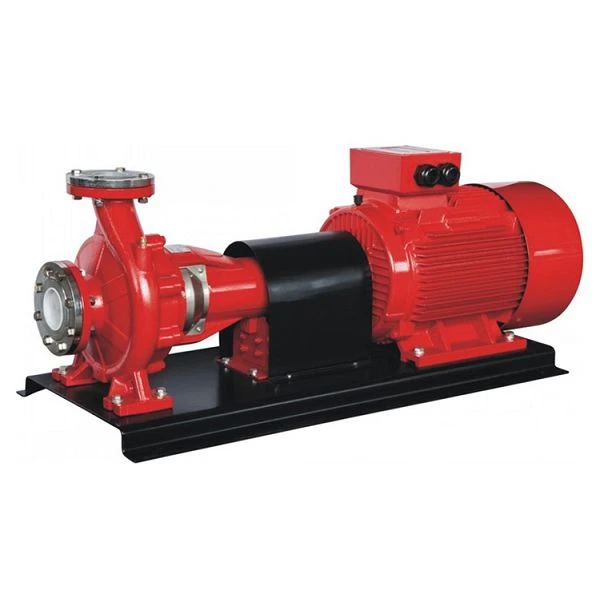
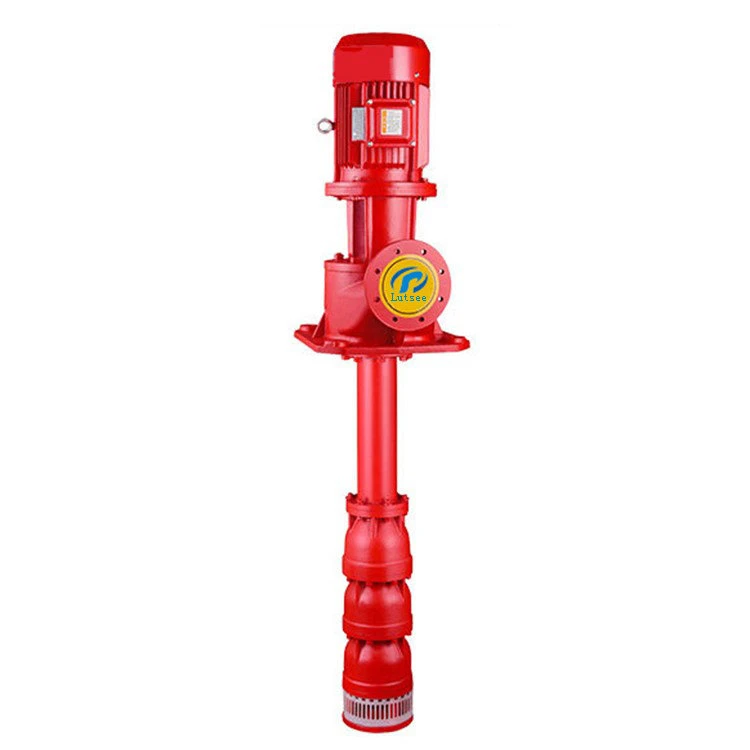
If you're in the market for a fire pump or related components, including isolation valves, we're here to help. As a leading fire pump supplier, we offer a wide range of Centrifugal Fire Pump and Submersible Fire Pump to meet your specific needs. Our team of experts can provide you with the guidance and support you need to choose the right products for your fire protection system. Contact us today to learn more about our products and services and to start the procurement process.
References
- NFPA 20: Standard for the Installation of Stationary Pumps for Fire Protection
- FM Global Data Sheets: Fire Pumps and Related Equipment
- UL 448: Standard for Fire Pump Controllers