How to improve pump discharge stability?
As a dedicated pump discharge supplier, I understand the critical importance of pump discharge stability in various industrial and commercial applications. Unstable pump discharge can lead to a host of problems, including reduced efficiency, increased wear and tear on equipment, and potential safety hazards. In this blog post, I will share some valuable insights and practical strategies on how to enhance the stability of pump discharge.
Understanding the Factors Affecting Pump Discharge Stability
Before delving into the solutions, it's essential to understand the key factors that can influence pump discharge stability. These factors can be broadly categorized into three main areas: system design, pump selection, and operational conditions.
- System Design: The design of the pumping system plays a crucial role in determining the stability of pump discharge. Factors such as pipe diameter, length, and layout, as well as the presence of valves, fittings, and other components, can all affect the flow characteristics and pressure within the system. Improper system design can lead to issues such as cavitation, water hammer, and flow pulsations, which can significantly impact pump performance and discharge stability.
- Pump Selection: Choosing the right pump for the specific application is essential for achieving stable pump discharge. Factors such as flow rate, head, efficiency, and material compatibility must be carefully considered when selecting a pump. Using a pump that is undersized or oversized for the application can result in inefficient operation and unstable discharge. Additionally, the type of pump, such as centrifugal, positive displacement, or axial flow, can also affect discharge stability.
- Operational Conditions: The operating conditions of the pump, including the fluid properties, temperature, and pressure, can have a significant impact on discharge stability. For example, changes in fluid viscosity, density, or temperature can affect the pump's performance and efficiency. Additionally, fluctuations in system pressure or flow rate can cause the pump to operate outside of its optimal range, leading to unstable discharge.
Strategies for Improving Pump Discharge Stability
Based on my experience as a pump discharge supplier, I have identified several effective strategies for enhancing pump discharge stability. These strategies can be implemented at various stages of the pumping system, from design and selection to operation and maintenance.
- Optimize System Design: To improve pump discharge stability, it's important to optimize the design of the pumping system. This includes selecting the appropriate pipe diameter, length, and layout to minimize pressure losses and flow restrictions. Additionally, the use of proper valves, fittings, and other components can help to control the flow and pressure within the system. For example, installing a pressure relief valve can prevent overpressure situations, while a flow control valve can regulate the flow rate and maintain stable discharge.
- Select the Right Pump: Choosing the right pump for the specific application is crucial for achieving stable pump discharge. When selecting a pump, it's important to consider factors such as flow rate, head, efficiency, and material compatibility. Additionally, the pump should be sized appropriately for the application to ensure efficient operation. For example, a centrifugal pump may be suitable for applications with high flow rates and low to medium heads, while a positive displacement pump may be better suited for applications with low flow rates and high heads.
- Monitor and Control Operational Conditions: Monitoring and controlling the operating conditions of the pump is essential for maintaining stable discharge. This includes regularly checking the fluid properties, temperature, and pressure to ensure that they are within the pump's recommended operating range. Additionally, using a variable frequency drive (VFD) can help to control the pump's speed and adjust the flow rate and pressure as needed. By maintaining stable operating conditions, the pump can operate more efficiently and with greater discharge stability.
- Implement Proper Maintenance Practices: Regular maintenance is essential for ensuring the long-term performance and stability of the pump. This includes performing routine inspections, cleaning, and lubrication of the pump and its components. Additionally, replacing worn or damaged parts in a timely manner can prevent further damage and ensure that the pump operates at its optimal level. By following a comprehensive maintenance schedule, the pump can continue to provide stable discharge and reliable performance.
The Role of High-Quality Pump Discharges in Stability
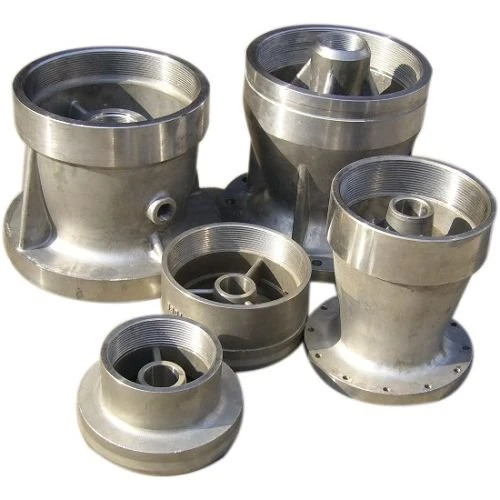
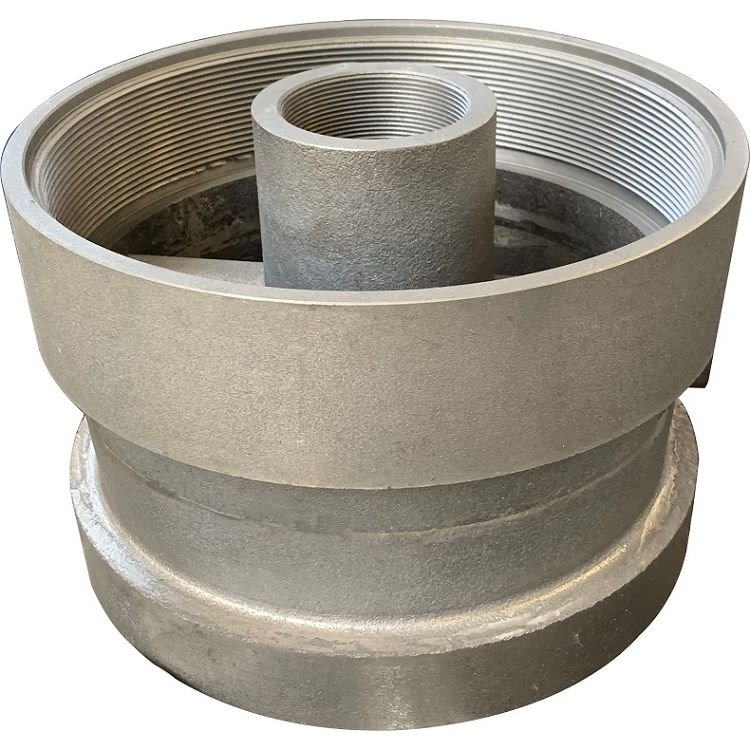
In addition to the strategies mentioned above, the quality of the pump discharge itself can also have a significant impact on stability. At our company, we offer a wide range of high-quality pump discharges, including Cast Iron Pump Discharge and Stainless Steel Pump Discharge. These pump discharges are designed and manufactured to meet the highest standards of quality and performance, ensuring stable and reliable operation.
- Cast Iron Pump Discharge: Cast iron pump discharges are known for their durability and strength. They are suitable for a wide range of applications, including water supply, wastewater treatment, and industrial processes. Cast iron pump discharges are resistant to corrosion and abrasion, making them ideal for use in harsh environments. Additionally, they offer excellent hydraulic performance, ensuring efficient and stable discharge.
- Stainless Steel Pump Discharge: Stainless steel pump discharges are highly resistant to corrosion and oxidation, making them suitable for use in applications where the fluid being pumped is corrosive or contains abrasive particles. They are commonly used in industries such as food and beverage, pharmaceutical, and chemical processing. Stainless steel pump discharges also offer excellent strength and durability, ensuring long-term performance and stability.
Conclusion
Improving pump discharge stability is essential for ensuring the efficient and reliable operation of pumping systems. By understanding the factors that affect discharge stability and implementing the strategies outlined in this blog post, you can enhance the performance and longevity of your pump. Additionally, choosing high-quality pump discharges, such as our Cast Iron Pump Discharge and Stainless Steel Pump Discharge, can further enhance the stability and reliability of your pumping system.
If you have any questions or would like to discuss your specific pump discharge needs, please feel free to contact us. Our team of experts is here to provide you with the guidance and support you need to ensure the optimal performance of your pumping system.
References
- Karassik, I. J., Messina, J. P., Cooper, P. T., & Heald, C. C. (2008). Pump Handbook. McGraw-Hill Professional.
- Stepanoff, A. J. (1957). Centrifugal and Axial Flow Pumps: Theory, Design, and Application. John Wiley & Sons.
- Warring, D. R. (2003). Pump Systems Matter: A Guide to Improved Performance and Reliability. Hydraulic Institute.