Accurate measurement of pump parts is crucial in the pump industry. As a pump parts supplier, I understand the significance of precision in every component. In this blog, I'll share some effective methods and considerations for accurately measuring pump parts.
Understanding the Importance of Accurate Measurement
Before delving into the measurement techniques, it's essential to recognize why accurate measurement matters. In the pump industry, even the slightest deviation in the dimensions of a part can lead to performance issues, reduced efficiency, and premature wear. For instance, an incorrectly sized Pump Shaft may cause misalignment, resulting in increased vibration and potential damage to the entire pump system. Accurate measurement ensures that the parts fit together perfectly, optimizing the pump's performance and longevity.
Tools for Measuring Pump Parts
To measure pump parts accurately, you need the right tools. Here are some commonly used tools in the industry:
Calipers
Calipers are versatile measuring tools that can be used to measure the outer and inner diameters of pump parts, as well as the depth of holes. There are two main types of calipers: vernier calipers and digital calipers. Vernier calipers are mechanical and require some skill to read accurately, while digital calipers provide a direct digital readout, making them easier to use.
Micrometers
Micrometers are more precise than calipers and are used to measure very small dimensions with high accuracy. They are commonly used to measure the thickness of pump parts, such as gaskets and seals. Like calipers, micrometers also come in mechanical and digital versions.
Dial Indicators
Dial indicators are used to measure small displacements and variations in the surface of pump parts. They are often used to check the runout of shafts and the flatness of mating surfaces. Dial indicators can provide a quick and accurate assessment of the part's condition.
Coordinate Measuring Machines (CMMs)
CMMs are advanced measuring devices that use a probe to measure the coordinates of points on the surface of a part. They can measure complex shapes and geometries with high precision and are commonly used in the manufacturing and quality control of pump parts. CMMs are expensive but offer unparalleled accuracy and repeatability.
Measuring Different Pump Parts
Now that we've covered the tools, let's look at how to measure different pump parts accurately.
Pump Shaft
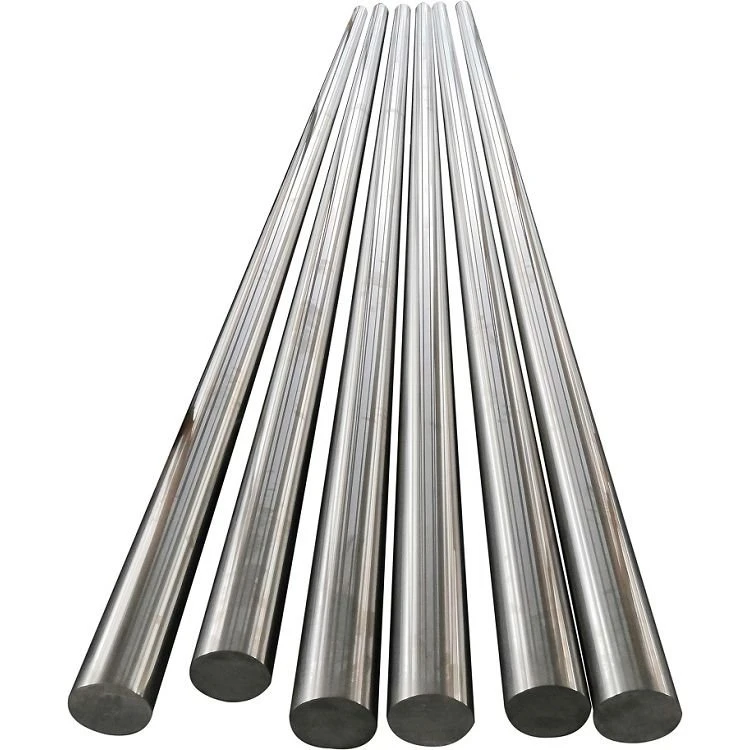
The Pump Shaft is a critical component of the pump, and its dimensions must be measured accurately to ensure proper alignment and operation. To measure the diameter of the shaft, use a micrometer or caliper at multiple points along the length of the shaft to check for any variations. The runout of the shaft can be measured using a dial indicator. Place the dial indicator on the shaft and rotate it slowly to check for any wobbling or unevenness.
Impeller
The impeller is responsible for creating the flow and pressure in the pump. To measure the diameter of the impeller, use a caliper or micrometer. The blade height and width can also be measured using these tools. Additionally, the balance of the impeller should be checked to ensure smooth operation. This can be done using a balancing machine.
Casing
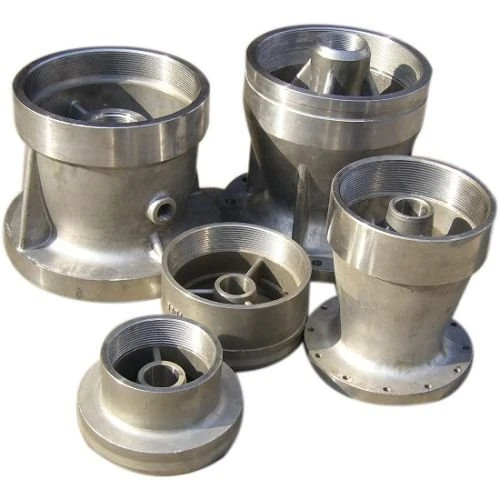
The pump casing provides the housing for the impeller and other components. To measure the inner diameter of the casing, use a caliper or bore gauge. The flatness of the mating surfaces of the casing can be checked using a dial indicator or a straightedge. The thickness of the casing walls can be measured using a micrometer.
Seals and Gaskets
Seals and gaskets are used to prevent leakage in the pump. To measure the thickness of the seals and gaskets, use a micrometer. The inner and outer diameters of the seals can be measured using a caliper. It's important to ensure that the seals and gaskets are the correct size and shape to provide a proper seal.
Considerations for Accurate Measurement
In addition to using the right tools and techniques, there are some other considerations to keep in mind when measuring pump parts:
Temperature
Temperature can affect the dimensions of pump parts. When measuring parts, it's important to ensure that they are at the same temperature as the measuring tool. If the parts are hot or cold, allow them to reach room temperature before measuring.
Surface Finish
The surface finish of the pump parts can also affect the measurement accuracy. Rough surfaces can cause the measuring tool to slide or give inaccurate readings. Before measuring, make sure the surface of the part is clean and smooth.
Measurement Environment
The measurement environment should be stable and free from vibrations and other sources of interference. A noisy or unstable environment can affect the accuracy of the measurement. If possible, measure the parts in a controlled environment, such as a metrology lab.
Quality Control and Documentation
Accurate measurement is not only important for ensuring the proper functioning of the pump but also for quality control and documentation purposes. Keep detailed records of all the measurements taken, including the part name, dimensions, and measurement tool used. This documentation can be used for future reference, troubleshooting, and quality assurance.
Conclusion
Accurately measuring pump parts is essential for ensuring the performance, efficiency, and longevity of the pump. By using the right tools, techniques, and considering the various factors that can affect measurement accuracy, you can ensure that the pump parts meet the required specifications. As a pump parts supplier, I am committed to providing high-quality parts that are accurately measured and inspected. If you are in the market for pump parts, such as Sea Water Pump Parts, please feel free to contact me for more information and to discuss your specific requirements.
References
- "Pump Handbook" by Igor J. Karassik et al.
- "Mechanical Measurements" by Beckwith et al.
- Industry standards and guidelines related to pump manufacturing and quality control.