Hey there! As a pump shaft supplier, I've seen firsthand how crucial it is to have an efficient pump shaft in various applications. Whether it's for industrial machinery, water treatment plants, or even in your home's plumbing system, an efficient pump shaft can save you time, money, and a whole lot of headaches. In this blog, I'm gonna share some tips on how to improve the efficiency of a pump shaft.
1. Choose the Right Material
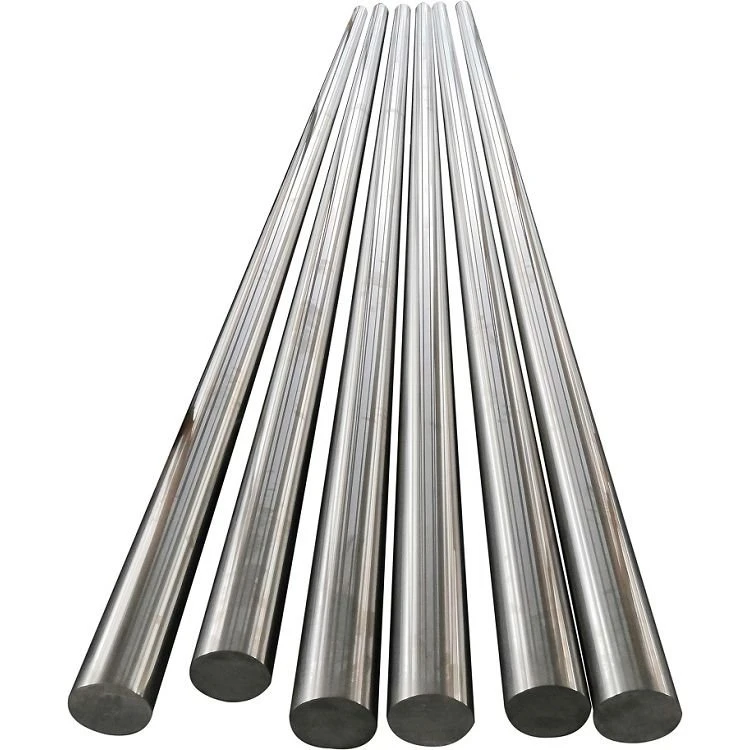
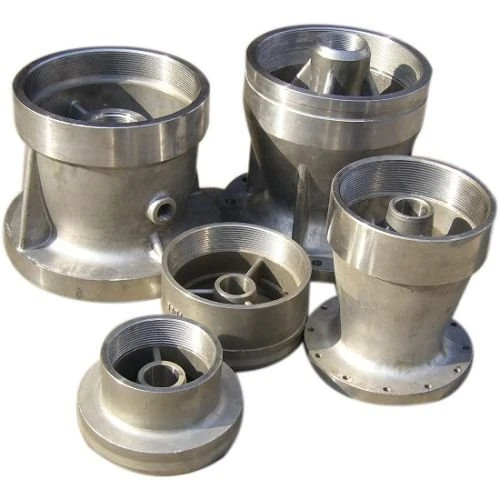
The material of the pump shaft plays a huge role in its efficiency. Different applications require different materials. For example, if you're dealing with Sea Water Pump Parts, you need a material that can resist corrosion. Stainless steel is a great choice for such applications because it's durable and corrosion - resistant.
On the other hand, for high - speed applications, you might want to consider materials like alloy steel. Alloy steel offers high strength and good wear resistance, which is essential when the shaft is spinning at high speeds. You don't want the shaft to wear out too quickly, as that'll not only reduce efficiency but also lead to frequent replacements. And when it comes to choosing the right Pump Shaft, always keep the operating environment and conditions in mind.
2. Proper Machining and Tolerances
The machining process of the pump shaft is super important. A well - machined shaft will have better balance and alignment, which directly impacts its efficiency. When the shaft is machined to the correct tolerances, it reduces vibration and friction.
Vibration can cause a lot of problems. It can lead to premature wear of the shaft and other components in the pump system. And friction? Well, that just wastes energy. The more friction there is, the more power the pump needs to operate, and that's not good for efficiency.
For example, the diameter of the shaft should be within the specified range. Any deviation from the standard tolerance can cause issues. A slightly larger diameter might cause the shaft to fit too tightly in the bearings, increasing friction. A smaller diameter could lead to loose fitting, causing vibration. So, make sure the machining process is precise and the tolerances are right on the money.
3. Lubrication
Lubrication is like magic for a pump shaft. It reduces friction between the shaft and other moving parts, such as bearings. Without proper lubrication, the shaft can overheat, which can cause damage to the shaft itself and other components in the pump.
There are different types of lubricants available, and you need to choose the one that's suitable for your application. For high - temperature applications, you'll need a lubricant that can withstand the heat. And for applications where there's a risk of contamination, like in a dirty industrial environment, you might want a lubricant that has good anti - contamination properties.
Regularly check the lubricant level and quality. Over time, the lubricant can break down and lose its effectiveness. So, replace it as recommended by the manufacturer. A well - lubricated shaft will run smoother and more efficiently, using less energy in the process.
4. Balancing the Shaft
An unbalanced pump shaft is a recipe for disaster. It can cause excessive vibration, which not only reduces efficiency but also shortens the lifespan of the shaft and other pump components. Balancing the shaft involves adjusting the distribution of mass so that it rotates evenly.
There are two types of balancing: static and dynamic. Static balancing is done when the shaft is at rest and is mainly used for shafts that rotate at low speeds. Dynamic balancing, on the other hand, is done when the shaft is rotating. It's more accurate and is usually required for high - speed shafts.
You can use specialized balancing equipment to ensure the shaft is properly balanced. If you're not sure how to do it, there are professionals who can help you out. A balanced shaft will run more smoothly, use less energy, and last longer.
5. Maintenance and Inspection
Regular maintenance and inspection are key to improving and maintaining the efficiency of a pump shaft. First off, you need to visually inspect the shaft for any signs of wear, such as scratches, cracks, or corrosion. Even a small scratch can develop into a larger problem over time, so it's important to catch these issues early.
Check the alignment of the pump shaft regularly. Misalignment can cause increased friction and vibration. You can use alignment tools to ensure the shaft is properly aligned with other components in the pump system.
Also, keep an eye on the performance of the pump. If you notice any changes in the flow rate, pressure, or power consumption, it could be a sign that there's an issue with the shaft. By addressing these problems promptly, you can prevent further damage and keep the pump operating at peak efficiency.
6. Upgrading Components
Sometimes, upgrading certain components that interact with the pump shaft can improve its efficiency. For example, upgrading the bearings can make a big difference. High - quality bearings can reduce friction and provide better support for the shaft.
Newer bearing technologies, such as ceramic bearings, offer lower friction and higher durability compared to traditional steel bearings. They can withstand higher speeds and temperatures, which is great for improving the overall performance of the pump shaft.
You can also consider upgrading the seals. A good seal prevents leakage and contamination, which can help keep the pump shaft in good condition and improve its efficiency.
Conclusion
Improving the efficiency of a pump shaft is not just about one thing. It's a combination of choosing the right material, proper machining, lubrication, balancing, maintenance, and sometimes upgrading components. By following these tips, you can ensure that your pump shaft runs smoothly, uses less energy, and lasts longer.
If you're in the market for a high - quality Pump Shaft or need any advice on improving the efficiency of your existing pump shaft, feel free to reach out. We're here to help you make the most of your pump system.
References
- "Pump Handbook" by Karassik, I. J., Messina, J. P., Cooper, P. H., & Heald, C. C.
- Various industry - specific publications on pump technology and maintenance.