Installing a submersible motor in a vertical position is a task that requires careful planning, technical know - how, and adherence to safety guidelines. As a Submersible Motor supplier, I've witnessed firsthand the importance of proper installation for the longevity and performance of these essential pieces of equipment. In this blog post, I'll guide you through the step - by - step process of installing a submersible motor vertically, ensuring that you have all the necessary information to complete this task successfully.
Step 1: Pre - installation Preparation
Before you even bring out the submersible motor, you need to conduct a thorough site assessment. First, check the well or the water source where the motor will be installed. Make sure the diameter of the well is large enough to accommodate the motor. A general rule of thumb is to have at least 2 inches of clearance around the motor to allow for proper water flow and prevent overheating. The well depth should also be considered. Measure the total depth from the surface to the water level and the desired pumping depth. This will help you determine the appropriate length of the cable and the pipe required for the installation.
Inspect the power supply. The electrical system must be able to handle the power requirements of the submersible motor. Check the voltage, phase, and amperage ratings of the motor, which can usually be found on the motor's nameplate. Ensure that the circuit breaker or fuse protecting the motor is of the correct rating. If you're unsure about the electrical requirements, it's advisable to consult a qualified electrician.
Gather all the necessary tools and materials. You'll need a hoist or a winch to lower the motor into the well safely. Other tools include wrenches, pliers, a sealing compound for pipe joints, and a level to ensure the motor is installed vertically. Also, have the appropriate pipes and cables ready. For the pipes, choose a material that is compatible with the water source and the pumping application. PVC pipes are a popular choice for residential applications, while stainless - steel pipes may be more suitable for industrial or corrosive environments.
Step 2: Preparing the Submersible Motor
Before installing the motor, it's crucial to inspect it for any damage during shipping or storage. Check the motor housing for cracks, dents, or any signs of leakage. Examine the impeller and the shaft for proper rotation and alignment. There should be no signs of binding or excessive play.
If the motor is equipped with a bearing or a seal assembly, make sure they are lubricated according to the manufacturer's instructions. Some motors come pre - lubricated, but it's still a good idea to double - check.
Next, attach the required pipes and cables to the motor. Connect the discharge pipe to the motor's outlet. Use a proper sealing compound to ensure a leak - free connection. Tighten the pipe joints with a wrench, but be careful not to over - tighten as this can damage the pipes or the motor.
Attach the electrical cable to the motor. Follow the wiring diagram provided by the manufacturer carefully. Make sure all connections are secure and insulated. It's a good practice to use heat - shrink tubing or electrical tape to insulate the connections and prevent moisture from entering.
Step 3: Lowering the Motor into the Well
Once the motor is prepared, it's time to lower it into the well. Use a hoist or a winch that is rated for the weight of the motor and the attached pipes and cables. Attach the hoist to the lifting eye on the motor securely.
Slowly lower the motor into the well, making sure it remains vertical throughout the process. Use a level to check the verticality. If the motor is not vertical, it can cause uneven wear on the impeller and the bearings, leading to premature failure.
As the motor is being lowered, pay close attention to the cable and the pipe. Make sure they do not get tangled or kinked. If you encounter any resistance while lowering the motor, stop immediately and investigate the cause. It could be due to an obstruction in the well or improper alignment of the motor.
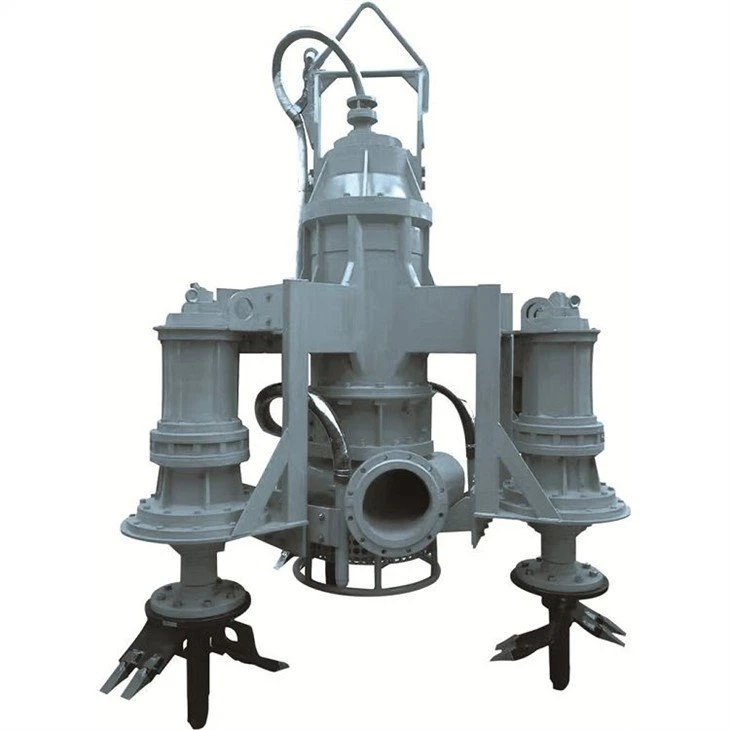
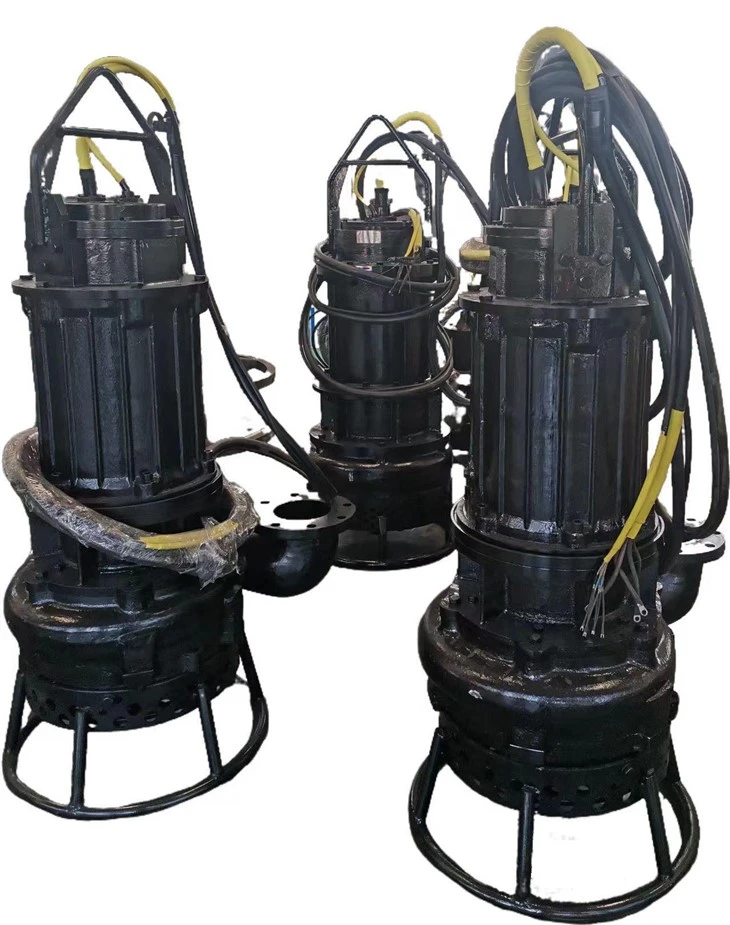
Step 4: Connecting the Surface Equipment
After the motor is safely lowered into the well, connect the surface equipment. This includes the pressure tank, the control panel, and the plumbing system.
Connect the discharge pipe from the motor to the inlet of the pressure tank. Use appropriate fittings and make sure all joints are tightly sealed. The pressure tank helps to maintain a constant water pressure in the system.
Connect the electrical cable from the motor to the control panel. The control panel typically contains a starter, a capacitor, and a switch. Make all the electrical connections according to the wiring diagram provided with the control panel. The control panel allows you to start and stop the motor and protects it from over - voltage, under - voltage, and over - current conditions.
Finally, connect the plumbing system to the pressure tank outlet. This will distribute the water to the desired locations in your home or industrial facility.
Step 5: Testing the System
Once all the connections are made, it's time to test the system. Before turning on the motor, check the water level in the well to ensure there is enough water for the motor to operate.
Turn on the power switch on the control panel. The motor should start running smoothly. Listen for any unusual noises, such as grinding or rattling, which could indicate a problem with the motor or the impeller.
Check the water pressure at various points in the system. The pressure should be within the recommended range as specified by the manufacturer. If the pressure is too low, it could be due to a blocked pipe, a faulty pump, or improper motor operation. If the pressure is too high, it could cause damage to the pipes and the fixtures.
Monitor the system for a few hours to ensure its stability. Check for any leaks at the pipe joints or the connections. If you notice any problems during the testing phase, turn off the motor immediately and address the issue before continuing.
Troubleshooting and Maintenance Tips
Even with proper installation, submersible motors may encounter problems over time. Here are some common issues and their solutions:
- Low water pressure: Check for any blockages in the pipes or the impeller. Clean or replace the impeller if necessary. Also, check the motor speed. A slow - running motor can result in low water pressure.
- Motor overheating: This could be due to a lack of water flow, a blocked cooling system, or an electrical problem. Check the water level in the well and ensure that the motor is properly submerged. If the cooling system is blocked, clean it. Consult an electrician if you suspect an electrical issue.
- Leaks: Tighten the pipe joints or replace the gaskets if there are leaks. Check for cracks in the pipes or the motor housing and replace any damaged parts.
Regular maintenance is essential to keep the submersible motor running smoothly. This includes checking the electrical connections periodically, lubricating the bearings as recommended by the manufacturer, and inspecting the pipes and the impeller for wear and tear.
Conclusion
Installing a submersible motor in a vertical position is a complex but rewarding task. By following the steps outlined in this blog post, you can ensure a successful installation and a long - lasting, efficient pumping system.
If you're in the market for a high - quality Submersible Motor, we are here to help. We offer a wide range of submersible motors to meet various applications, including Submersible Sewage Pump and Submersible Slurry Pump. Our products are known for their reliability, durability, and energy efficiency.
If you have any questions about our Submersible Motor or need assistance with installation, please feel free to contact us. We look forward to discussing your requirements and providing you with the best solutions for your pumping needs.
References
- "Submersible Pump Installation Manual", Generic Pump Manufacturer
- "Electrical Safety Guidelines for Submersible Motors", National Electrical Code
- "Maintenance and Troubleshooting of Submersible Pumps", Industry - standard Handbook