In the realm of fluid handling systems, pump bowls play a pivotal and intricate role. As a dedicated pump bowl supplier, we recognize the importance of ensuring optimal performance for these crucial components. In this article, we'll delve into a comprehensive array of strategies and factors that can be employed to enhance the performance of a pump bowl.
Understanding the Basics of Pump Bowls
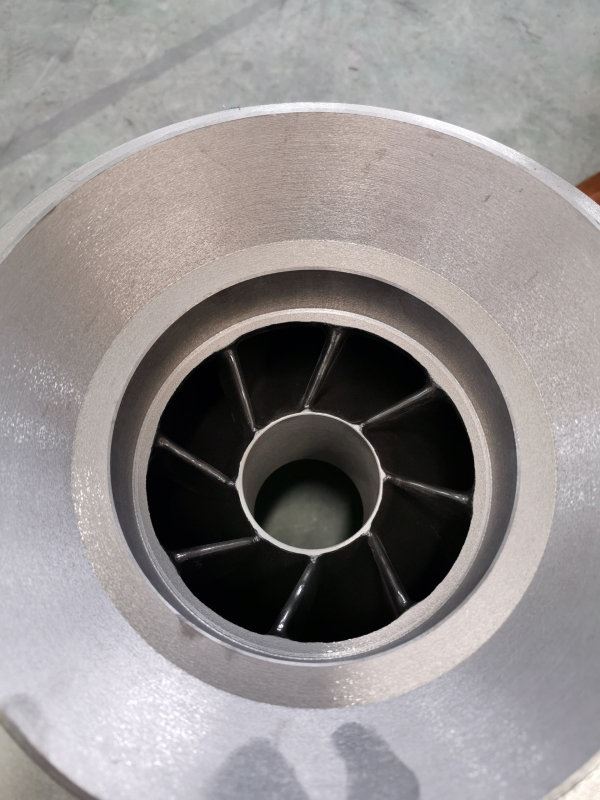
Before we explore the methods to improve the performance of a pump bowl, it's essential to grasp what a pump bowl is and how it functions. A pump bowl is a key component in vertical turbine pumps. It serves as a housing for the impeller and diffuser, directing the flow of fluid from the impeller to the discharge pipe. The design and quality of the pump bowl significantly impact the overall efficiency, reliability, and output of the pump system.
Pump bowls come in various materials and designs, each tailored to specific applications. For instance, Glass-Lined Bowl offers excellent corrosion resistance, making it suitable for handling aggressive chemicals. On the other hand, the Stainless Steel Bowl is known for its durability and strength, which is ideal for heavy-duty industrial applications.

Design Optimization
One of the fundamental ways to improve the performance of a pump bowl is through design optimization. The geometry of the pump bowl, including its shape, size, and the number of vanes in the diffuser, plays a crucial role in fluid flow characteristics.
- Shape and Size: The shape of the pump bowl should be carefully designed to minimize turbulence and maximize the conversion of kinetic energy to pressure energy. A well - contoured bowl reduces energy losses and enhances the pump's efficiency. Additionally, the size of the pump bowl must be appropriate for the flow rate and pressure requirements of the system. An oversized or undersized bowl can lead to inefficiencies.
- Vane Design: The diffuser vanes in the pump bowl are responsible for guiding the fluid flow and reducing its velocity while increasing the pressure. Optimal vane design, such as the angle, curvature, and number of vanes, can significantly improve the pumping efficiency. Advances in computational fluid dynamics (CFD) have allowed for more precise vane design, enabling engineers to simulate and optimize the fluid flow within the pump bowl.
Material Selection
The choice of material for the pump bowl has a direct impact on its performance and longevity.
- Corrosion Resistance: When handling corrosive fluids, selecting a material with high corrosion resistance is crucial. As mentioned earlier, glass - lined bowls are an excellent option for such applications. They provide a protective barrier between the fluid and the underlying metal, preventing corrosion and extending the life of the pump bowl.
- Wear Resistance: In applications where the fluid contains abrasive particles, the pump bowl needs to be made of a wear - resistant material. Stainless steel bowls are often preferred in these situations due to their hardness and ability to withstand wear and tear.
Importance of Proper Installation
Even the best - designed and highest - quality pump bowls can underperform if not installed correctly.
- Alignment: Proper alignment of the pump bowl with the impeller and other components is essential. Misalignment can cause excessive vibration, increased wear, and reduced efficiency. During installation, precise alignment tools and techniques should be used to ensure that all components are in the correct position.
- Sealing: Effective sealing at the joints and connections of the pump bowl is crucial to prevent leakage. Leaks not only reduce the efficiency of the pump but can also lead to environmental hazards and damage to surrounding equipment. High - quality gaskets and sealing materials should be used, and proper installation procedures followed to ensure a tight seal.
Maintenance and Inspection
Regular maintenance and inspection are vital for maintaining the performance of a pump bowl over time.
- Cleaning: Over time, debris, sediment, and scale can accumulate inside the pump bowl, obstructing the fluid flow and reducing efficiency. Regular cleaning of the pump bowl can prevent this buildup and ensure smooth operation. Depending on the nature of the fluid being pumped, different cleaning methods may be required, such as chemical cleaning or mechanical scrubbing.
- Inspection: Routine inspections of the pump bowl can detect early signs of wear, corrosion, or damage. Visual inspections, as well as non - destructive testing methods like ultrasonic testing and radiography, can be used to assess the condition of the pump bowl. Any issues identified during inspection should be addressed promptly to prevent further damage and performance degradation.
Monitoring and Control
Implementing a monitoring and control system can help optimize the performance of a pump bowl in real - time.
- Flow and Pressure Monitoring: By continuously monitoring the flow rate and pressure of the fluid passing through the pump bowl, operators can detect any deviations from the normal operating conditions. This allows for timely adjustments to be made, such as adjusting the speed of the pump or the opening of control valves, to maintain optimal performance.
- Vibration Monitoring: Excessive vibration can indicate misalignment, bearing problems, or other mechanical issues within the pump bowl. Installing vibration sensors and monitoring the vibration levels can help identify these issues early, preventing costly breakdowns and ensuring the long - term reliability of the pump system.
Training and Operator Competence
The performance of a pump bowl is also influenced by the skills and knowledge of the operators.
- Training: Providing comprehensive training to the pump operators on the proper operation, maintenance, and troubleshooting of the pump bowl is essential. Well - trained operators are more likely to follow the recommended procedures, detect early signs of problems, and take appropriate actions to ensure the optimal performance of the pump system.
- Operator Awareness: Creating awareness among the operators about the importance of pump bowl performance and the impact of their actions on the overall system can also lead to better results. This includes teaching them about energy conservation, the need for regular maintenance, and how to respond to different operating conditions.
Customization for Specific Applications
Not all pump applications are the same, and a one - size - fits - all approach may not yield the best results.
- Tailored Designs: Working closely with customers to understand their specific requirements and developing customized pump bowl designs can significantly improve performance. For example, in a water treatment plant, the pump bowl may need to be designed to handle a high volume of water with low levels of solids. In contrast, in a chemical processing plant, the pump bowl may need to be highly corrosion - resistant.
- Performance Testing: Conducting performance testing on customized pump bowls can help verify that they meet the specified requirements. This may involve testing the pump bowl under different flow rates, pressures, and fluid conditions to ensure that it performs optimally in the intended application.
Conclusion
Improving the performance of a pump bowl requires a holistic approach that encompasses design optimization, material selection, proper installation, maintenance, monitoring, and operator training. As a pump bowl supplier, we are committed to providing our customers with high - quality products and technical support to achieve these goals.
If you are looking to enhance the performance of your pump system or are interested in our pump bowl products, we encourage you to contact us for a detailed discussion. Our team of experts is ready to assist you in selecting the right pump bowl for your application and providing solutions to optimize its performance.
References
- Karassik, I. J., Messina, J. P., Cooper, P. T., & Heald, C. C. (2008). Pump Handbook. McGraw - Hill Professional.
- Stepanoff, A. J. (1957). Centrifugal and Axial Flow Pumps: Theory, Design, and Application. John Wiley & Sons.
- Idelchik, I. E. (2007). Handbook of Hydraulic Resistance. Begell House Inc.