As a pump bowl supplier, I've been deeply involved in the industry, and one question that frequently arises from our clients is, "What is the material hardness requirement for a pump bowl?" To address this, we need to understand the significance of material hardness in pump bowls, the factors influencing these requirements, and the different materials commonly used in pump bowl manufacturing.
The Significance of Material Hardness in Pump Bowls
Material hardness is a crucial property for pump bowls. It directly affects the pump's performance, durability, and service life. A pump bowl with appropriate hardness can withstand the mechanical stresses and abrasive forces it encounters during operation.
In a pumping system, the pump bowl is subject to high - velocity fluid flow, which can cause erosion. If the material is too soft, it will wear out quickly, leading to reduced efficiency and potential failure of the pump. On the other hand, if the material is too hard, it may become brittle, increasing the risk of cracking under certain conditions.
Factors Influencing Material Hardness Requirements
1. Fluid Characteristics
The nature of the fluid being pumped plays a significant role in determining the material hardness requirement. For example, if the fluid contains abrasive particles such as sand, silt, or minerals, a harder material is needed to resist wear. In contrast, when pumping clean water or non - abrasive fluids, the hardness requirements may be relatively lower.
2. Operating Conditions
The operating conditions of the pump, including pressure, temperature, and flow rate, also impact the material hardness. High - pressure applications require pump bowls with sufficient hardness to withstand the internal forces. Elevated temperatures can affect the material's properties, and in some cases, a harder material may be necessary to maintain its integrity under such conditions.
3. Pump Design and Application
Different pump designs and applications have varying requirements for material hardness. For instance, pumps used in industrial processes may need more robust pump bowls compared to those used in domestic water supply systems.
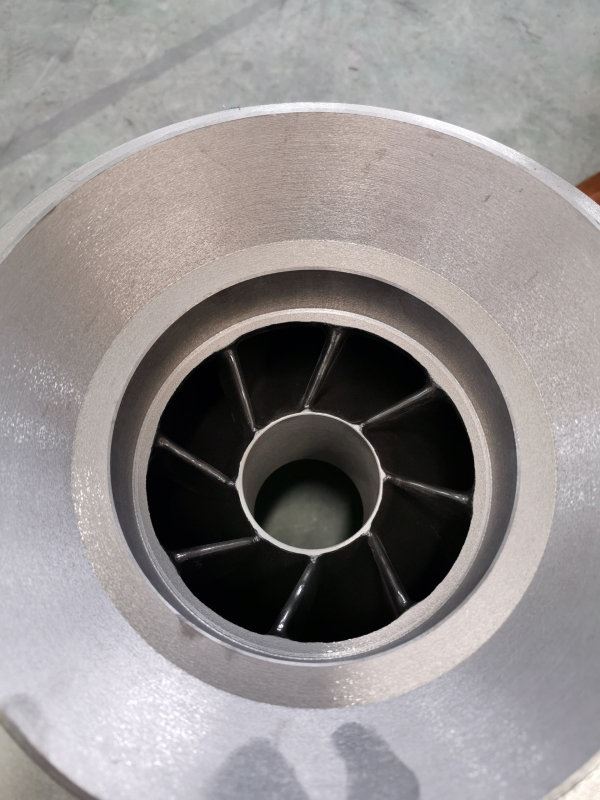

Commonly Used Materials for Pump Bowls and Their Hardness
1. Cast Iron
Cast iron is a traditional material for pump bowls. It has good castability and relatively low cost. The hardness of cast iron can vary depending on its composition and heat treatment. Generally, gray cast iron has a hardness range of about 150 - 250 HB (Brinell hardness). It is suitable for pumping clean water and some mildly corrosive fluids in low - to medium - pressure applications.
2. Stainless Steel Bowl
Stainless steel is a popular choice for pump bowls, especially in applications where corrosion resistance is required. Different grades of stainless steel have different hardness levels. For example, austenitic stainless steels like 304 and 316 typically have a lower hardness compared to martensitic stainless steels. Martensitic stainless steels can have a hardness of up to 500 HB after proper heat treatment. Stainless steel pump bowls are commonly used in chemical processing, food and beverage, and marine applications.
3. Glass - Lined Bowl
Glass - lined bowls offer excellent corrosion resistance and are often used in highly corrosive environments. The glass lining provides a hard and smooth surface. The hardness of the glass lining is very high, typically around 500 - 600 HV (Vickers hardness). However, the base material of the pump bowl also needs to have appropriate mechanical properties to support the glass lining.
4. Bronze
Bronze is another material used for pump bowls. It has good corrosion resistance and is suitable for applications involving seawater or other mildly corrosive fluids. The hardness of bronze can range from 100 - 250 HB, depending on its composition.
Determining the Optimal Material Hardness
To determine the optimal material hardness for a pump bowl, a comprehensive evaluation of the application is necessary. This involves considering the fluid properties, operating conditions, and pump design.
A common approach is to conduct a detailed analysis of the pumping system. This may include fluid sampling to determine the presence and concentration of abrasive particles, as well as monitoring the operating pressure, temperature, and flow rate. Based on this information, engineers can select the most suitable material and adjust its hardness through appropriate heat treatment or alloying processes.
In some cases, it may be beneficial to use a combination of materials. For example, a pump bowl could have a hard - surfaced inner layer to resist erosion and a more ductile outer layer to provide structural support.
Quality Control and Testing
Once the appropriate material and hardness are determined, strict quality control measures are essential during the manufacturing process. This includes regular hardness testing using methods such as Brinell, Rockwell, or Vickers hardness testing.
Non - destructive testing techniques, such as ultrasonic testing and magnetic particle testing, can also be used to detect any internal defects in the pump bowl. These tests help ensure that the pump bowl meets the required hardness and quality standards.
Conclusion
The material hardness requirement for a pump bowl is a complex issue that depends on multiple factors. As a pump bowl supplier, we understand the importance of providing high - quality products that meet the specific needs of our clients. By carefully considering the fluid characteristics, operating conditions, and pump design, we can select the most appropriate material and ensure the optimal hardness for the pump bowl.
If you are in the market for pump bowls and need assistance in determining the right material hardness for your application, we are here to help. Our team of experts can provide in - depth consultations and offer customized solutions to meet your requirements. Contact us to start a discussion about your pump bowl needs and explore the best options for your pumping system.
References
- ASM Handbook Volume 1: Properties and Selection: Irons, Steels, and High - Performance Alloys
- Pump Handbook, Third Edition by Igor Karassik et al.
- ASTM Standards related to material hardness testing and pump manufacturing