A centrifugal pump is a vital piece of equipment in various industries, from water supply and drainage to chemical processing and mining. One of the key performance indicators of a centrifugal pump is its suction lift, which refers to the vertical distance from the liquid source to the centerline of the pump impeller. Increasing the suction lift of a centrifugal pump can significantly enhance its efficiency and applicability in different scenarios. As a reputable centrifugal pump supplier, we understand the importance of this parameter and have accumulated rich experience in optimizing suction lift. In this blog, we will share some effective methods to increase the suction lift of a centrifugal pump.
Understanding the Basics of Suction Lift
Before delving into the methods of increasing suction lift, it is essential to understand the factors that affect it. The suction lift of a centrifugal pump is mainly limited by the vapor pressure of the liquid, the friction losses in the suction piping, and the atmospheric pressure. When the pressure at the suction inlet of the pump drops below the vapor pressure of the liquid, cavitation occurs. Cavitation can cause damage to the pump impeller and reduce the pump's performance. Therefore, to increase the suction lift, we need to address these factors.
Selecting the Right Pump Type
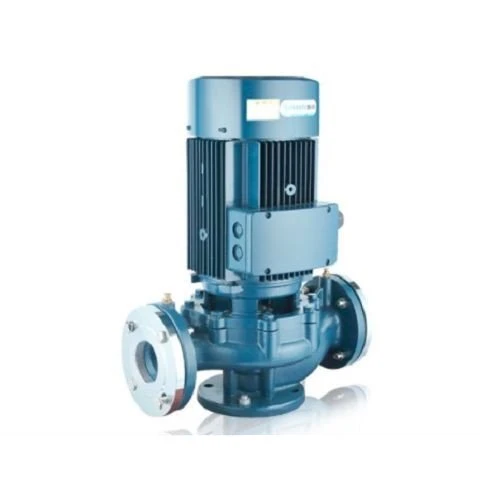
The type of centrifugal pump plays a crucial role in determining its suction lift. Different pump types have different suction capabilities. For example, the Vertical In Line Pump is designed with a vertical structure, which allows it to have a relatively high suction lift. Its compact design and efficient hydraulic performance make it suitable for applications where space is limited and a certain suction lift is required.
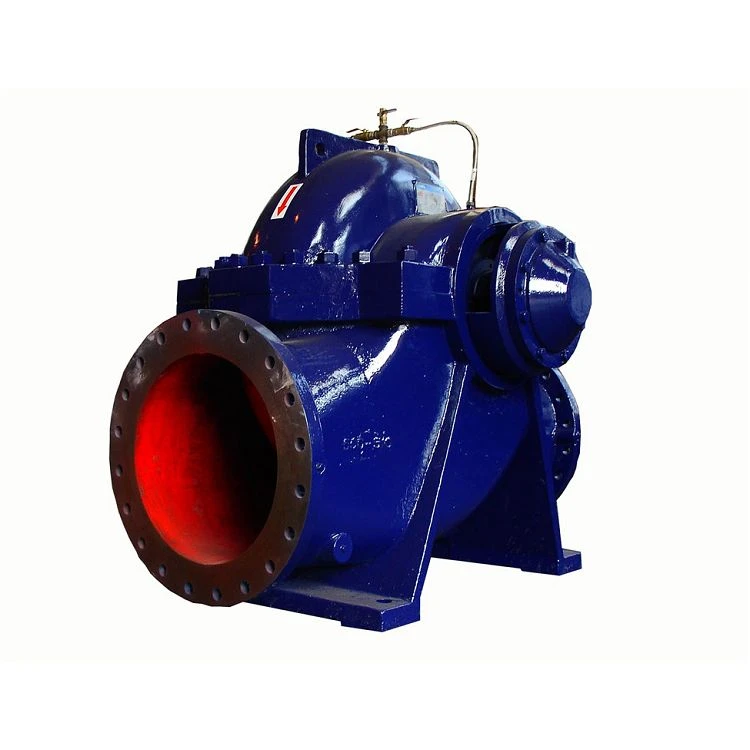
Another option is the Single Stage Double-Suction Centrifugal Pump. This type of pump has a symmetrical impeller design, which can balance the axial forces and improve the suction performance. The double-suction impeller allows the liquid to enter the impeller from both sides, reducing the velocity and pressure drop in the suction passage, thereby increasing the suction lift.
In some cases, especially when dealing with abrasive and corrosive slurries, the Slurry Pump may be a better choice. Although slurry pumps are mainly designed for handling slurries, some models are also capable of achieving a reasonable suction lift. Their robust construction and special impeller design can withstand the harsh conditions of slurry pumping while maintaining a certain suction capacity.
Optimizing the Suction Piping System
The suction piping system has a significant impact on the suction lift of the centrifugal pump. Here are some key points to consider when optimizing the suction piping:
1. Pipe Diameter
Using a larger diameter suction pipe can reduce the fluid velocity and friction losses. According to the principle of fluid mechanics, the friction loss in a pipe is proportional to the square of the fluid velocity. Therefore, by increasing the pipe diameter, we can effectively reduce the friction loss and increase the available suction lift. However, it is important to note that an overly large pipe diameter may also lead to a decrease in the fluid velocity, which can cause sedimentation in the pipe.
2. Pipe Length
Minimizing the length of the suction pipe can also reduce the friction losses. The longer the pipe, the greater the resistance the fluid has to overcome. Therefore, when designing the suction piping system, we should try to keep the pipe as short as possible. In addition, we should avoid unnecessary bends and elbows in the pipe, as they can also increase the friction losses.
3. Pipe Material
The choice of pipe material can also affect the suction lift. Smooth inner surfaces of the pipe can reduce the friction coefficient and thus the friction losses. For example, using PVC or stainless - steel pipes can provide a smoother flow path compared to cast - iron pipes.
4. Air Leakage Prevention
Any air leakage in the suction piping can cause a significant reduction in the suction lift. Air bubbles in the liquid can disrupt the flow and reduce the pressure at the suction inlet. Therefore, all joints and connections in the suction piping should be properly sealed to prevent air from entering.
Improving the Pump Installation Conditions
The installation conditions of the centrifugal pump can also have a positive impact on the suction lift.
1. Pump Elevation
The elevation of the pump relative to the liquid source is a critical factor. Installing the pump as close to the liquid source as possible can reduce the suction lift required. In some cases, submersible pumps can be used, which are installed directly in the liquid source, eliminating the need for a suction lift altogether.
2. Priming
Proper priming is essential for the normal operation of the centrifugal pump. Priming is the process of filling the pump and the suction piping with the liquid to be pumped. A well - primed pump can start more easily and achieve a higher suction lift. There are different priming methods, such as manual priming, automatic priming using a priming tank, or self - priming pumps.
Maintaining the Pump Properly
Regular maintenance of the centrifugal pump is crucial for maintaining its suction lift performance.
1. Impeller Inspection and Replacement
The impeller is the core component of the centrifugal pump. Over time, the impeller may wear out due to erosion, corrosion, or cavitation. A worn - out impeller can reduce the pump's efficiency and suction lift. Therefore, it is necessary to regularly inspect the impeller and replace it when necessary.
2. Seal Maintenance
The seals in the pump prevent the leakage of the liquid and the entry of air. Worn or damaged seals can cause air leakage, which can reduce the suction lift. Regularly checking and replacing the seals can ensure the proper operation of the pump.
3. Lubrication
Proper lubrication of the pump bearings is essential for smooth operation. Insufficient lubrication can cause increased friction and heat, which can damage the bearings and affect the pump's performance. Regularly checking and replenishing the lubricant can extend the service life of the pump and maintain its suction lift.
Conclusion
Increasing the suction lift of a centrifugal pump requires a comprehensive approach, including selecting the right pump type, optimizing the suction piping system, improving the pump installation conditions, and maintaining the pump properly. As a centrifugal pump supplier, we have a wide range of pump products and professional technical support to help you solve the problems related to suction lift. If you are interested in our products or need more information about increasing the suction lift of centrifugal pumps, please feel free to contact us for procurement and negotiation. We are committed to providing you with the best solutions and high - quality products.
References
- Karassik, I. J., Messina, J. P., Cooper, P. T., & Heald, C. C. (2008). Pump Handbook. McGraw - Hill.
- Stepanoff, A. J. (1957). Centrifugal and Axial Flow Pumps: Theory, Design, and Application. Wiley.