Balancing sea water pump parts is crucial for ensuring smooth and efficient operation of the pump. As a trusted Sea Water Pump Parts supplier, I understand the significance of this process and the impact it has on the overall performance of the pump. In this blog post, I will share some insights and practical tips on how to balance sea water pump parts effectively.
Understanding the Importance of Balancing
Before delving into the balancing process, it's essential to understand why balancing is necessary. Unbalanced pump parts can lead to a variety of issues, including excessive vibration, noise, premature wear and tear, and reduced efficiency. These problems not only affect the performance of the pump but also increase the risk of breakdowns and costly repairs.
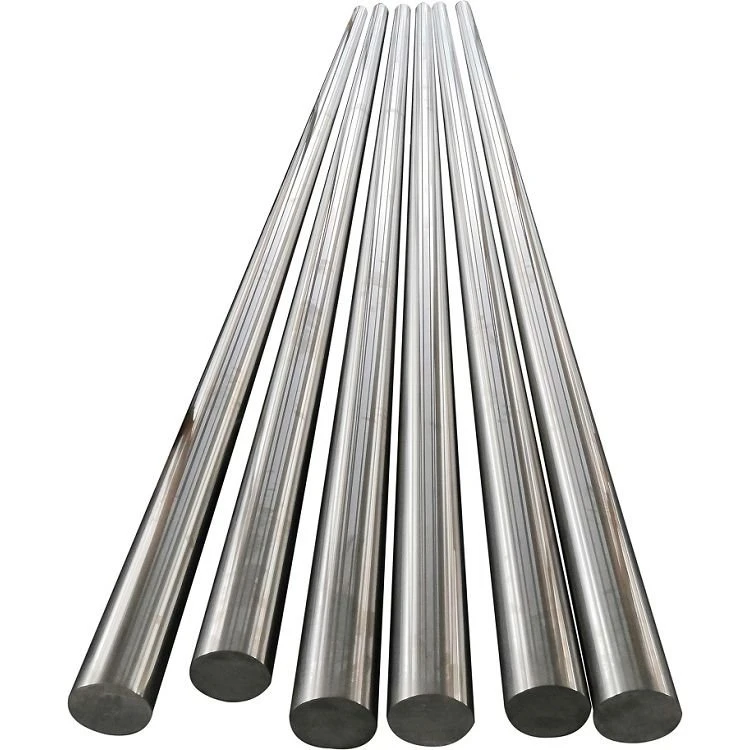
When a pump operates, the rotating parts, such as the Pump Shaft, impeller, and coupling, generate centrifugal forces. If these parts are not properly balanced, the centrifugal forces will be unevenly distributed, causing the pump to vibrate. Vibration can damage the pump bearings, seals, and other components, leading to leaks, reduced flow rates, and even complete pump failure.
In addition to reducing vibration, balancing also improves the efficiency of the pump. A balanced pump operates more smoothly, requiring less energy to maintain the same flow rate and pressure. This translates into lower operating costs and a longer lifespan for the pump.
Types of Imbalance
There are two main types of imbalance that can occur in sea water pump parts: static imbalance and dynamic imbalance.
Static Imbalance
Static imbalance occurs when the center of gravity of a rotating part is not aligned with the axis of rotation. This can happen if the part is unevenly weighted or if there is a manufacturing defect. Static imbalance causes the part to vibrate in a single plane, perpendicular to the axis of rotation.
Dynamic Imbalance
Dynamic imbalance is more complex than static imbalance and occurs when there is both a static imbalance and a couple imbalance. A couple imbalance exists when the center of gravity of a rotating part is offset from the axis of rotation in two planes. Dynamic imbalance causes the part to vibrate in multiple planes, resulting in more severe vibration and noise.
Balancing Methods
There are several methods available for balancing sea water pump parts, each with its own advantages and limitations. The choice of balancing method depends on the type and severity of the imbalance, as well as the size and complexity of the part.
Single-Plane Balancing
Single-plane balancing is used to correct static imbalance. This method involves adding or removing weight from the rotating part at a single location to bring the center of gravity into alignment with the axis of rotation. Single-plane balancing is relatively simple and can be performed using a balancing machine or by using trial weights.
Two-Plane Balancing
Two-plane balancing is used to correct dynamic imbalance. This method involves adding or removing weight from the rotating part at two locations to correct both the static and couple imbalances. Two-plane balancing is more complex than single-plane balancing and requires a more sophisticated balancing machine.
Field Balancing
Field balancing is a method of balancing pump parts on-site, without the need to remove the part from the pump. This method is often used when it is not practical or cost-effective to remove the part for balancing. Field balancing involves using a portable balancing machine to measure the vibration of the pump and then adding or removing weight to the rotating part to correct the imbalance.
Balancing Procedures
The following steps outline a general procedure for balancing sea water pump parts:
Step 1: Inspection
Before balancing the pump parts, it's important to inspect them for any signs of damage or wear. Check the Pump Shaft for straightness, the impeller for cracks or damage, and the coupling for proper alignment. Replace any damaged or worn parts before proceeding with the balancing process.
Step 2: Mounting
Mount the pump part on a balancing machine or fixture. Make sure the part is securely fastened and centered on the machine. The balancing machine will measure the vibration of the part as it rotates and provide information on the location and amount of imbalance.
Step 3: Measurement
Use the balancing machine to measure the vibration of the part at different speeds. The machine will provide a reading of the imbalance in terms of grams or ounces and the angle at which the imbalance occurs. Record these measurements for each speed.
Step 4: Calculation
Based on the measurements obtained from the balancing machine, calculate the amount and location of the weight that needs to be added or removed from the part to correct the imbalance. This calculation can be done manually or using software provided by the balancing machine manufacturer.
Step 5: Correction
Add or remove weight from the part at the specified location using the calculated amount. This can be done by drilling holes, adding weights, or using other methods depending on the type of part and the balancing method being used.
Step 6: Verification
After making the corrections, re-measure the vibration of the part using the balancing machine. Check the readings to ensure that the imbalance has been corrected within the acceptable limits. If the imbalance is still outside the acceptable limits, repeat the correction process until the desired balance is achieved.
Tips for Effective Balancing
Here are some tips to help you achieve effective balancing of sea water pump parts:
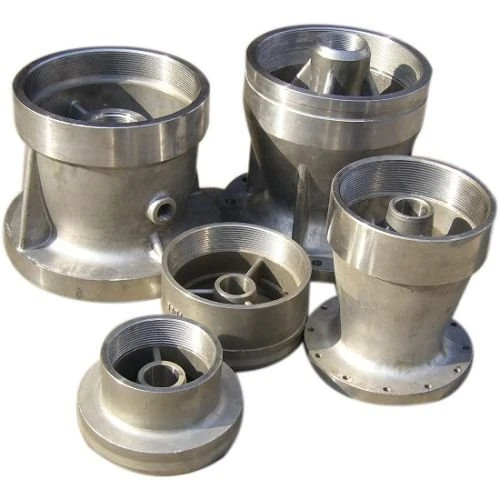
- Use High-Quality Parts: Using high-quality Sea Water Pump Parts can reduce the likelihood of imbalance and improve the overall performance of the pump. Make sure to source your parts from a reputable supplier who uses strict quality control measures.
- Follow Manufacturer's Guidelines: Always follow the manufacturer's guidelines and recommendations for balancing the pump parts. These guidelines will provide specific instructions on the balancing method, tolerances, and procedures to ensure proper operation of the pump.
- Regular Maintenance: Regular maintenance of the pump is essential for ensuring optimal performance and preventing imbalance. This includes checking the alignment of the pump and motor, lubricating the bearings, and inspecting the pump parts for wear and damage.
- Training and Experience: Balancing sea water pump parts requires specialized knowledge and skills. Make sure that the personnel responsible for balancing the parts are properly trained and have the necessary experience to perform the task accurately.
Conclusion
Balancing sea water pump parts is a critical process that can significantly improve the performance and reliability of the pump. By understanding the importance of balancing, the types of imbalance, and the balancing methods available, you can ensure that your pump operates smoothly and efficiently. As a Sea Water Pump Parts supplier, I am committed to providing high-quality parts and expert advice to help you achieve optimal pump performance.
If you have any questions or need assistance with balancing your sea water pump parts, please feel free to contact me. I would be happy to discuss your specific needs and provide you with the solutions you require.
References
- "Pump Handbook" by Igor Karassik, Joseph P. Messina, Paul Cooper, and Charles C. Heald
- "Centrifugal Pumps: Design and Application" by Heinz P. Bloch and Fred K. Geitner
- "Mechanical Vibrations" by Singiresu S. Rao