Hey there! I'm a supplier of Vertical In-Line Pumps, and today I'm gonna walk you through the process of installing a wet-pit vertical in-line pump. It might seem a bit daunting at first, but with the right steps and a bit of know-how, you'll have that pump up and running in no time.
Pre-Installation Checks
Before you even start unpacking the pump, there are a few things you need to do. First off, make sure you've got all the necessary tools. You'll typically need wrenches, screwdrivers, a level, and maybe a crane or some lifting equipment if the pump is heavy.
Check the pump and its components for any damage during transit. Look for cracks, dents, or any signs of wear and tear. If you find anything, contact us right away. We're a Vertical In Line Pump supplier, and we'll sort it out for you.
Next, take a good look at the installation site. The wet pit should be clean and free of any debris. Measure the pit to ensure it's the right size for the pump. The pit should be deep enough to submerge the pump properly and wide enough to allow for easy access during maintenance.
Mounting the Pump
Once you've done your pre-installation checks, it's time to start mounting the pump. Carefully lower the pump into the wet pit using the lifting equipment. Make sure the pump is centered and level. You can use a level to check this. If the pump isn't level, it can cause vibrations and premature wear on the pump components.
Secure the pump to the baseplate or the mounting structure. Use the appropriate bolts and nuts, and make sure they're tightened properly. You don't want the pump to move around during operation.
Connecting the Pipes
Now comes the pipe connection part. You'll need to connect the suction and discharge pipes to the pump. Make sure you use the right type of pipes and fittings. For the suction pipe, it's important to keep it as short and straight as possible to minimize friction losses.
When connecting the pipes, use gaskets to ensure a leak-free seal. Tighten the flange bolts evenly to prevent any uneven stress on the pump casing. You don't want any leaks, as they can lead to reduced pump efficiency and even damage to the pump.
Electrical Connections
The electrical connections are a crucial part of the installation process. Before you start, make sure the power supply is turned off. This is for your safety.
Connect the pump motor to the electrical supply according to the manufacturer's instructions. Use the right size of wires and make sure all the connections are secure. You might need to install a control panel to regulate the pump's operation.
Once you've made the electrical connections, double-check everything. Look for any loose wires or exposed conductors. It's better to be safe than sorry when it comes to electricity.
Testing the Pump
After you've installed the pump, it's time to test it. Fill the wet pit with water to the appropriate level. Turn on the power supply and start the pump. Listen for any unusual noises or vibrations. If you hear anything strange, stop the pump immediately and check for the cause.
Check the pressure and flow rate of the pump. You can use pressure gauges and flow meters to measure these parameters. Compare the readings with the pump's specifications. If the readings are off, you might need to adjust the pump or the system.
Maintenance Considerations
Installing the pump is just the beginning. Regular maintenance is essential to keep the pump running smoothly. Make sure you follow the manufacturer's maintenance schedule. This might include things like checking the oil level in the motor, inspecting the seals for leaks, and cleaning the pump impeller.
If you need any replacement parts or technical support, we're here for you. As a Vertical In Line Pump supplier, we've got a wide range of parts in stock, and our team of experts can help you with any issues you might encounter.
Comparison with Other Pump Types
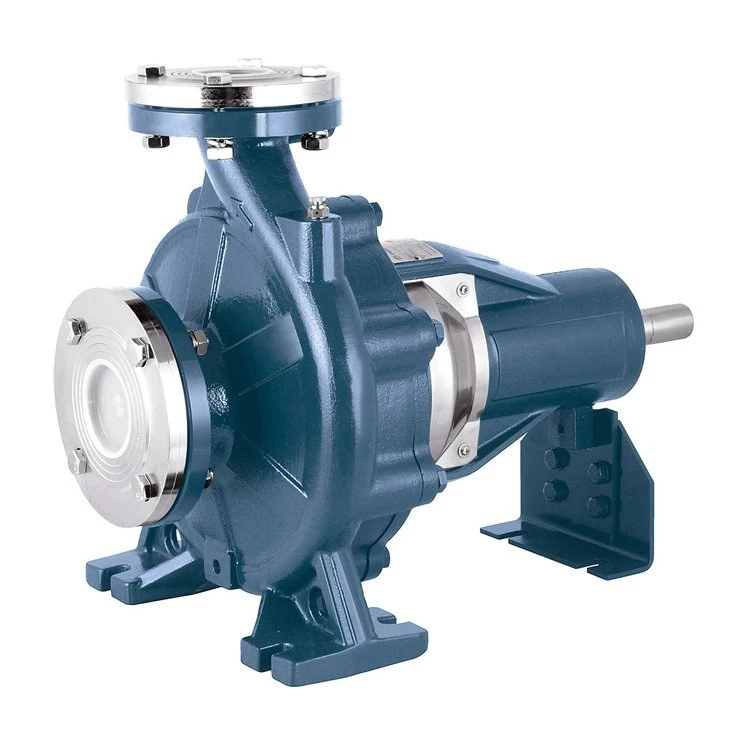
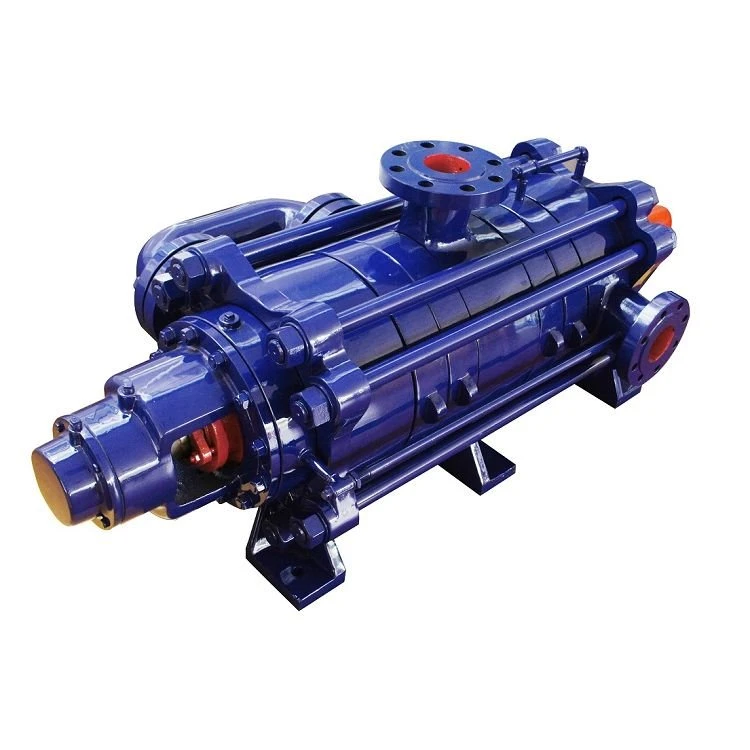
It's worth comparing the wet-pit vertical in-line pump with other types of pumps, like the End Suction Centrifugal Pump and the Mine Multistage Centrifugal Pump.
The wet-pit vertical in-line pump is great for applications where space is limited. It can be installed directly in the wet pit, which saves a lot of floor space. The end suction centrifugal pump, on the other hand, is more suitable for applications where a high flow rate is required.
The mine multistage centrifugal pump is designed for use in mining applications. It can handle high pressures and is built to withstand harsh environments. Each type of pump has its own advantages and disadvantages, so it's important to choose the right one for your specific application.
Contact Us for Your Pump Needs
If you're in the market for a wet-pit vertical in-line pump or any other type of pump, we're here to help. As a leading Vertical In Line Pump supplier, we offer high-quality pumps at competitive prices.
Whether you need help with installation, maintenance, or just have some questions about our pumps, our team of experts is ready to assist you. Contact us today to start the procurement process and let's work together to find the perfect pump solution for your needs.
References
- Manufacturer's installation and operation manual for wet-pit vertical in-line pumps.
- Industry standards and guidelines for pump installation and maintenance.