Measuring pump suction pressure is crucial for ensuring the efficient and safe operation of pumps. As a pump suction supplier, I've seen firsthand how proper pressure measurement can prevent issues and extend the life of your equipment. In this blog post, I'll walk you through the steps to measure pump suction pressure and share some tips to make the process easier.
Why Measure Pump Suction Pressure?
Before we dive into the how-to, let's talk about why measuring pump suction pressure is so important. The suction pressure of a pump affects its performance in several ways. If the suction pressure is too low, the pump may experience cavitation, which can damage the impeller and other internal components. On the other hand, if the suction pressure is too high, it can put excessive strain on the pump and lead to premature failure.
By measuring the suction pressure regularly, you can identify potential problems early and take corrective action before they cause major damage. This can save you time and money in the long run by reducing downtime and preventing costly repairs.
Tools You'll Need
To measure pump suction pressure, you'll need a few basic tools:
- Pressure Gauge: A pressure gauge is the most common tool used to measure pump suction pressure. Make sure to choose a gauge with a range that is appropriate for your pump's operating conditions.
- Pressure Tapping: You'll need a pressure tapping on the suction side of the pump to connect the pressure gauge. This can be a threaded port or a fitting that is specifically designed for pressure measurement.
- Wrenches: You'll need a set of wrenches to connect the pressure gauge to the pressure tapping. Make sure to use the correct size wrenches to avoid damaging the fittings.
Step-by-Step Guide to Measuring Pump Suction Pressure
Now that you have the tools you need, let's walk through the steps to measure pump suction pressure:
- Shut Off the Pump: Before you start measuring the suction pressure, make sure to shut off the pump and allow it to cool down. This will prevent any injuries and ensure accurate readings.
- Locate the Pressure Tapping: Find the pressure tapping on the suction side of the pump. This is usually located near the inlet of the pump.
- Connect the Pressure Gauge: Use the wrenches to connect the pressure gauge to the pressure tapping. Make sure to tighten the fittings securely to prevent any leaks.
- Open the Isolation Valve: If there is an isolation valve on the pressure tapping, open it to allow the pressure to equalize between the pump and the pressure gauge.
- Read the Pressure Gauge: Once the pressure has equalized, read the pressure gauge to determine the suction pressure of the pump. Make sure to record the reading for future reference.
- Close the Isolation Valve: After you have taken the reading, close the isolation valve to prevent any leaks.
- Disconnect the Pressure Gauge: Use the wrenches to disconnect the pressure gauge from the pressure tapping. Make sure to store the pressure gauge in a safe place for future use.
Tips for Accurate Pressure Measurement
Here are some tips to help you get accurate pressure measurements:
- Use a Calibrated Pressure Gauge: Make sure to use a calibrated pressure gauge to ensure accurate readings. You can have your pressure gauge calibrated by a professional calibration service.
- Check for Leaks: Before you take a pressure reading, check for any leaks in the pressure gauge or the pressure tapping. Leaks can cause inaccurate readings and can also be a safety hazard.
- Take Multiple Readings: To ensure accuracy, take multiple pressure readings at different times and under different operating conditions. This will give you a more comprehensive understanding of the pump's suction pressure.
- Monitor the Pressure Over Time: Regularly monitor the pump's suction pressure over time to detect any changes or trends. This can help you identify potential problems early and take corrective action before they cause major damage.
Types of Pump Suctions
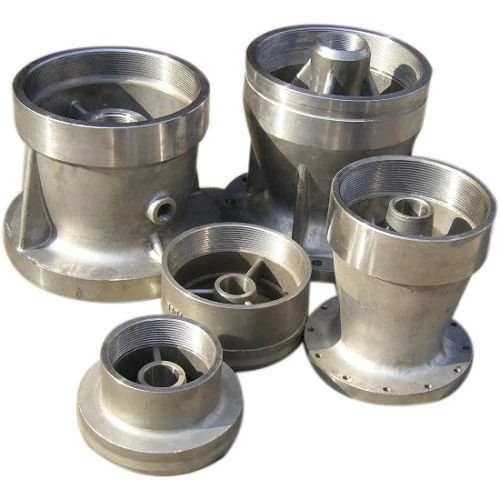
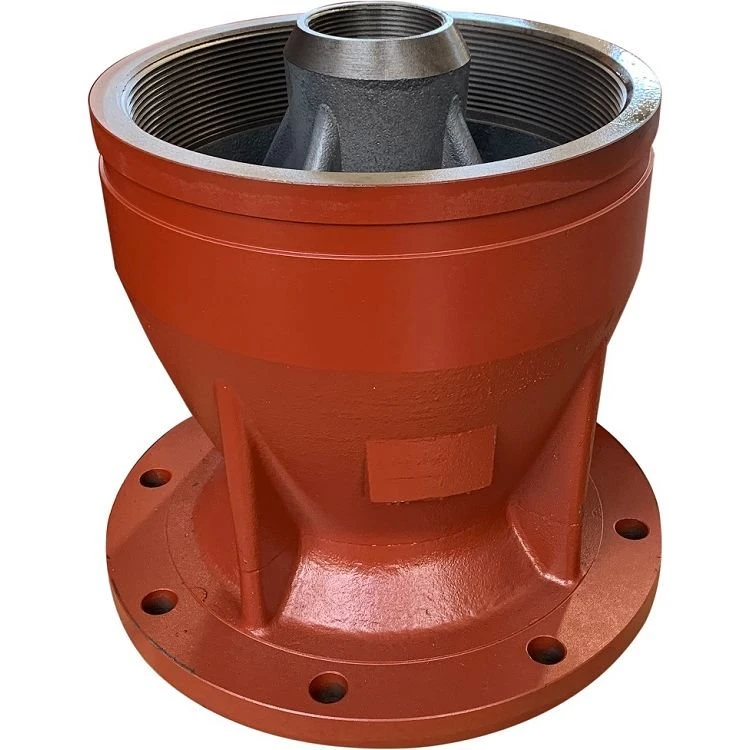
As a pump suction supplier, we offer a variety of pump suctions to meet the needs of different applications. Two of our most popular types of pump suctions are Cast Iron Pump Suction and Stainless Steel Pump Suction.
- Cast Iron Pump Suction: Cast iron pump suctions are durable and cost-effective. They are suitable for a wide range of applications, including water supply, irrigation, and industrial processes.
- Stainless Steel Pump Suction: Stainless steel pump suctions are corrosion-resistant and ideal for applications where the pump will be exposed to harsh chemicals or environments. They are commonly used in the food and beverage industry, pharmaceutical industry, and chemical processing industry.
Conclusion
Measuring pump suction pressure is an important part of maintaining the efficient and safe operation of pumps. By following the steps outlined in this blog post and using the tips provided, you can accurately measure the suction pressure of your pump and identify potential problems early. As a pump suction supplier, we offer a variety of high-quality pump suctions to meet the needs of different applications. If you have any questions or need help selecting the right pump suction for your application, please don't hesitate to contact us. We're here to help you find the best solution for your needs.
References
- "Pump Handbook" by Igor J. Karassik, Joseph P. Messina, Paul Cooper, and Charles C. Heald
- "Centrifugal Pumps: Design and Application" by Heinz P. Bloch and Fred K. Geitner
- "Pump Systems Matter: A Resource for Improving Pumping System Performance" by the U.S. Department of Energy