As a seasoned slurry pump supplier, I've witnessed firsthand the pivotal role that an optimized flow path plays in the performance and longevity of slurry pumps. In this blog post, I'll share some insights and strategies on how to optimize the flow path in a slurry pump, drawing from my years of experience in the industry.
Understanding the Basics of Slurry Pump Flow Path
Before delving into optimization strategies, it's essential to understand the basic components of a slurry pump's flow path. The flow path typically includes the suction inlet, impeller, volute or diffuser, and discharge outlet. Each component has a specific function in transporting the slurry from the source to the destination.
The suction inlet is responsible for drawing the slurry into the pump. It should be designed to minimize turbulence and prevent the entry of air or gas, which can cause cavitation and reduce pump efficiency. The impeller is the heart of the pump, converting mechanical energy into hydraulic energy to move the slurry. It should be designed to provide high efficiency and wear resistance, especially in abrasive slurry applications. The volute or diffuser is used to convert the kinetic energy of the slurry leaving the impeller into pressure energy. It should be designed to minimize losses and ensure a smooth flow of the slurry. The discharge outlet is responsible for delivering the slurry to the desired location. It should be designed to minimize backpressure and ensure a stable flow.
Factors Affecting the Flow Path in a Slurry Pump
Several factors can affect the flow path in a slurry pump, including the properties of the slurry, the design of the pump, and the operating conditions.
The properties of the slurry, such as its density, viscosity, and particle size distribution, can have a significant impact on the flow path. For example, a slurry with a high density or viscosity will require more energy to pump, and may also cause more wear on the pump components. A slurry with a large particle size distribution may also cause blockages or abrasion in the flow path.
The design of the pump, including the size and shape of the impeller, volute, and suction and discharge ports, can also affect the flow path. A well-designed pump will have a smooth and efficient flow path, minimizing losses and ensuring a stable flow. On the other hand, a poorly designed pump may have a turbulent flow path, causing cavitation, vibration, and premature wear of the pump components.
The operating conditions, such as the flow rate, pressure, and temperature, can also affect the flow path. For example, operating the pump at a high flow rate or pressure may cause cavitation or excessive wear on the pump components. Operating the pump at a low flow rate or pressure may cause the slurry to settle in the flow path, leading to blockages and reduced efficiency.
Strategies for Optimizing the Flow Path in a Slurry Pump
Based on my experience, here are some strategies for optimizing the flow path in a slurry pump:
1. Select the Right Pump Design
The first step in optimizing the flow path is to select the right pump design for the application. Consider the properties of the slurry, the required flow rate and pressure, and the operating conditions when selecting a pump. For example, if the slurry contains large particles, a pump with a large impeller and volute may be required to prevent blockages. If the slurry is highly abrasive, a pump with a wear-resistant impeller and volute may be required to minimize wear.
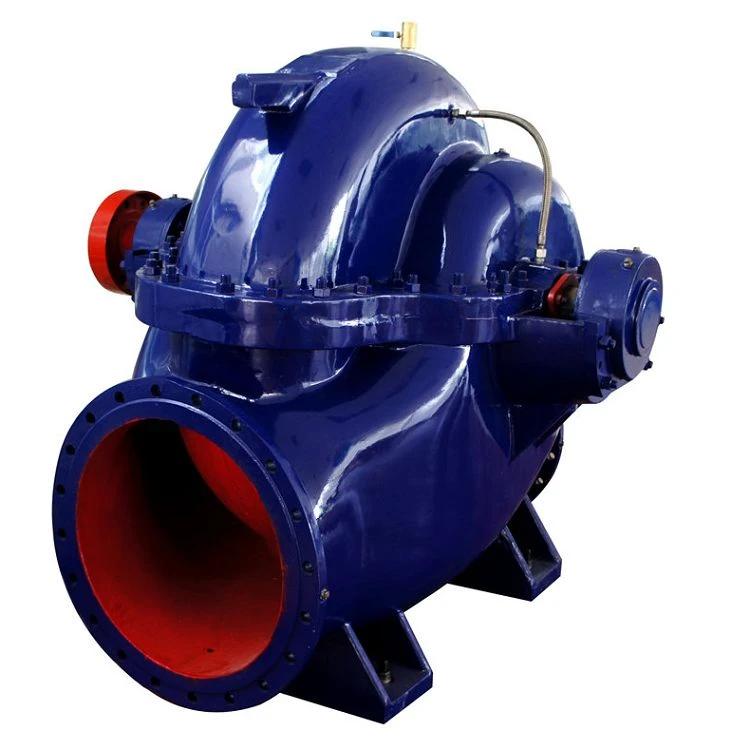
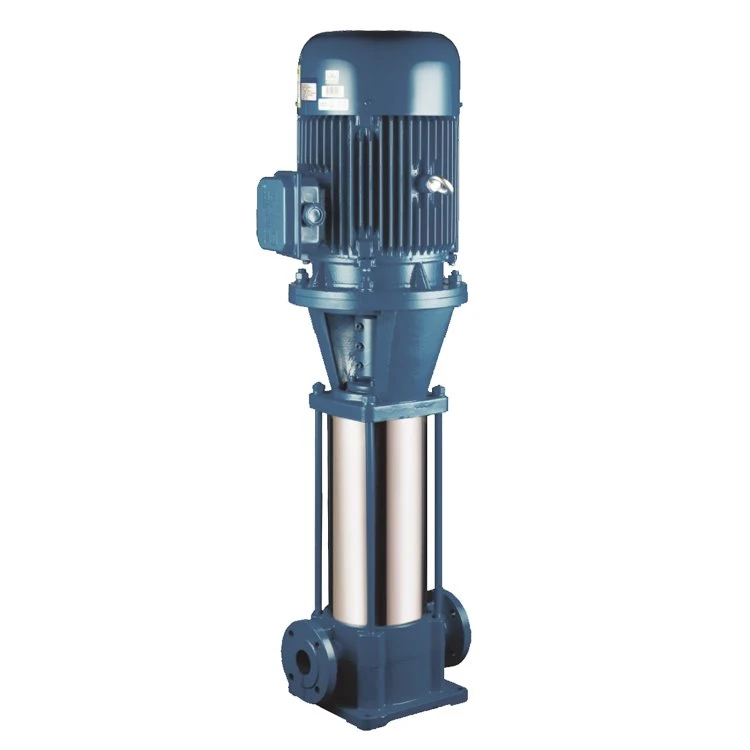
There are several types of slurry pumps available, each with its own advantages and disadvantages. For example, Horizontal Split Casing Centrifugal Pump are known for their high efficiency and ease of maintenance, while Vertical Multistage Pump are suitable for applications where space is limited. End Suction Centrifugal Pump are commonly used for low to medium flow rate applications.
2. Optimize the Impeller Design
The impeller is the most critical component in the flow path, as it is responsible for converting mechanical energy into hydraulic energy. Optimizing the impeller design can significantly improve the efficiency and performance of the pump. Consider the following factors when optimizing the impeller design:
- Number of Vanes: The number of vanes on the impeller can affect the pump's performance. A higher number of vanes can provide a smoother flow and higher efficiency, but may also increase the risk of blockages.
- Vane Shape: The shape of the vanes can also affect the pump's performance. A well-designed vane shape can minimize losses and ensure a smooth flow of the slurry.
- Impeller Diameter: The diameter of the impeller can affect the pump's flow rate and head. A larger impeller diameter can provide a higher flow rate and head, but may also require more power.
3. Minimize Turbulence in the Flow Path
Turbulence in the flow path can cause cavitation, vibration, and premature wear of the pump components. To minimize turbulence, consider the following strategies:
- Use Smooth Pipes and Fittings: Smooth pipes and fittings can minimize turbulence and ensure a smooth flow of the slurry. Avoid using sharp bends or elbows in the flow path, as these can cause turbulence and increase the risk of blockages.
- Install Flow Straighteners: Flow straighteners can be installed in the suction and discharge pipes to minimize turbulence and ensure a uniform flow of the slurry.
- Optimize the Pump Installation: Proper pump installation is essential to minimize turbulence in the flow path. Ensure that the pump is installed level and that the suction and discharge pipes are properly aligned.
4. Prevent Cavitation
Cavitation is a common problem in slurry pumps, which can cause damage to the pump components and reduce the pump's efficiency. To prevent cavitation, consider the following strategies:
- Maintain a Sufficient NPSH (Net Positive Suction Head): The NPSH is the difference between the pressure at the suction inlet and the vapor pressure of the slurry. Maintaining a sufficient NPSH can prevent cavitation from occurring.
- Use a Suction Strainer: A suction strainer can be installed in the suction pipe to prevent large particles from entering the pump and causing cavitation.
- Avoid Operating the Pump at Low Flow Rates: Operating the pump at low flow rates can cause the slurry to recirculate in the pump, increasing the risk of cavitation.
5. Monitor and Maintain the Pump
Regular monitoring and maintenance of the pump are essential to ensure its optimal performance. Consider the following strategies for monitoring and maintaining the pump:
- Monitor the Pump's Performance: Regularly monitor the pump's flow rate, pressure, and power consumption to ensure that it is operating within its design parameters.
- Inspect the Pump Components: Regularly inspect the pump components, such as the impeller, volute, and seals, for wear and damage. Replace any worn or damaged components as soon as possible.
- Clean the Pump and Pipes: Regularly clean the pump and pipes to prevent the buildup of sediment and debris, which can cause blockages and reduce the pump's efficiency.
Conclusion
Optimizing the flow path in a slurry pump is essential to ensure its optimal performance and longevity. By selecting the right pump design, optimizing the impeller design, minimizing turbulence in the flow path, preventing cavitation, and monitoring and maintaining the pump, you can significantly improve the efficiency and reliability of your slurry pump.
If you're in the market for a slurry pump or need help optimizing the flow path in your existing pump, please don't hesitate to contact us. Our team of experts can provide you with the latest information and guidance on slurry pump selection, installation, and maintenance. We're committed to providing our customers with the highest quality products and services, and we look forward to working with you.
References
- "Slurry Pump Handbook" by J. A. Stepanoff
- "Centrifugal Pumps: Design and Application" by I. J. Karassik
- "Pump Handbook" by Igor J. Karassik, Joseph P. Messina, Paul Cooper, and Charles C. Heald