When it comes to the efficient operation of a pump, the impeller plays a crucial role. As a seasoned Pump Impeller supplier, I've encountered numerous inquiries regarding the measurement of pump impeller diameter. In this blog post, I'll delve into the various methods and considerations for accurately measuring the diameter of a pump impeller.
Why Measuring Pump Impeller Diameter is Important
Before we jump into the measurement techniques, it's essential to understand why measuring the impeller diameter is so crucial. The diameter of the impeller directly affects the pump's performance characteristics, including flow rate, head, and efficiency. A correctly sized impeller ensures that the pump operates at its optimal level, delivering the required flow and pressure for the specific application. Incorrect impeller diameter can lead to reduced efficiency, increased energy consumption, and even premature pump failure.
Types of Pump Impellers
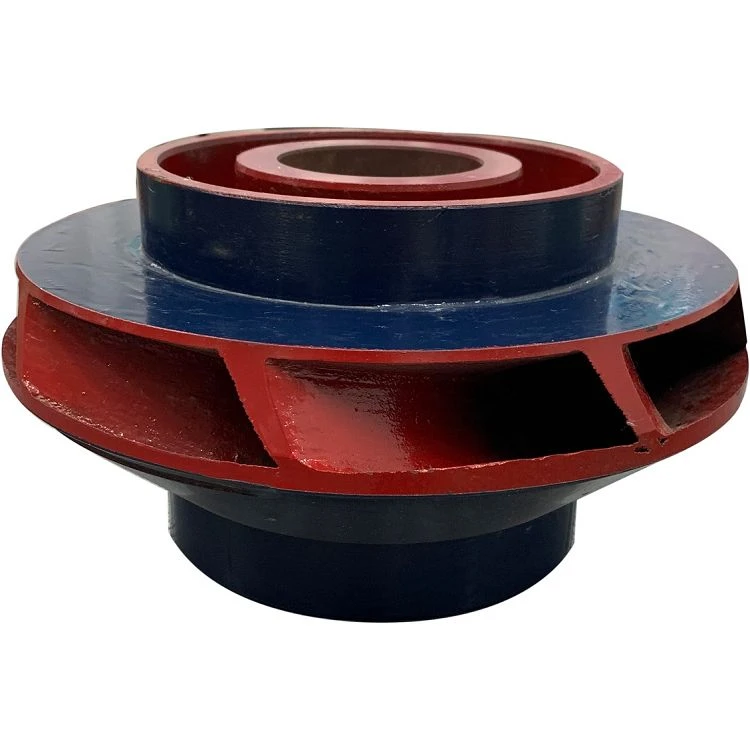
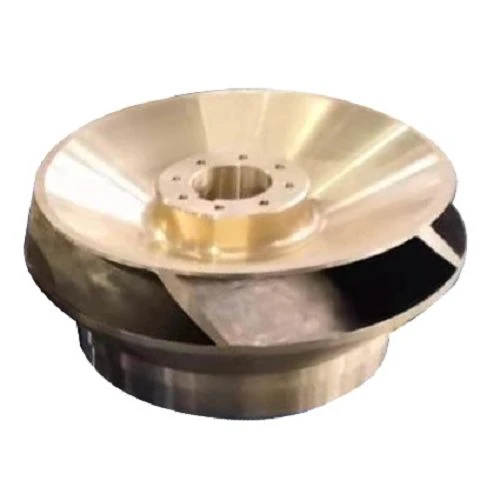
There are several types of pump impellers available in the market, each designed for specific applications. As a supplier, we offer a wide range of impellers, including Cast Iron Pump Impeller, Bronze Pump Impeller, and Stainless Steel Pump Impeller. The choice of material depends on factors such as the type of fluid being pumped, the operating conditions, and the required durability.
Measuring Tools
To accurately measure the diameter of a pump impeller, you'll need the right tools. Here are some commonly used tools for this purpose:
- Calipers: Vernier calipers or digital calipers are ideal for measuring the outer diameter of the impeller. They provide precise measurements and are easy to use.
- Micrometers: Micrometers offer even higher accuracy than calipers and are suitable for measuring small impellers or when a very precise measurement is required.
- Ruler or Tape Measure: For larger impellers, a ruler or tape measure can be used to get a rough estimate of the diameter. However, this method is less accurate than using calipers or micrometers.
Measuring Methods
There are two main methods for measuring the diameter of a pump impeller: direct measurement and indirect measurement.
Direct Measurement
Direct measurement involves physically measuring the outer diameter of the impeller using calipers or a micrometer. Here's how you can do it:
- Prepare the Impeller: Make sure the impeller is clean and free from any debris or dirt. This will ensure accurate measurements.
- Position the Measuring Tool: Place the calipers or micrometer around the outer edge of the impeller at the widest point. Make sure the tool is perpendicular to the axis of the impeller.
- Take the Measurement: Gently close the calipers or micrometer until they touch the outer surface of the impeller. Read the measurement on the scale or digital display.
- Repeat the Measurement: To ensure accuracy, take multiple measurements at different points around the impeller and calculate the average.
Indirect Measurement
Indirect measurement is used when it's not possible to directly measure the outer diameter of the impeller, such as when the impeller is installed in the pump. Here's how you can measure the diameter indirectly:
- Measure the Circumference: Use a flexible tape measure or a string to measure the circumference of the impeller at the widest point. Make sure the tape measure or string is wrapped tightly around the impeller.
- Calculate the Diameter: Once you have the circumference, you can calculate the diameter using the formula: Diameter = Circumference / π (where π is approximately 3.14159).
Considerations
When measuring the diameter of a pump impeller, there are several factors to consider:
- Tolerance: Pump impellers are manufactured with a certain tolerance, which means the actual diameter may vary slightly from the specified diameter. Make sure to take this into account when measuring the impeller.
- Wear and Tear: Over time, the impeller may wear down due to friction and erosion. This can affect the diameter of the impeller and its performance. If you suspect wear and tear, it's important to measure the impeller regularly and replace it if necessary.
- Installation: When installing a new impeller, make sure it's properly aligned and centered in the pump. An incorrectly installed impeller can cause uneven wear and reduce the pump's efficiency.
Conclusion
Measuring the diameter of a pump impeller is an important step in ensuring the efficient operation of the pump. By using the right tools and methods, you can accurately measure the diameter and make informed decisions about the impeller's performance and replacement. As a Pump Impeller supplier, we're committed to providing high-quality impellers and expert advice to our customers. If you have any questions or need assistance with measuring the diameter of a pump impeller, please don't hesitate to contact us. We'll be happy to help you find the right solution for your needs.