As a supplier of Slurry Pumps, I've witnessed firsthand the pivotal role these pumps play in various industries, from mining and construction to wastewater treatment. The efficiency of a slurry pump is not just about getting the job done; it's about doing it cost - effectively, reducing downtime, and ensuring long - term reliability. In this blog, I'll share some practical strategies on how to improve the efficiency of a slurry pump.
1. Proper Pump Selection
The first step in ensuring high - efficiency operation of a slurry pump is selecting the right pump for the specific application. Different applications have different requirements in terms of flow rate, head, and the nature of the slurry. For instance, if you're dealing with a highly abrasive slurry, a pump with a robust impeller and casing material is essential.
When choosing a pump, consider the following factors:
- Flow Rate and Head: Calculate the required flow rate and head accurately. An oversized pump will consume more energy than necessary, while an undersized pump may not be able to meet the operational demands, leading to inefficiencies. You can use flow rate and head calculations based on the system requirements, taking into account factors such as pipeline length, diameter, and elevation changes.
- Slurry Characteristics: The concentration, particle size, and abrasiveness of the slurry are crucial. For highly abrasive slurries, pumps with hard - wearing materials like high - chrome alloys are recommended. On the other hand, for less abrasive slurries, standard materials may suffice.
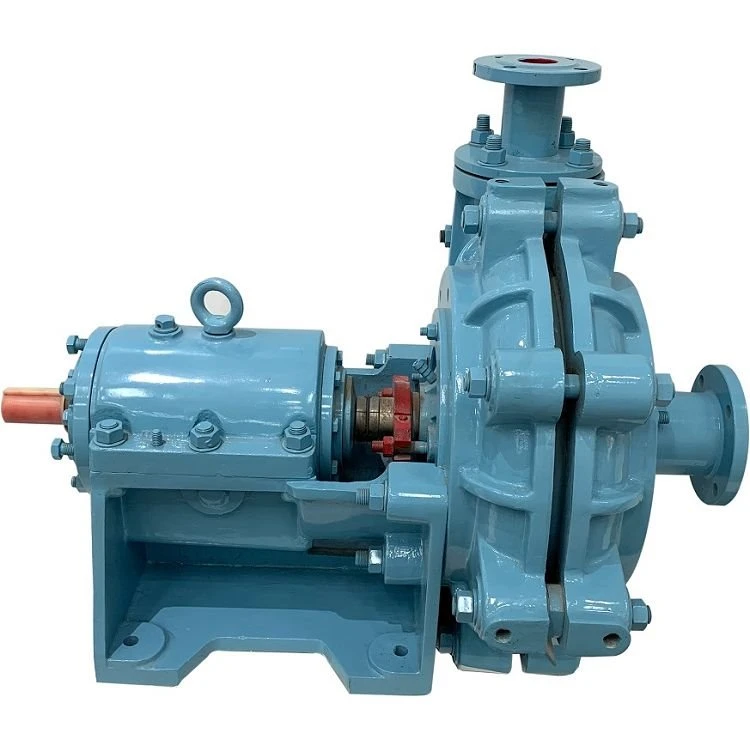
As a supplier, we offer a wide range of pumps, including the Slurry Pump which is designed to handle various types of slurries efficiently.
2. Optimal Operating Conditions
Maintaining optimal operating conditions is key to improving the efficiency of a slurry pump.
- Speed Control: Running the pump at the right speed is essential. Variable speed drives (VSDs) can be used to adjust the pump speed according to the actual demand. By reducing the speed when the full capacity is not required, energy consumption can be significantly reduced. For example, in a mining operation where the slurry flow rate varies throughout the day, a VSD - equipped slurry pump can adjust its speed to match the flow rate, resulting in energy savings.
- Suction Conditions: Ensure proper suction conditions. A clogged suction line or improper submergence can lead to cavitation, which not only reduces pump efficiency but also causes damage to the pump components. Make sure the suction line is clean and free from debris, and the pump is submerged at the correct depth.
3. Regular Maintenance
Regular maintenance is crucial for the long - term efficiency of a slurry pump.
- Inspection and Lubrication: Regularly inspect the pump components, including the impeller, casing, bearings, and seals. Check for signs of wear, corrosion, or damage. Lubricate the bearings as per the manufacturer's recommendations to ensure smooth operation. For example, a worn - out impeller can cause a significant drop in pump efficiency, so timely replacement is necessary.
- Alignment: Proper alignment of the pump and motor is essential. Misalignment can lead to increased vibration, which not only reduces efficiency but also shortens the lifespan of the pump components. Use precision alignment tools to ensure that the pump and motor are perfectly aligned.
4. Use of Advanced Technologies
The use of advanced technologies can greatly enhance the efficiency of a slurry pump.
- Computational Fluid Dynamics (CFD): CFD simulations can be used to optimize the pump design. By analyzing the fluid flow inside the pump, engineers can make design improvements to reduce energy losses and improve the overall performance. For example, CFD can help in designing an impeller with a more efficient shape, which can increase the pump's hydraulic efficiency.
- Smart Monitoring Systems: Install smart monitoring systems that can continuously monitor the pump's performance parameters such as flow rate, head, power consumption, and vibration. These systems can detect early signs of problems and provide real - time alerts, allowing for timely maintenance and troubleshooting.
5. System Optimization
Optimizing the entire pumping system can also improve the efficiency of the slurry pump.
- Pipeline Design: The design of the pipeline has a significant impact on the pump's performance. Use the appropriate pipe diameter to minimize friction losses. Avoid unnecessary bends and fittings, as they can increase the resistance to flow. For example, a well - designed pipeline with a smooth inner surface can reduce the energy required to pump the slurry.
- Parallel Pumping: In some cases, using multiple pumps in parallel can be more efficient than using a single large pump. This allows for better load sharing and the ability to adjust the pumping capacity according to the demand.
6. Training for Operators
Proper training for operators is essential to ensure the efficient operation of the slurry pump.
- Operating Procedures: Train the operators on the correct operating procedures, including starting and stopping the pump, adjusting the speed, and monitoring the performance parameters. A well - trained operator can identify and address potential problems quickly, which can improve the pump's efficiency and reliability.
- Safety Awareness: Train the operators on safety procedures to prevent accidents and ensure a safe working environment. Safety is not only important for the well - being of the operators but also for the proper operation of the pump.
7. Comparison with Other Pump Types
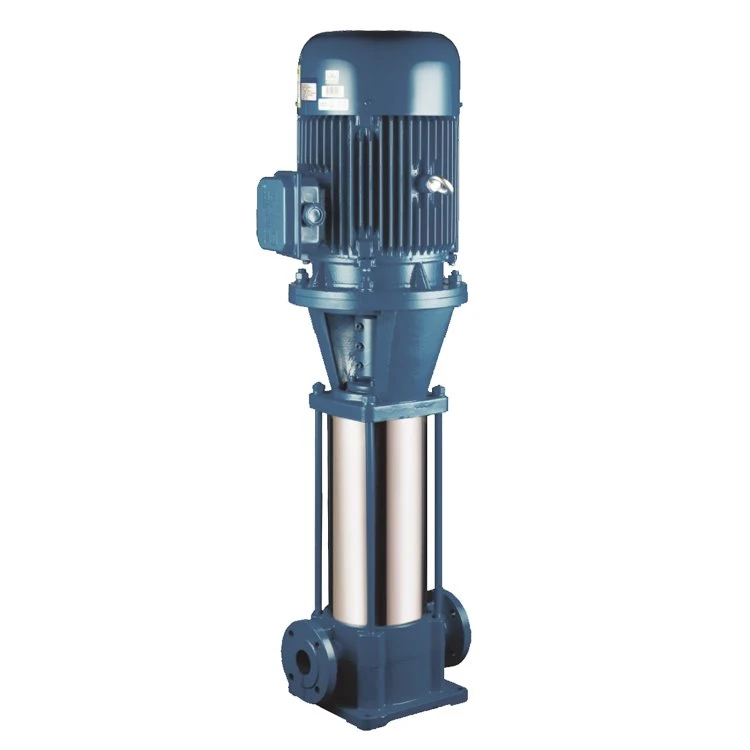
It's also worth comparing the slurry pump with other types of pumps to understand its advantages and limitations. For example, the Vertical Multistage Pump is suitable for applications where high head is required, while the Single Stage Double - Suction Centrifugal Pump is often used for large - flow applications. Understanding these differences can help in choosing the most appropriate pump for a specific application, which in turn can improve the overall efficiency of the pumping system.
In conclusion, improving the efficiency of a slurry pump requires a comprehensive approach that includes proper pump selection, optimal operating conditions, regular maintenance, use of advanced technologies, system optimization, training for operators, and an understanding of different pump types. By implementing these strategies, you can not only improve the performance of your slurry pump but also reduce operating costs and increase the lifespan of the pump.
If you're interested in improving the efficiency of your slurry pumping system or are looking for high - quality slurry pumps, we're here to help. Our team of experts can provide you with personalized solutions based on your specific requirements. Contact us to start a procurement discussion and take your slurry pumping operations to the next level.
References
- [1] Pump Handbook, 4th Edition, Karassik, I. J., Messina, J. P., Cooper, P. & Heald, C. C.
- [2] Principles of Pumping Machinery, Stepanoff, A. J.
- [3] Hydraulic Pumps: Fundamentals, Types, and Applications, Banaszak, P.