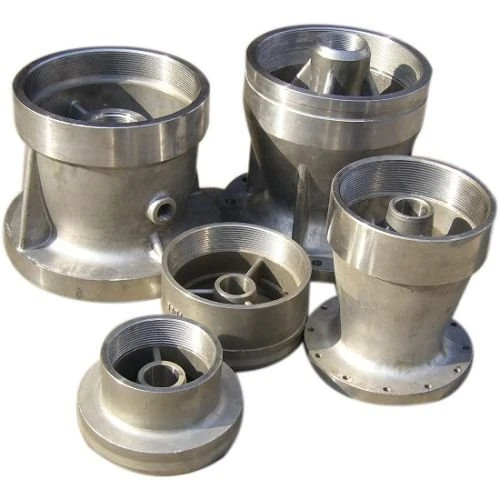
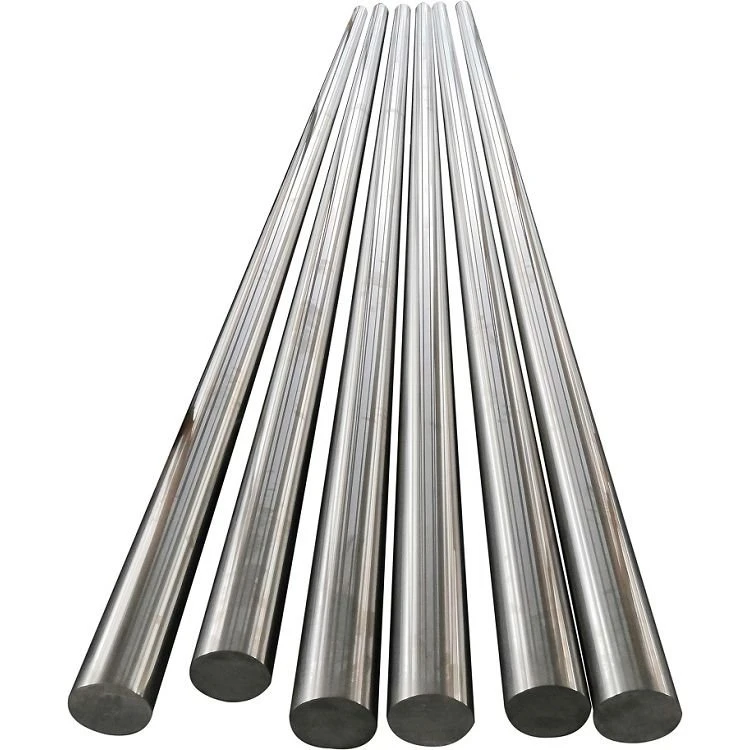
Hey there! I'm a supplier of Pump Shaft, and today I'm gonna share with you how to measure the straightness of a pump shaft. It's a crucial aspect, especially when you're dealing with high - performance pumps or parts like Sea Water Pump Parts.
Why Measuring Shaft Straightness Matters
First off, let's talk about why it's so important to measure the straightness of a pump shaft. A bent or misaligned shaft can lead to a whole bunch of problems. For starters, it can cause excessive vibration in the pump. This vibration not only shortens the lifespan of the pump but also can lead to premature wear and tear of other components. Imagine the stress on the bearings and seals when the shaft isn't straight – they're gonna take a beating!
Secondly, a non - straight shaft can affect the efficiency of the pump. When the shaft is bent, the impeller attached to it won't rotate smoothly. This means the pump won't be able to move fluid as effectively as it should, leading to higher energy consumption and lower output. So, measuring the straightness of the pump shaft is a must if you want your pump to work at its best.
Tools You'll Need
Before you start measuring, you need to gather the right tools. Here are some common ones:
- Dial Indicator: This is a super useful tool. It can measure small linear distances with high precision. You'll use it to detect any deviations in the shaft's straightness.
- V - Blocks: These are used to support the pump shaft during the measurement. They provide a stable base and ensure that the shaft is held in place correctly.
- Surface Plate: A flat surface plate is essential. It gives you a reference plane against which you can measure the shaft's straightness.
The Measurement Process
Step 1: Preparation
First, clean the pump shaft thoroughly. Any dirt, grease, or debris on the shaft can affect the accuracy of your measurement. Make sure to wipe it down with a clean, dry cloth.
Next, set up your surface plate on a stable surface. Place the V - blocks on the surface plate. The V - blocks should be positioned in such a way that they can support the shaft at appropriate points. Usually, you'll want to place them near the ends of the shaft.
Step 2: Mounting the Dial Indicator
Mount the dial indicator on a magnetic base. The magnetic base allows you to attach the dial indicator to the surface plate. Position the dial indicator so that its plunger is perpendicular to the surface of the pump shaft. The tip of the plunger should touch the shaft at the point where you want to start the measurement.
Step 3: Initial Reading
Zero the dial indicator. This means setting the pointer to the zero position on the dial. Once you've zeroed it, you're ready to start taking measurements.
Step 4: Taking Measurements
Slowly rotate the pump shaft by hand. As you rotate the shaft, the dial indicator will show any deviations in the shaft's straightness. Take readings at regular intervals around the circumference of the shaft. You can mark these intervals with a piece of chalk or tape for better organization.
For a more comprehensive measurement, you can also take readings along the length of the shaft. Move the dial indicator along the shaft in small increments and take readings at each position. This will give you a detailed picture of the shaft's straightness along its entire length.
Step 5: Analyzing the Results
Once you've taken all the readings, it's time to analyze them. Look for any patterns in the deviations. If the deviations are consistent in one area, it could indicate a bend in the shaft. Calculate the maximum and minimum readings. The difference between these two values is the total indicated runout (TIR), which is a measure of the shaft's straightness.
Dealing with Deviations
If you find that the shaft has significant deviations from straightness, you have a few options. One option is to try and straighten the shaft. This can be done using a hydraulic press or a shaft straightening machine. However, this requires a certain level of skill and experience. If you're not confident in your ability to straighten the shaft, it's best to replace it.
At our company, we offer high - quality Pump Shaft that are carefully manufactured to ensure maximum straightness. Our shafts are made from top - grade materials and undergo strict quality control measures. So, if you're in need of a new pump shaft, we've got you covered.
Tips for Accurate Measurement
- Temperature Control: Temperature can affect the measurement. Try to perform the measurement in a controlled environment where the temperature is stable. Changes in temperature can cause the shaft to expand or contract, which can lead to inaccurate readings.
- Multiple Measurements: Don't rely on just one set of measurements. Take multiple sets of measurements at different times to ensure consistency. This will give you a more accurate picture of the shaft's straightness.
When to Replace the Shaft
Even if you manage to straighten a bent shaft, it might not be as reliable as a new one. Over time, the straightened shaft may develop new bends or cracks due to the stress it has endured. Here are some signs that it's time to replace the pump shaft:
- Excessive Vibration: If the pump continues to vibrate even after you've tried to straighten the shaft, it's a sign that the shaft may be too damaged and needs to be replaced.
- Wear and Tear: If you notice excessive wear on the bearings or seals, it could be due to a bent shaft. In this case, replacing the shaft along with the worn - out components is a good idea.
Conclusion
Measuring the straightness of a pump shaft is a vital process that can save you a lot of headaches in the long run. By using the right tools and following the proper measurement techniques, you can ensure that your pump shaft is in good condition. And if you find that your shaft is beyond repair, don't hesitate to reach out to us. We're here to provide you with top - notch Pump Shaft and Sea Water Pump Parts. If you're interested in purchasing our products or have any questions about pump shaft straightness, feel free to contact us for a procurement discussion.
References
- "Mechanical Measurement Handbook"
- "Pump Maintenance and Troubleshooting Guide"