Hey there! As a supplier of Pump Control Panel, I've seen my fair share of pump - control - panel mishaps and learned a ton about how to operate these things safely. So, let's dive right in and talk about the ins and outs of keeping things safe when dealing with a pump control panel.
Pre - operation Checks
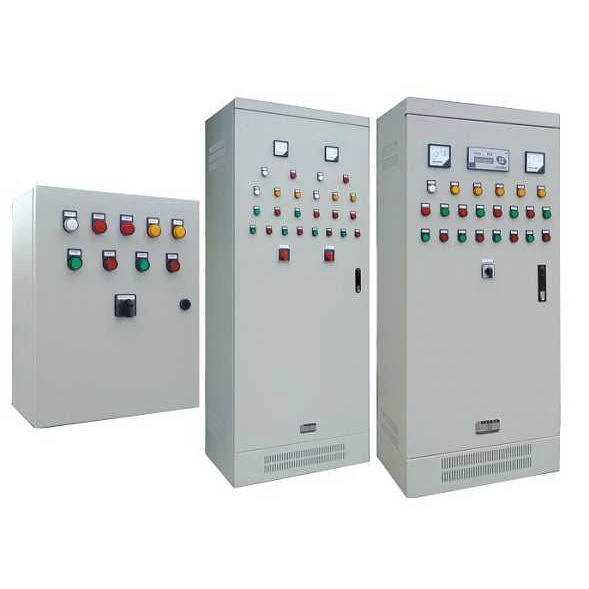
Before you even think about powering up that pump control panel, you've got to do a thorough pre - operation check. First off, have a look at the physical condition of the panel. Check if there are any visible signs of damage like cracks, dents, or frayed wires. A damaged panel can be a major safety hazard, so it's crucial to spot these issues early.
Inspect the wiring connections. Make sure all the wires are tightly connected and there are no loose ends. Loose connections can lead to short circuits, which not only damaged the panel but can also pose an electrocution risk. Check for any corrosion on the terminals as well. Corrosion can interfere with the electrical flow and cause the panel to malfunction.
Next, look at the control switches and buttons. They should move freely and without any resistance. If you notice any sticking or unusual behavior, it could be a sign that something is wrong inside the panel.
Also, check the labels on the panel. Make sure all the functions are clearly marked. If you've got a custom - made panel, make sure the labels match the actual functions. This will help you avoid any confusion during operation.
Electrical Safety
Electrical safety is a top priority when operating a pump control panel. First, always make sure you're using the right power supply. Check the voltage and current requirements of the panel and make sure your power source matches. Using the wrong power supply can damage the panel and even cause a fire.
When working on the panel, always turn off the power first. This might seem obvious, but you'd be surprised how many people forget this simple rule. Use a voltage tester to double - check that the power is off before you start touching any wires or components.
Wear appropriate personal protective equipment (PPE). This includes insulated gloves and safety glasses. Insulated gloves will protect you from electric shocks, and safety glasses will protect your eyes from any flying debris in case of a short circuit or other electrical malfunction.
If you need to work on the panel in wet conditions, be extra careful. Water and electricity don't mix well. Make sure the panel is properly insulated and that you're using waterproof PPE. If possible, avoid working on the panel in wet conditions altogether.
Understanding the Controls
To operate a pump control panel safely, you need to understand how the controls work. Take the time to read the user manual. It might seem boring, but it's full of important information about the panel's functions, settings, and safety precautions.
Most pump control panels have basic controls like start, stop, and speed adjustment. Familiarize yourself with how to use these controls properly. For example, when starting the pump, make sure you follow the correct sequence. Starting the pump in the wrong way can put too much stress on the motor and other components.
Some panels also have advanced features like automatic shut - off and alarm systems. Learn how these features work and what they mean. An alarm system can alert you to potential problems, such as low water levels or overheating. Knowing how to respond to these alarms quickly can prevent major damage.
Maintenance and Monitoring
Regular maintenance is key to keeping your pump control panel operating safely. Set up a maintenance schedule and stick to it. This should include things like cleaning the panel, checking the wiring, and testing the controls.
Clean the panel regularly to prevent dust and debris from building up. Dust can cause overheating and other problems. Use a soft brush or compressed air to clean the inside of the panel. Just make sure the power is off before you start cleaning.
Monitor the panel during operation. Keep an eye on the indicators and gauges. If you notice any abnormal readings, like a sudden increase in temperature or a drop in voltage, stop the pump immediately and investigate the problem.
Replace any worn - out or damaged components as soon as possible. Don't try to patch things up with temporary fixes. This can lead to more serious problems down the road.
Training and Certification
If you're going to be operating a pump control panel, it's a good idea to get some training. Many pump control panel manufacturers offer training courses. These courses can teach you everything from the basics of operation to advanced troubleshooting techniques.
Getting a certification can also boost your confidence and knowledge. A certification shows that you've met certain standards and have the skills to operate the panel safely. It can also be a requirement in some industries.
Emergency Procedures
Even if you follow all the safety rules, emergencies can still happen. That's why it's important to have a set of emergency procedures in place.
In case of a fire, have a fire extinguisher nearby and know how to use it. Different types of fires require different types of extinguishers, so make sure you have the right one for electrical fires.
If someone gets an electric shock, turn off the power immediately. Then, call for medical help right away. Don't try to move the person unless it's absolutely necessary.
If there's a major malfunction in the panel, stop the pump and isolate the power source. Evacuate the area if necessary and contact a professional for repairs.
Conclusion
Operating a pump control panel safely is all about being prepared, taking precautions, and knowing what to do in case of an emergency. By following these tips, you can reduce the risk of accidents and keep your pump control panel running smoothly.
If you're in the market for a high - quality Pump Control Panel, we've got you covered. We offer a wide range of pump control panels that are designed with safety in mind. Whether you're looking for a basic panel or one with advanced features, we can help you find the right one for your needs. If you have any questions or want to discuss your requirements, feel free to reach out and start a conversation. We're here to assist you with all your pump control panel needs.
References
- Pump Control Panel User Manuals
- Electrical Safety Standards for Industrial Equipment
- OSHA Guidelines for Electrical Equipment Operation