As a pump casting supplier, I've witnessed firsthand the intricate balance between industrial production and environmental stewardship. Pump casting is a crucial process in manufacturing pumps used across various industries, from water treatment to oil and gas. However, it's essential to understand the environmental impacts associated with this process to drive sustainable practices and minimize our ecological footprint.
1. Energy Consumption
One of the most significant environmental impacts of pump casting is the high energy consumption involved in the process. Melting metals such as stainless steel, cast iron, and ductile iron requires large amounts of heat, typically generated from fossil fuels like coal, natural gas, or oil. The energy-intensive nature of melting and pouring these metals contributes to greenhouse gas emissions, primarily carbon dioxide (CO2), which is a major driver of climate change.
For instance, in stainless steel pump casting, the melting process often occurs at temperatures exceeding 1,500 degrees Celsius. This high-temperature requirement demands substantial energy input, leading to increased CO2 emissions. Similarly, cast iron casting and Ductile Iron Casting also consume significant amounts of energy during melting and subsequent processing steps.
To mitigate the energy consumption and associated emissions, our company is actively exploring alternative energy sources and energy-efficient technologies. We're investing in research and development to optimize our melting processes, such as using electric arc furnaces powered by renewable energy sources like solar or wind. These initiatives not only reduce our carbon footprint but also contribute to long-term cost savings and energy independence.
2. Air Pollution
Pump casting operations can release various pollutants into the air, posing significant health and environmental risks. During the melting and pouring of metals, volatile organic compounds (VOCs), particulate matter (PM), and heavy metals such as lead, cadmium, and mercury can be emitted. These pollutants can have detrimental effects on air quality, human health, and the surrounding ecosystem.
VOCs are released from the coatings, lubricants, and binders used in the casting process. These compounds can react with sunlight and other pollutants in the atmosphere to form ground-level ozone, a harmful air pollutant that can cause respiratory problems, eye irritation, and damage to vegetation. Particulate matter, including fine dust and fumes, can also be inhaled into the lungs, leading to respiratory diseases and other health issues.
Heavy metals emitted during pump casting can accumulate in the environment and pose long-term risks to human health and wildlife. For example, lead exposure can cause neurological damage, especially in children, while mercury can contaminate water bodies and accumulate in the food chain.
To address air pollution concerns, our company has implemented strict air quality control measures. We've installed advanced ventilation systems and air filtration devices in our casting facilities to capture and remove pollutants before they are released into the atmosphere. Additionally, we're using environmentally friendly coatings and lubricants that contain lower levels of VOCs and other harmful chemicals.
3. Water Pollution
Water is an essential resource in pump casting operations, used for cooling, cleaning, and various other processes. However, the improper management of water can lead to water pollution, affecting aquatic ecosystems and human health.
During the casting process, water can become contaminated with heavy metals, oils, greases, and other pollutants. If this contaminated water is discharged into water bodies without proper treatment, it can cause significant environmental damage. Heavy metals can accumulate in sediment and aquatic organisms, leading to bioaccumulation and biomagnification in the food chain. Oils and greases can form a layer on the water surface, preventing oxygen from entering the water and suffocating aquatic life.
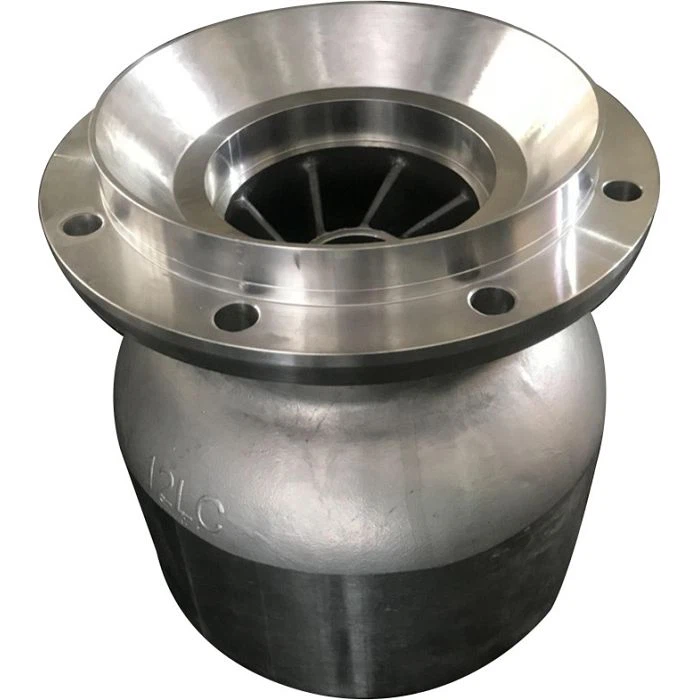
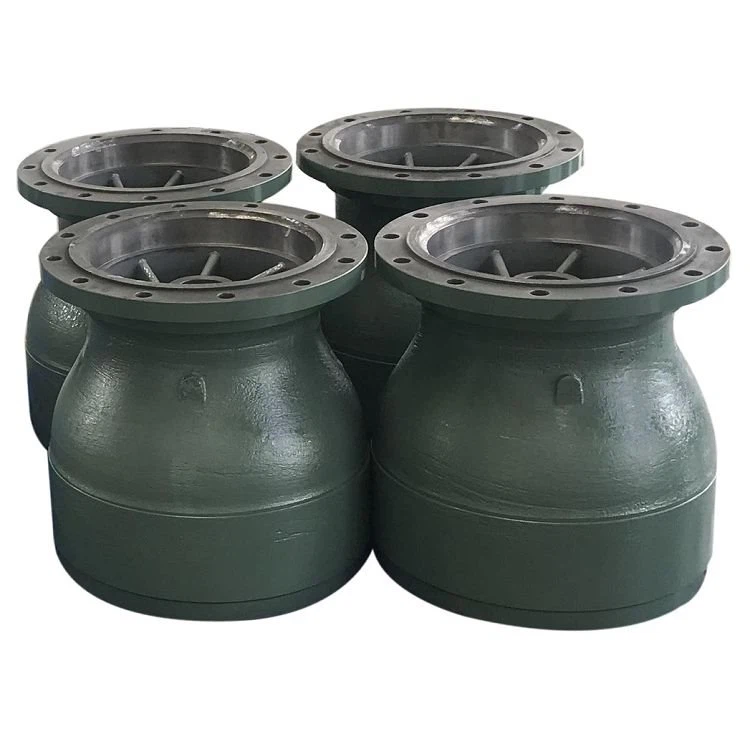
To prevent water pollution, our company has established a comprehensive water management system. We recycle and reuse water wherever possible, reducing our overall water consumption. Our wastewater treatment facilities are equipped with advanced filtration and purification technologies to remove pollutants from the water before it is discharged. We also monitor the quality of our wastewater regularly to ensure compliance with environmental regulations.
4. Solid Waste Generation
Pump casting generates a significant amount of solid waste, including scrap metal, sand, and slag. Scrap metal is a valuable resource that can be recycled and reused in the casting process. However, if not properly managed, it can accumulate in landfills, taking up valuable space and contributing to environmental degradation.
Sand is commonly used in the casting process as a molding material. After the casting is complete, the sand is often discarded as waste. This sand can contain various contaminants, such as heavy metals and organic compounds, which can leach into the soil and groundwater if not properly disposed of.
Slag is a byproduct of the melting process, consisting of impurities and non-metallic materials removed from the molten metal. Slag can contain heavy metals and other pollutants, and its improper disposal can pose environmental risks.
To minimize solid waste generation, our company has implemented a waste management program. We recycle and reuse scrap metal to reduce our reliance on virgin materials. We also explore innovative ways to reuse sand and slag, such as using them in construction materials or as a filler in other industrial processes. By reducing our solid waste generation and promoting recycling and reuse, we're not only minimizing our environmental impact but also contributing to a more circular economy.
5. Noise Pollution
Pump casting operations can generate significant noise levels, which can have a negative impact on the health and well-being of workers and nearby communities. The noise is primarily generated from the machinery used in the casting process, such as furnaces, crushers, and grinders.
Exposure to high noise levels can cause hearing loss, stress, and other health problems. It can also disrupt the normal activities of nearby residents, affecting their quality of life.
To address noise pollution concerns, our company has implemented noise control measures in our casting facilities. We've installed noise barriers and silencers around noisy machinery to reduce the noise levels. We also provide our workers with appropriate personal protective equipment, such as earplugs and earmuffs, to protect them from noise exposure. Additionally, we conduct regular noise monitoring to ensure compliance with noise regulations.
Conclusion
As a pump casting supplier, we recognize the importance of environmental sustainability and are committed to minimizing the environmental impacts of our operations. By addressing the energy consumption, air pollution, water pollution, solid waste generation, and noise pollution associated with pump casting, we're taking significant steps towards a more sustainable future.
We believe that by adopting innovative technologies and best practices, we can continue to meet the growing demand for pump casting products while reducing our environmental footprint. We're also committed to working with our customers, suppliers, and other stakeholders to promote environmental awareness and drive sustainable development in the industry.
If you're interested in learning more about our Stainless Steel Pump Casting products or our commitment to environmental sustainability, please feel free to contact us. We'd be happy to discuss your specific requirements and explore how we can work together to achieve your goals.
References
- American Foundry Society. (2023). Environmental Guidelines for the Foundry Industry.
- United States Environmental Protection Agency. (2023). Industrial Emissions Guidelines.
- World Health Organization. (2023). Air Quality Guidelines.