As a supplier of pump discharge components, I've witnessed firsthand the critical role that efficient pump discharge plays in various industrial and commercial applications. Optimizing pump discharge not only enhances the performance of the pumping system but also leads to significant cost savings and improved reliability. In this blog post, I'll share some key strategies and considerations for optimizing pump discharge based on my years of experience in the industry.
Understanding the Basics of Pump Discharge
Before delving into optimization strategies, it's essential to have a clear understanding of the basic principles of pump discharge. Pump discharge refers to the flow of fluid out of the pump and into the system. The efficiency of pump discharge is influenced by several factors, including the pump design, system layout, fluid properties, and operating conditions.
Pump Design
The design of the pump itself has a significant impact on discharge performance. Factors such as impeller design, pump casing shape, and internal flow path can all affect the efficiency and capacity of the pump. For example, a well-designed impeller can improve the transfer of energy from the pump to the fluid, resulting in higher discharge pressures and flow rates. When selecting a pump, it's important to choose one that is specifically designed for the intended application and operating conditions.
System Layout
The layout of the pumping system also plays a crucial role in optimizing pump discharge. The length and diameter of the discharge piping, the number of bends and fittings, and the elevation changes in the system can all affect the flow resistance and pressure drop. Minimizing the length of the discharge piping, using larger diameter pipes, and reducing the number of bends and fittings can help to reduce the flow resistance and improve the discharge performance. Additionally, proper elevation changes and pressure balancing in the system can ensure that the pump operates at its optimal efficiency.
Fluid Properties
The properties of the fluid being pumped, such as viscosity, density, and temperature, can also impact pump discharge. High-viscosity fluids require more energy to pump and can cause increased wear on the pump components. Similarly, fluids with high densities or temperatures can affect the pump's performance and efficiency. It's important to select a pump that is compatible with the fluid properties and to adjust the operating conditions as needed to ensure optimal performance.
Operating Conditions
The operating conditions of the pump, such as the speed, pressure, and flow rate, can also have a significant impact on discharge performance. Operating the pump at the recommended speed and pressure can help to ensure that it operates at its optimal efficiency. Additionally, monitoring the flow rate and adjusting the pump speed or valve settings as needed can help to maintain a consistent discharge flow and pressure.
Strategies for Optimizing Pump Discharge
Now that we have a better understanding of the factors that influence pump discharge, let's explore some specific strategies for optimizing its performance.
Select the Right Pump
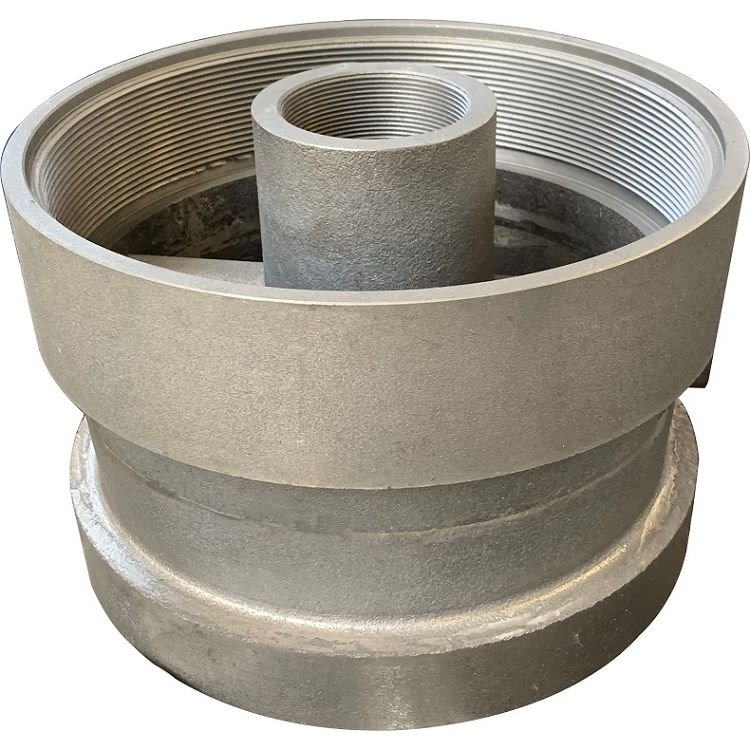
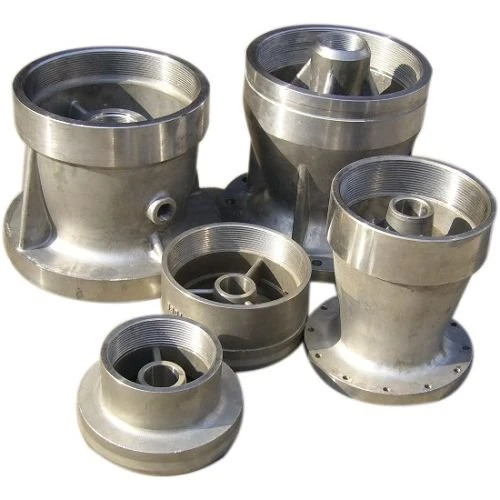
The first step in optimizing pump discharge is to select the right pump for the application. Consider factors such as the required flow rate, pressure, and fluid properties when choosing a pump. Additionally, look for pumps that are designed for high efficiency and reliability. For example, Stainless Steel Pump Discharge is a popular choice for applications where corrosion resistance is important, while Cast Iron Pump Discharge is often used in more heavy-duty applications.
Optimize the System Layout
As mentioned earlier, the layout of the pumping system can have a significant impact on pump discharge. To optimize the system layout, consider the following:
- Minimize the length of the discharge piping to reduce flow resistance.
- Use larger diameter pipes to increase the flow capacity and reduce pressure drop.
- Reduce the number of bends and fittings in the piping to minimize turbulence and energy losses.
- Ensure proper elevation changes and pressure balancing in the system to prevent cavitation and ensure optimal pump performance.
Maintain the Pump Regularly
Regular maintenance is essential for ensuring the long-term performance and reliability of the pump. This includes tasks such as checking the pump for leaks, inspecting the impeller and other components for wear, and lubricating the bearings as needed. Additionally, it's important to follow the manufacturer's recommended maintenance schedule and to use high-quality replacement parts when necessary.
Monitor and Control the Operating Conditions
Monitoring and controlling the operating conditions of the pump is crucial for optimizing its performance. This includes monitoring the flow rate, pressure, and temperature of the fluid being pumped, as well as the speed and power consumption of the pump. By using sensors and control systems, it's possible to adjust the pump speed, valve settings, and other operating parameters in real-time to maintain a consistent discharge flow and pressure.
Use Energy-Efficient Technologies
In today's energy-conscious world, using energy-efficient technologies is not only good for the environment but also for the bottom line. There are several energy-efficient technologies available for optimizing pump discharge, such as variable frequency drives (VFDs), high-efficiency motors, and advanced control systems. VFDs allow the pump speed to be adjusted based on the actual demand, resulting in significant energy savings. High-efficiency motors are designed to consume less energy while providing the same level of performance. Advanced control systems can optimize the pump operation based on real-time data, further improving the energy efficiency.
Conclusion
Optimizing pump discharge is a critical aspect of ensuring the efficient and reliable operation of pumping systems. By understanding the basic principles of pump discharge and implementing the strategies outlined in this blog post, you can improve the performance of your pump, reduce energy consumption, and extend the lifespan of your equipment. As a supplier of pump discharge components, I'm committed to providing high-quality products and expert advice to help you optimize your pumping systems. If you have any questions or need assistance with optimizing your pump discharge, please don't hesitate to [contact us](insert appropriate contact method here) for a consultation. We look forward to working with you to achieve your pumping system goals.
References
- Pump Handbook, 4th Edition, by Igor J. Karassik et al.
- Hydraulic Institute Standards for Pumps and Pumping Systems
- ASME B73.1 - 2015, Specification for Horizontal End Suction Centrifugal Pumps for Chemical Process