What is the pump discharge for a desalination plant? Well, let me tell you, it's a crucial part of the whole desalination process. As a pump discharge supplier, I've seen firsthand how important it is to get the right pump discharge for these plants.
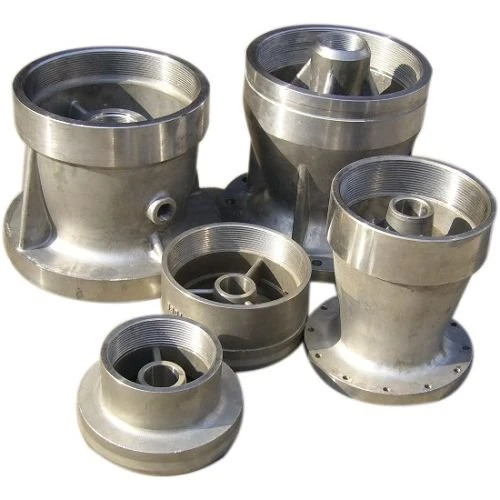
First off, what exactly is pump discharge? In simple terms, it's the part of the pump where the fluid (in this case, seawater or brackish water) comes out after being pressurized by the pump. The pump discharge is responsible for sending the treated water to where it needs to go, whether it's for drinking water supply, industrial use, or irrigation.
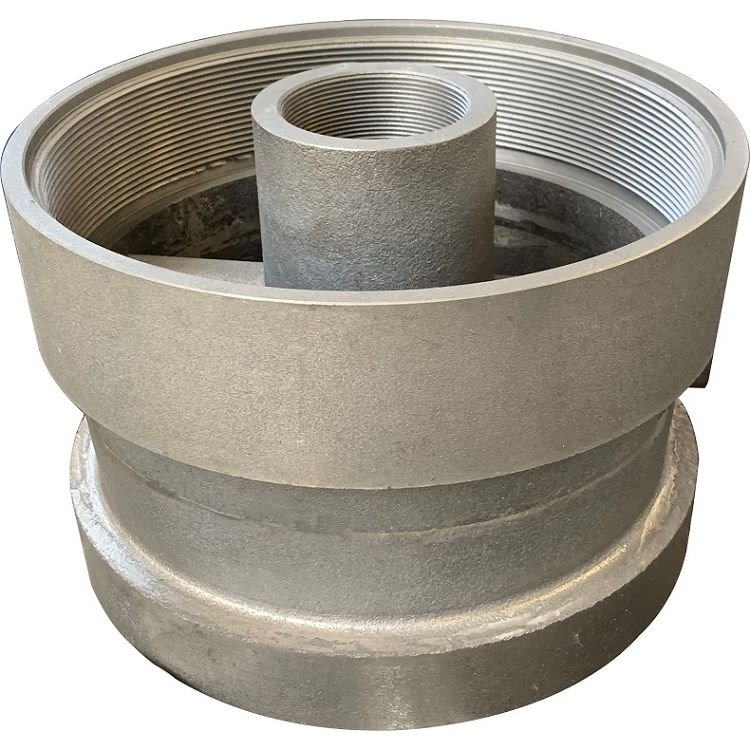
In a desalination plant, the pump discharge has to meet some pretty high - standards. The water in these plants is often highly saline, which means the materials used for the pump discharge need to be corrosion - resistant. That's why materials like stainless steel and cast iron are commonly used. You can check out Stainless Steel Pump Discharge and Cast Iron Pump Discharge for more info on these products.
Stainless steel pump discharges are great because they're super resistant to corrosion. Saltwater is a real enemy when it comes to metal components, and stainless steel can stand up to it pretty well. It's also strong and durable, which is important considering the high pressures involved in desalination processes. The pumps in desalination plants have to work hard to push the water through the membranes that remove the salt, and a strong pump discharge can handle that pressure without cracking or leaking.
On the other hand, cast iron pump discharges are also a popular choice. They're cost - effective, which is always a plus for large - scale desalination projects. Cast iron has good mechanical properties and can withstand a fair amount of wear and tear. However, it's not as corrosion - resistant as stainless steel, so it might need some extra protection in a highly saline environment.
The size of the pump discharge is another important factor. It needs to be sized correctly based on the flow rate and pressure requirements of the desalination plant. If the pump discharge is too small, it can restrict the flow of water, which means the plant won't be able to produce as much desalinated water as it should. On the other hand, if it's too large, it can lead to inefficiencies and higher costs.
The design of the pump discharge also matters. A well - designed pump discharge can ensure smooth flow of water, reducing turbulence and energy losses. This is important because desalination is an energy - intensive process, and any way we can reduce energy consumption is a win. Some pump discharges are designed with special features like diffusers or elbows to optimize the flow of water.
Now, let's talk about the role of pump discharge in the overall desalination process. Once the seawater or brackish water is taken in by the intake system, it goes through pre - treatment to remove large particles and debris. Then, the water is pumped into the reverse osmosis membranes, which are the heart of the desalination process. The pump discharge is what gets the water from the pumps to the membranes at the right pressure and flow rate.
After the water passes through the membranes and the salt is removed, the desalinated water is then sent to storage or distribution through the pump discharge. So, you can see that the pump discharge is involved in every step of getting the water from the source to the end - user.
In addition to the technical aspects, there are also regulatory and environmental considerations. Desalination plants have to meet certain water quality standards, and the pump discharge needs to be designed in a way that doesn't compromise those standards. For example, it shouldn't introduce any contaminants into the treated water.
From an environmental perspective, the pump discharge can affect the marine ecosystem if not managed properly. The brine (the concentrated saltwater left over from the desalination process) that's discharged back into the ocean needs to be diluted and dispersed in a way that minimizes its impact on marine life. Some pump discharges are designed with special features to help with this, like diffusers that spread the brine out over a larger area.
As a pump discharge supplier, I understand the importance of providing high - quality products that meet the specific needs of desalination plants. We work closely with our customers to understand their requirements, whether it's the material, size, or design of the pump discharge. We also offer after - sales support to make sure everything is working smoothly.
If you're involved in a desalination project and are looking for a reliable pump discharge, don't hesitate to get in touch. We can help you choose the right product for your needs and ensure that it's installed and maintained properly. Whether you need a stainless steel pump discharge or a cast iron one, we've got you covered.
In conclusion, the pump discharge is a vital component of a desalination plant. It plays a key role in the whole process, from getting the water into the membranes to distributing the desalinated water. With the right pump discharge, a desalination plant can operate efficiently and produce high - quality water. So, if you're in the market for a pump discharge for your desalination plant, give us a shout and let's talk about how we can help.
References
- Desalination Technology Handbook, edited by L. Edward Mounter
- Water Treatment and Desalination Technologies, by M. A. Hashim