Hey there! I'm a supplier in the cast iron casting business, and I've been in this game for quite a while. Over the years, I've learned a thing or two about optimizing the design for cast iron casting. In this blog, I'll share some tips and tricks that can help you get the most out of your cast iron casting projects.
Understanding the Basics of Cast Iron Casting
Before we dive into the optimization part, let's quickly go over what cast iron casting is. Cast iron is an alloy made primarily of iron, carbon, and silicon. It's known for its high strength, good wear resistance, and excellent castability. Casting is a manufacturing process where molten metal is poured into a mold to create a specific shape.
When it comes to cast iron casting, there are different types, such as gray iron casting, white iron casting, and Ductile Iron Casting. Each type has its own unique properties and applications. Gray iron, for example, is commonly used in applications where high vibration damping and good machinability are required, like engine blocks and machine tool bases. Ductile iron, on the other hand, has higher ductility and toughness, making it suitable for applications that need to withstand impact and dynamic loads, such as automotive parts and pipe fittings.
Design Considerations for Cast Iron Casting
Wall Thickness
One of the most important design factors in cast iron casting is wall thickness. Uneven wall thickness can lead to a bunch of problems, like shrinkage cavities, cracks, and uneven cooling. You want to keep the wall thickness as uniform as possible throughout the casting. If you need to change the wall thickness, do it gradually. A good rule of thumb is to avoid sudden changes in thickness greater than 20%.
For example, if you're designing a complex part with different sections, try to make the transition between thick and thin walls smooth. This will help the molten metal flow evenly during the casting process and reduce the risk of defects.
Draft Angles
Draft angles are another crucial aspect of casting design. Draft angles are the slight taper added to the vertical walls of a casting to allow it to be easily removed from the mold. Without proper draft angles, the casting can get stuck in the mold, causing damage to both the casting and the mold.
The recommended draft angle for cast iron casting is usually between 1° and 3°. However, this can vary depending on the complexity of the part and the type of mold used. For more intricate parts, you might need a larger draft angle to ensure easy ejection.
Fillets and Radii
Adding fillets and radii to the corners and edges of your casting design can significantly improve its quality. Sharp corners can create stress concentration points, which can lead to cracking during the casting process or in service. By adding fillets and radii, you can distribute the stress more evenly and reduce the risk of cracking.
A general guideline is to use a fillet radius of at least 3 mm for small castings and larger radii for bigger parts. The specific radius size will depend on the thickness of the walls and the overall design of the casting.
Avoiding Undercuts
Undercuts are areas in a casting that prevent it from being removed from the mold in a single direction. They can make the casting process more complicated and increase the cost. Whenever possible, try to design your parts without undercuts.
If you absolutely need an undercut, there are ways to work around it. One option is to use a multi - piece mold, where different parts of the mold can be removed separately to release the casting. Another option is to use core pullers or slides in the mold to create the undercut feature.
Material Selection
The choice of cast iron material can also have a big impact on the design optimization. As I mentioned earlier, different types of cast iron have different properties. You need to consider the specific requirements of your application when selecting the material.
For example, if your part needs to have good corrosion resistance, you might want to consider using a type of cast iron with added alloying elements, like chromium or nickel. If high strength and ductility are your priorities, Ductile Iron Casting could be a better choice.
It's also important to work closely with your casting supplier to understand the limitations and capabilities of different materials. They can provide valuable insights based on their experience and help you make the right decision.
Gating and Riser Design
Gating and riser design play a vital role in ensuring the quality of the cast iron casting. The gating system is responsible for delivering the molten metal into the mold cavity, while the riser system provides additional molten metal to compensate for shrinkage during solidification.
A well - designed gating system should ensure a smooth and uniform flow of molten metal into the mold. It should also prevent the formation of turbulence, which can cause air entrapment and other defects. The size and shape of the gates and runners need to be carefully calculated based on the size and complexity of the casting.
The riser system is equally important. Risers should be placed in areas where shrinkage is likely to occur, such as thick sections of the casting. They should be large enough to supply enough molten metal to fill the shrinkage cavities but not so large that they waste a lot of material.
Machining and Finishing
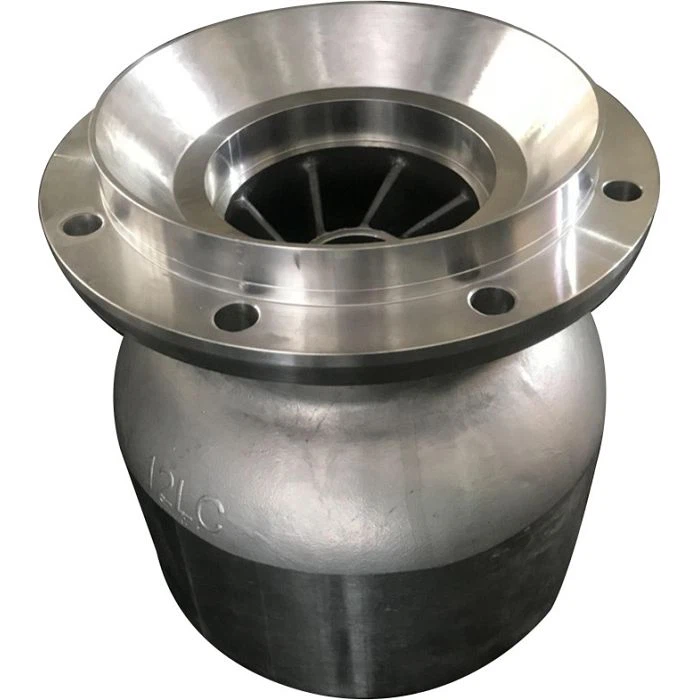
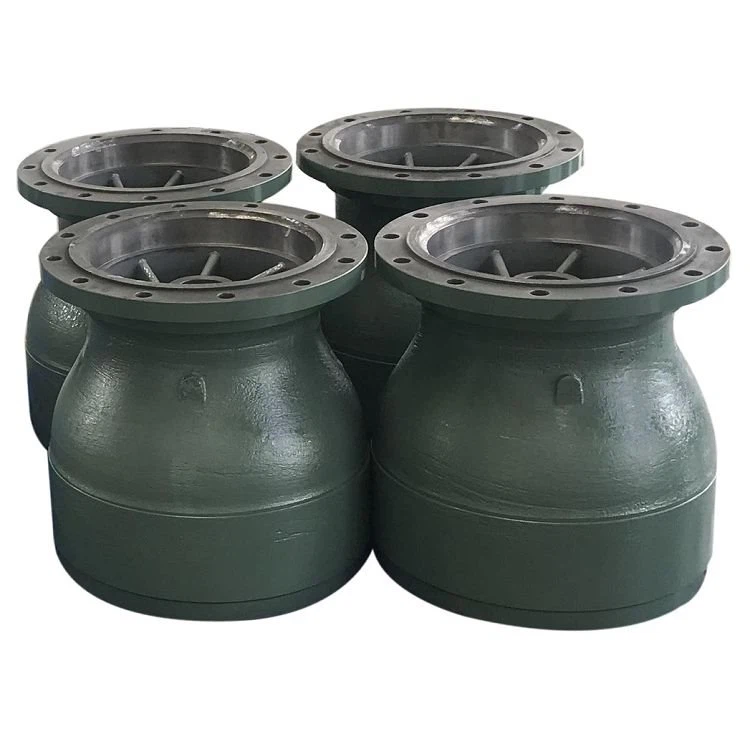
After the casting is made, machining and finishing operations are often required to achieve the final dimensions and surface quality. When designing your casting, you need to consider the machining process and leave enough material for machining.
It's also a good idea to design your part in a way that minimizes the amount of machining required. For example, you can use near - net - shape casting techniques to get the part as close as possible to the final dimensions. This can save time and cost in the machining process.
Cost Optimization
Optimizing the design for cast iron casting isn't just about improving the quality; it's also about reducing costs. Here are some ways to do that:
- Simplify the Design: A simpler design means fewer complex features, which can reduce the cost of tooling and the casting process. Try to eliminate unnecessary details and use standard shapes and sizes whenever possible.
- Reduce Material Waste: By carefully designing the gating and riser system and using proper wall thickness, you can minimize the amount of excess material in the casting. This not only saves on material costs but also reduces the machining time and cost.
- Choose the Right Production Volume: The cost per unit can vary significantly depending on the production volume. If you're producing a large number of parts, you might be able to justify the cost of more expensive tooling and processes that offer higher efficiency. For small - volume production, more flexible and cost - effective methods might be a better choice.
Conclusion
Optimizing the design for cast iron casting is a multi - faceted process that involves considering various factors, from wall thickness and draft angles to material selection and cost optimization. By following these tips and working closely with a reliable casting supplier, you can ensure that your cast iron casting projects are successful in terms of both quality and cost.
If you're interested in Cast Iron Casting for your next project or have any questions about the design optimization process, don't hesitate to reach out. We're here to help you make the most of your casting needs. Whether you need Stainless Steel Pump Casting or any other type of casting, we've got the expertise and experience to deliver high - quality products.
References
- Campbell, J. (2003). Castings. Butterworth - Heinemann.
-ASM Handbook Committee. (2008). ASM Handbook, Volume 15: Casting. ASM International.