As a seasoned supplier of pump impellers, I've witnessed firsthand the pivotal role that the number of vanes on a pump impeller plays in its overall operation. In this blog, I'll delve into the intricate relationship between the vane count and pump performance, exploring how different vane numbers can impact efficiency, head, flow rate, and more.
Understanding Pump Impellers and Vanes
Before we dive into the effects of vane number, let's briefly review what a pump impeller is and what vanes do. A pump impeller is a rotating component within a pump that transfers energy to the fluid being pumped. The vanes are the curved blades on the impeller that guide the fluid and increase its velocity and pressure as it passes through the pump.
The number of vanes on an impeller can vary widely, from as few as two or three to more than ten. Each vane configuration has its own unique characteristics and is suitable for different applications.
Impact on Pump Efficiency
One of the most significant ways the number of vanes affects pump operation is through its impact on efficiency. Generally, a higher number of vanes can lead to increased efficiency, especially at lower flow rates. This is because more vanes provide a smoother flow path for the fluid, reducing turbulence and energy losses.
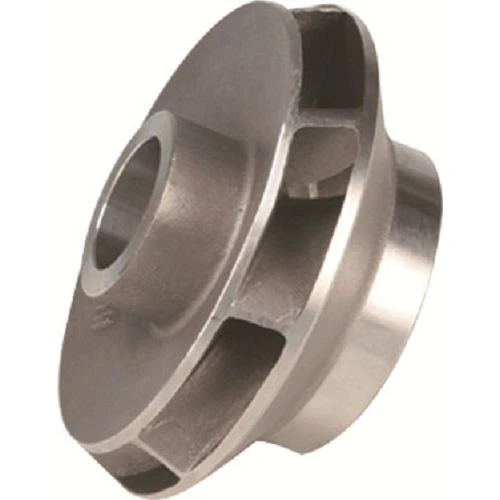
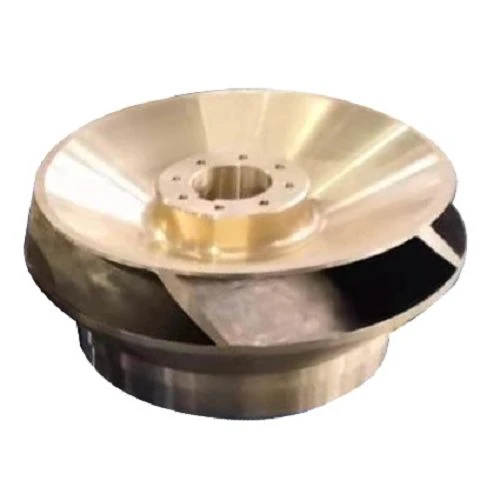
When the fluid passes through an impeller with more vanes, it experiences less disruption and is more effectively guided towards the pump outlet. This results in a more efficient transfer of energy from the impeller to the fluid, reducing the amount of power required to achieve a given flow rate.
However, it's important to note that there is a point of diminishing returns. Adding too many vanes can actually decrease efficiency, as the increased surface area of the vanes can cause additional friction and resistance. Additionally, a very high vane count can make the impeller more difficult to manufacture and balance, which can also negatively impact performance.
Influence on Head and Flow Rate
The number of vanes also has a significant impact on the pump's head and flow rate capabilities. Head refers to the height or pressure that a pump can generate, while flow rate is the volume of fluid that the pump can move per unit of time.
In general, an impeller with more vanes can generate a higher head, especially at lower flow rates. This is because the additional vanes provide more surface area for the fluid to interact with, allowing the impeller to impart more energy to the fluid and increase its pressure.
On the other hand, a lower number of vanes can result in a higher flow rate, particularly at higher flow conditions. With fewer vanes, there is less obstruction to the fluid flow, allowing it to move more freely through the impeller and out of the pump.
Considerations for Different Applications
The optimal number of vanes for a pump impeller depends on the specific application and operating conditions. Here are some common scenarios and the recommended vane counts:
- Low Flow, High Head Applications: For applications that require a high head at low flow rates, such as in water supply systems or boiler feed pumps, an impeller with a higher number of vanes (e.g., 6 - 10) is typically recommended. This configuration provides the necessary pressure boost while maintaining good efficiency.
- High Flow, Low Head Applications: In applications where a high flow rate is required at a relatively low head, such as in irrigation systems or cooling water pumps, an impeller with a lower number of vanes (e.g., 2 - 4) may be more suitable. This allows the fluid to flow more freely through the impeller, maximizing the flow rate.
- Solids Handling Applications: When pumping fluids that contain solids, such as wastewater or slurries, an impeller with fewer vanes is often preferred. Fewer vanes provide a larger passage for the solids to pass through, reducing the risk of clogging and improving the pump's reliability.
Material Considerations
In addition to the number of vanes, the material of the pump impeller also plays a crucial role in its performance and durability. At our company, we offer a wide range of impeller materials to suit different applications, including Stainless Steel Pump Impeller, Cast Iron Pump Impeller, and Bronze Pump Impeller.
Stainless steel impellers are highly corrosion-resistant and are suitable for applications where the fluid is corrosive or contains chemicals. Cast iron impellers are durable and cost-effective, making them a popular choice for general-purpose pumping applications. Bronze impellers offer good corrosion resistance and are often used in marine and water treatment applications.
Conclusion
In conclusion, the number of vanes on a pump impeller has a profound impact on its operation, affecting efficiency, head, flow rate, and suitability for different applications. By carefully considering the specific requirements of your pumping system, you can choose the optimal vane configuration to achieve the best performance and reliability.
As a leading supplier of pump impellers, we have the expertise and experience to help you select the right impeller for your needs. Whether you're looking for a high-efficiency impeller for a low-flow application or a solids-handling impeller for a wastewater system, we can provide you with the solutions you need.
If you're interested in learning more about our pump impellers or have any questions about vane selection, please don't hesitate to contact us. We're here to assist you in finding the perfect impeller for your pumping system and ensuring its optimal performance.
References
- Karassik, I. J., Messina, J. P., Cooper, P. T., & Heald, C. C. (2008). Pump Handbook (4th ed.). McGraw-Hill.
- Stepanoff, A. J. (1957). Centrifugal and Axial Flow Pumps: Theory, Design, and Application. Wiley.
- Thorley, A. R. D. (1998). Fluid Flow in Pipes, Pumps, and Channels. Arnold.