Magnetic particle testing (MPT) is a non-destructive testing method widely used to detect surface and near-surface discontinuities in ferromagnetic materials, such as cast iron castings. As a Cast Iron Casting supplier, we understand the importance of ensuring the quality of our products. In this blog post, I will share with you how to perform magnetic particle testing on cast iron castings.
Understanding the Basics of Magnetic Particle Testing
Before we dive into the testing process, it's essential to understand the principle behind magnetic particle testing. When a magnetic field is applied to a ferromagnetic material, the magnetic field lines will flow through the material. If there is a discontinuity, such as a crack, the magnetic field lines will be disrupted and leak out of the surface of the material. By applying magnetic particles to the surface, these particles will be attracted to the leakage field and form visible indications, which can be easily detected.
Preparing for Magnetic Particle Testing
Cleaning the Castings
The first step in magnetic particle testing is to clean the cast iron castings thoroughly. Any dirt, oil, paint, or other contaminants on the surface can interfere with the magnetic particle testing process and prevent the particles from adhering to the leakage fields. We typically use solvents, abrasives, or ultrasonic cleaning methods to ensure the surface is clean and free of debris.
Selecting the Right Equipment
There are several types of equipment available for magnetic particle testing, including permanent magnets, electromagnets, and yokes. The choice of equipment depends on the size, shape, and complexity of the castings. For small and simple castings, permanent magnets or yokes may be sufficient. However, for larger and more complex castings, electromagnets are often preferred as they can generate stronger and more controllable magnetic fields.
Choosing the Appropriate Magnetic Particles
Magnetic particles come in different forms, such as dry particles and wet particles. Dry particles are typically used for on-site testing or when a quick and simple inspection is required. Wet particles, on the other hand, are more sensitive and provide better visibility of the indications. They are often used in a liquid suspension, which can be applied to the surface of the castings using a sprayer or a dipping tank.
Performing Magnetic Particle Testing
Applying the Magnetic Field
Once the castings are clean and the equipment and particles are selected, the next step is to apply the magnetic field. The magnetic field can be applied in two ways: longitudinal magnetization and circular magnetization. Longitudinal magnetization is used to detect discontinuities that are parallel to the axis of the magnetic field, while circular magnetization is used to detect discontinuities that are perpendicular to the axis of the magnetic field.
In most cases, we use a combination of longitudinal and circular magnetization to ensure that all types of discontinuities can be detected. The magnetic field strength should be adjusted according to the size and thickness of the castings to ensure that the leakage fields are strong enough to attract the magnetic particles.
Applying the Magnetic Particles
After the magnetic field is applied, the magnetic particles are applied to the surface of the castings. If using dry particles, they can be sprinkled or blown onto the surface. If using wet particles, the liquid suspension is applied using a sprayer or a dipping tank. The particles should be applied evenly and thinly to ensure that the indications are clearly visible.
Inspecting the Indications
Once the magnetic particles are applied, the castings are inspected for indications. Indications appear as visible clusters or lines of magnetic particles on the surface of the castings. These indications can be classified as relevant indications or non-relevant indications. Relevant indications are those that are caused by discontinuities, such as cracks, porosity, or inclusions. Non-relevant indications are those that are caused by other factors, such as magnetic field variations or surface roughness.
It's important to note that not all indications are defects. Some indications may be due to normal variations in the material or the manufacturing process. Therefore, it's necessary to evaluate the indications carefully to determine whether they are relevant or non-relevant.
Recording and Evaluating the Results
After the inspection, the results are recorded and evaluated. The location, size, and shape of the indications are recorded, and their significance is evaluated based on the acceptance criteria. The acceptance criteria are typically defined by the customer or the relevant industry standards. If the indications exceed the acceptance criteria, the castings may need to be repaired or rejected.
Advantages of Magnetic Particle Testing for Cast Iron Castings
Magnetic particle testing offers several advantages for cast iron castings:
- High Sensitivity: Magnetic particle testing can detect very small surface and near-surface discontinuities, which may not be visible to the naked eye. This allows us to identify potential defects early in the manufacturing process and take corrective actions to prevent further problems.
- Quick and Easy: Magnetic particle testing is a relatively quick and easy non-destructive testing method. It can be performed on-site or in a laboratory, and the results can be obtained immediately. This makes it a cost-effective and efficient way to ensure the quality of cast iron castings.
- Versatile: Magnetic particle testing can be used to detect a wide range of discontinuities, including cracks, porosity, inclusions, and laps. It can be applied to castings of different sizes, shapes, and complexities, making it a versatile testing method for the cast iron casting industry.
Applications of Cast Iron Castings and Related Products
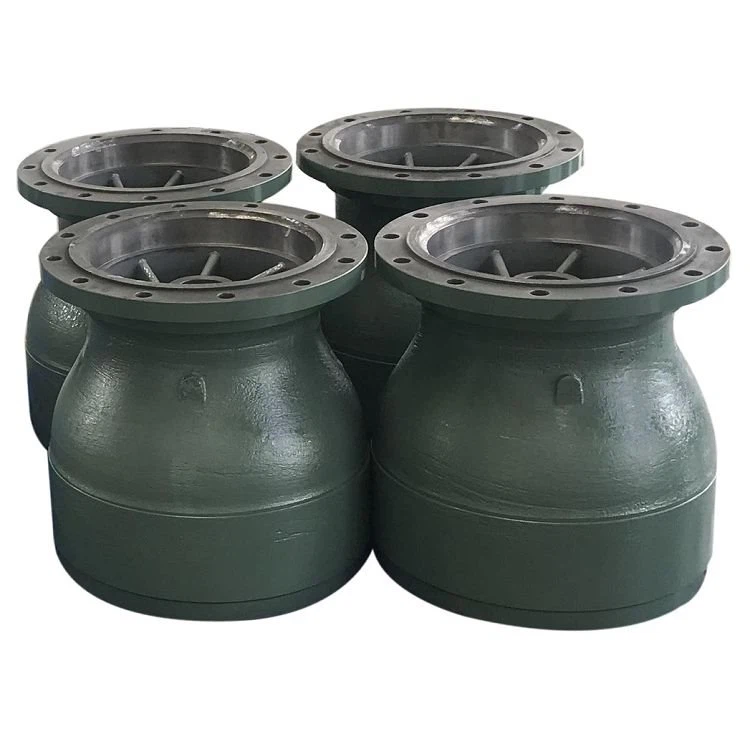
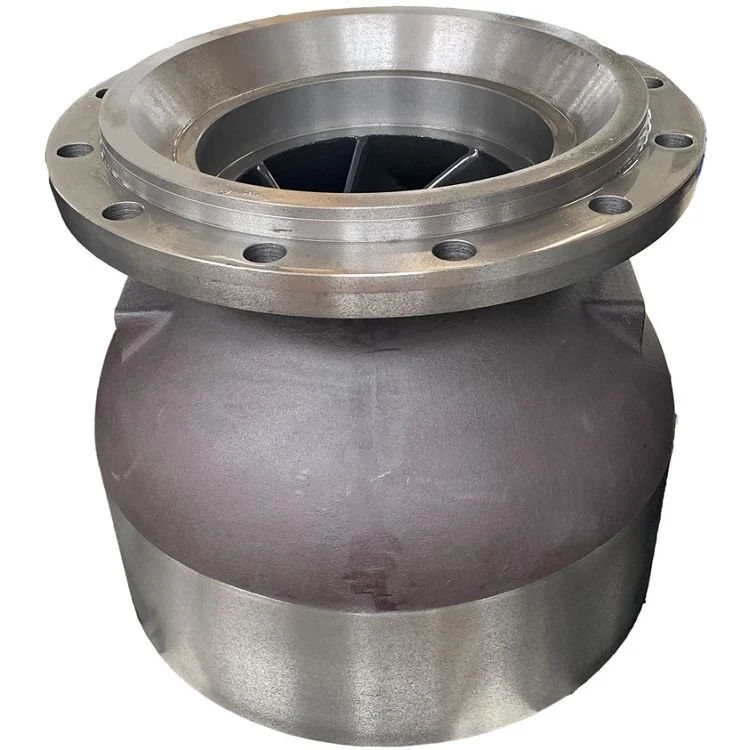
Cast iron castings have a wide range of applications in various industries, such as automotive, construction, and machinery. Our company specializes in providing high-quality Cast Iron Casting products, including Ductile Iron Casting and Wear Resistant Pump Parts.
Ductile iron castings are known for their high strength, toughness, and ductility. They are widely used in automotive applications, such as engine blocks, crankshafts, and suspension components. Wear resistant pump parts, on the other hand, are designed to withstand the harsh conditions of pumping abrasive fluids. They are commonly used in mining, chemical, and power generation industries.
Conclusion
Magnetic particle testing is an essential quality control tool for cast iron castings. By following the proper procedures and using the right equipment and materials, we can ensure that our castings are free of surface and near-surface discontinuities and meet the highest quality standards.
If you are interested in our Cast Iron Casting products or have any questions about magnetic particle testing, please feel free to contact us for more information and to discuss your procurement needs. We look forward to working with you to provide the best solutions for your casting requirements.
References
- ASNT Recommended Practice No. SNT-TC-1A, Personnel Qualification and Certification in Nondestructive Testing.
- ASTM E709, Standard Guide for Magnetic Particle Testing.
- API 650, Welded Steel Tanks for Oil Storage.