Hey there! As a supplier of pump discharge products, I've seen firsthand how different types of pumps can have a huge impact on pump discharge. In this blog, I'm gonna break down the relationship between pump types and pump discharge, so you can make a more informed decision when it comes to choosing the right pump for your needs.
Let's start with the basics. Pump discharge refers to the flow of fluid that comes out of a pump. It's a crucial aspect of any pumping system because it determines how effectively the pump can move the fluid from one place to another. The type of pump you choose plays a significant role in influencing this discharge.
Centrifugal Pumps
Centrifugal pumps are one of the most commonly used types of pumps out there. They work by using an impeller to spin the fluid and create centrifugal force, which then pushes the fluid out of the pump. These pumps are great for applications where you need a high flow rate with relatively low pressure.
When it comes to pump discharge, centrifugal pumps are known for providing a steady and continuous flow. The discharge rate mainly depends on the speed of the impeller, the size of the impeller, and the diameter of the pump outlet. A larger impeller or a higher impeller speed generally results in a higher discharge rate. However, it's important to note that centrifugal pumps are less efficient at high pressures. If you need to pump fluid against a high resistance, like in a tall building or a long pipeline, a centrifugal pump might struggle to maintain a good discharge.
For example, in a water supply system for a small community, a centrifugal pump can easily provide a large volume of water at a relatively low pressure. But if you try to use the same pump to supply water to the top floors of a skyscraper, the discharge might not be sufficient due to the high pressure required to lift the water.
Positive Displacement Pumps
Positive displacement pumps, on the other hand, work by trapping a fixed amount of fluid and then forcing it out of the pump. There are different types of positive displacement pumps, such as piston pumps, diaphragm pumps, and gear pumps.
These pumps are excellent for applications that require a high pressure and a precise flow rate. Unlike centrifugal pumps, positive displacement pumps can maintain a consistent discharge even when pumping against high resistance. This is because they don't rely on centrifugal force but rather on the mechanical movement of parts to push the fluid.
Let's take a piston pump as an example. In a piston pump, a piston moves back and forth inside a cylinder, creating a vacuum to draw in the fluid and then pushing it out under pressure. The discharge rate of a piston pump is directly related to the size of the piston, the stroke length, and the speed of the piston movement. Since the volume of fluid displaced with each stroke is fixed, the discharge rate remains relatively constant regardless of the pressure.
Positive displacement pumps are often used in industries like oil and gas, where they need to pump viscous fluids or fluids under high pressure. For instance, in an oil refinery, a positive displacement pump can effectively transfer thick crude oil through pipelines at a steady rate.
Diaphragm Pumps
Diaphragm pumps are a type of positive displacement pump that uses a flexible diaphragm to move the fluid. The diaphragm flexes back and forth, creating a vacuum on one side to draw in the fluid and then pushing it out on the other side.
One of the advantages of diaphragm pumps is their ability to handle a wide range of fluids, including abrasive and corrosive ones. They also offer good control over the discharge rate. You can adjust the speed of the diaphragm movement to change the flow rate. Additionally, diaphragm pumps are relatively easy to maintain and can run dry without causing damage.
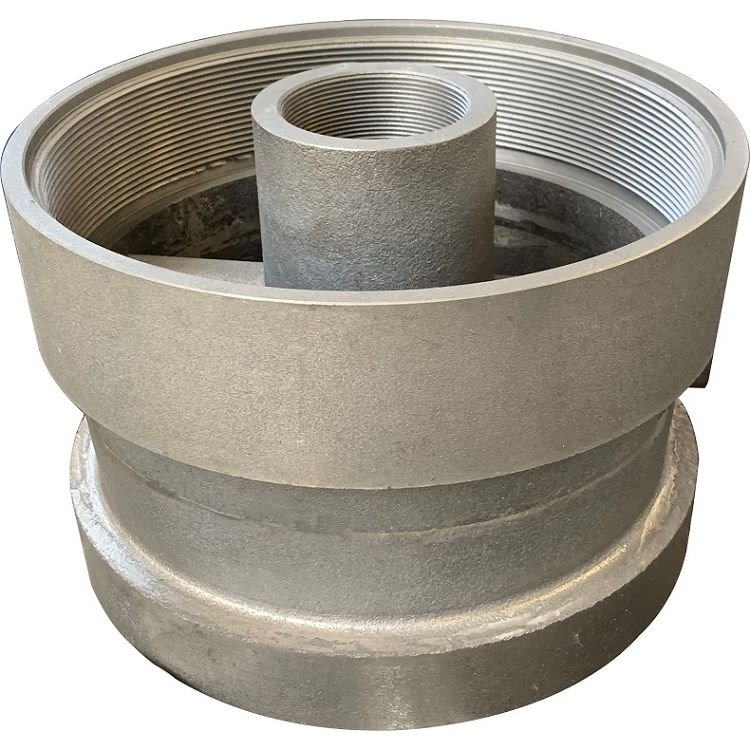
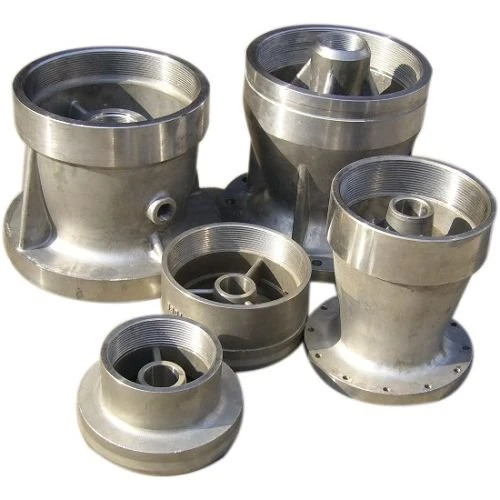
In a chemical processing plant, for example, a diaphragm pump can be used to transfer various chemicals safely. Its ability to handle corrosive fluids and provide a reliable discharge makes it a popular choice in such applications.
Impact of Pump Material on Discharge
The material of the pump also has an impact on pump discharge. Two common materials used for pump discharge are cast iron and stainless steel.
Cast Iron Pump Discharge is a popular choice due to its durability and affordability. Cast iron pumps can handle a wide range of temperatures and pressures. However, they are more prone to corrosion, especially when dealing with corrosive fluids. Corrosion can lead to blockages in the pump discharge, reducing the flow rate and the overall efficiency of the pump.
On the other hand, Stainless Steel Pump Discharge offers excellent corrosion resistance. Stainless steel pumps are ideal for applications where the fluid is corrosive, such as in the food and beverage industry or in chemical processing. They can maintain a clean and unobstructed discharge path, ensuring a consistent and efficient flow of fluid.
Other Factors Affecting Pump Discharge
Apart from the type of pump and the pump material, there are other factors that can influence pump discharge. The viscosity of the fluid being pumped is one such factor. Viscous fluids, like honey or oil, are more difficult to pump than less viscous fluids, like water. A pump that can handle a high flow rate of water might struggle to achieve the same discharge rate with a viscous fluid.
The temperature of the fluid also matters. High temperatures can reduce the viscosity of some fluids, making them easier to pump. But extreme temperatures can also affect the performance of the pump itself. For example, high temperatures can cause the pump parts to expand, which might lead to leaks or other mechanical issues.
The size and length of the pipes connected to the pump also play a role. Longer pipes or pipes with a smaller diameter can increase the resistance to flow, reducing the pump discharge. It's important to choose the right pipe size and length to ensure optimal pump performance.
Conclusion
In conclusion, the type of pump you choose has a significant impact on pump discharge. Centrifugal pumps are great for high flow rate applications with low pressure requirements, while positive displacement pumps are better suited for high pressure and precise flow rate needs. The material of the pump, the viscosity and temperature of the fluid, and the pipe size and length are also important factors to consider.
If you're in the market for a pump discharge product, it's crucial to understand your specific requirements and choose the right pump accordingly. Whether you need a Cast Iron Pump Discharge or a Stainless Steel Pump Discharge, I'm here to help you make the best decision. Feel free to reach out to me for more information or to discuss your specific needs. I'd be more than happy to assist you in finding the perfect pump discharge solution for your application.
References
- "Pump Handbook" by Igor J. Karassik, Joseph P. Messina, Paul Cooper, and Charles C. Heald.
- "Centrifugal Pumps: Design and Application" by Heinz P. Bloch and Fred K. Geitner.
- "Positive Displacement Pumps: Technology and Applications" by R. K. Rajput.