Preparing the surface of ductile iron casting before welding is a crucial step that can significantly impact the quality and durability of the weld. As a ductile iron casting supplier, I've seen firsthand how proper surface preparation can make or break a welding project. In this blog, I'll share some tips and techniques on how to get your ductile iron casting surface ready for welding.
Why Surface Preparation Matters
Before we dive into the how-to, let's talk about why surface preparation is so important. Ductile iron contains graphite nodules, which can affect the welding process. If the surface isn't properly cleaned and prepared, these nodules can cause porosity, cracking, and other defects in the weld. Additionally, contaminants like rust, oil, and dirt can interfere with the welding arc and prevent proper fusion between the casting and the filler metal.
Step 1: Visual Inspection
The first step in preparing the surface of a ductile iron casting is to conduct a visual inspection. Look for any visible cracks, porosity, or other defects on the surface. If you find any, you'll need to address them before welding. Small cracks can sometimes be repaired by grinding or machining, but larger cracks may require more extensive repair work.
Step 2: Cleaning
Once you've inspected the surface, it's time to clean it. There are several methods you can use to clean a ductile iron casting, depending on the type and amount of contaminants present.
Degreasing
If the casting has oil or grease on the surface, you'll need to degrease it first. You can use a commercial degreaser or a solvent like acetone or alcohol. Apply the degreaser to the surface and let it soak for a few minutes. Then, wipe it off with a clean cloth.
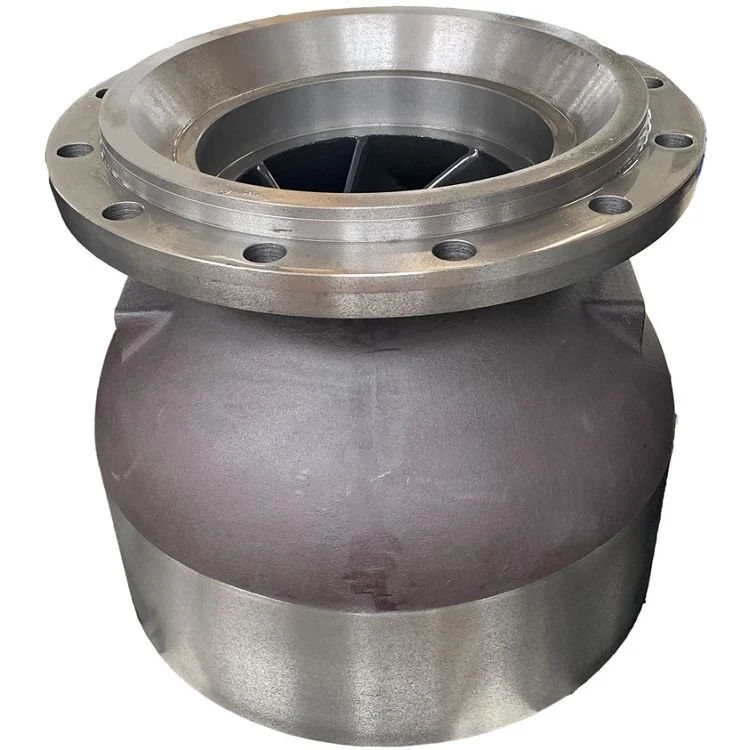
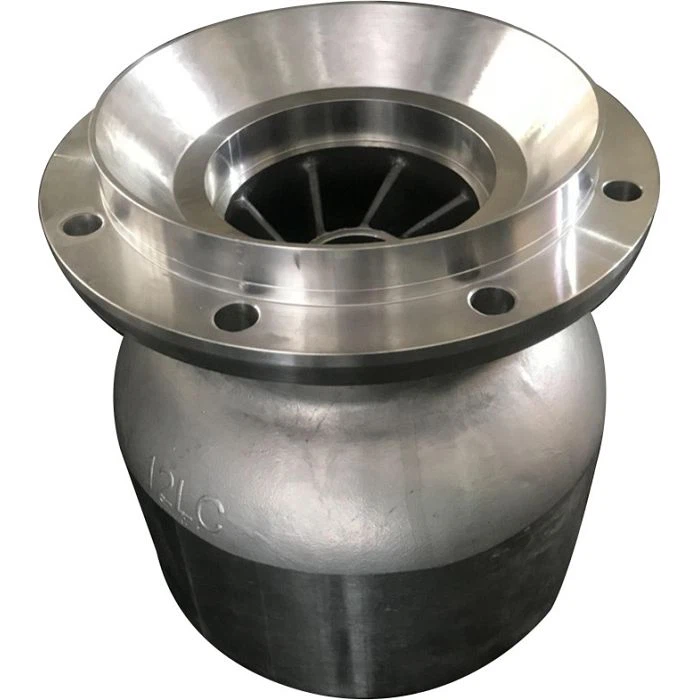
Rust Removal
Rust can be removed using a wire brush, sandpaper, or a grinding wheel. Start with a coarse grit and work your way up to a finer grit to smooth the surface. Make sure to remove all the rust, as any remaining rust can cause problems during welding.
Sandblasting
Sandblasting is a more aggressive method of cleaning that can be used to remove stubborn contaminants like paint, scale, and rust. It involves using compressed air to propel abrasive particles at high speed onto the surface of the casting. Sandblasting can be effective, but it can also damage the surface of the casting if not done properly. Make sure to use the right type of abrasive and adjust the pressure and distance of the sandblaster to avoid overblasting.
Step 3: Machining
After cleaning the surface, you may need to machine it to achieve the proper surface finish. Machining can help remove any remaining irregularities and create a smooth, flat surface for welding. You can use a lathe, mill, or grinder to machine the casting. Make sure to follow the manufacturer's recommendations for the type and size of cutting tool to use.
Step 4: Preheating
Preheating is an important step in welding ductile iron. It helps to reduce the cooling rate of the weld and prevent cracking. The preheating temperature will depend on the thickness of the casting and the type of welding process being used. Generally, a preheating temperature of 200-300°C (392-572°F) is recommended for most ductile iron castings.
You can use a torch, induction heater, or oven to preheat the casting. Make sure to heat the casting evenly and avoid overheating any one area. Monitor the temperature using a thermometer or temperature sensor to ensure that it stays within the recommended range.
Step 5: Welding
Once the surface is clean, machined, and preheated, it's time to start welding. There are several welding processes that can be used to weld ductile iron, including shielded metal arc welding (SMAW), gas tungsten arc welding (GTAW), and gas metal arc welding (GMAW). The choice of welding process will depend on the specific requirements of the project, such as the thickness of the casting, the type of filler metal being used, and the welding position.
When welding ductile iron, it's important to use the right type of filler metal. Ductile iron filler metals are specifically designed to match the composition and properties of the base metal. Make sure to follow the manufacturer's recommendations for the type and size of filler metal to use.
During welding, it's important to maintain a stable arc and control the heat input. Too much heat can cause the graphite nodules in the ductile iron to break down, which can lead to porosity and cracking in the weld. Make sure to use the right welding parameters, such as the welding current, voltage, and travel speed, to ensure a proper weld.
Step 6: Post-Weld Heat Treatment
After welding, it's important to perform post-weld heat treatment to relieve the residual stresses in the weld and improve the mechanical properties of the joint. Post-weld heat treatment typically involves heating the casting to a specific temperature and holding it there for a certain period of time, followed by slow cooling.
The post-weld heat treatment temperature and time will depend on the type of casting, the welding process, and the filler metal used. Generally, a post-weld heat treatment temperature of 550-650°C (1022-1202°F) is recommended for most ductile iron castings.
Conclusion
Preparing the surface of a ductile iron casting before welding is a critical step that requires careful attention to detail. By following these steps, you can ensure that your ductile iron casting is properly prepared for welding and that the weld will be strong, durable, and free of defects.
If you're in the market for high-quality ductile iron castings, Cast Iron Casting, Stainless Steel Pump Casting, or Wear Resistant Pump Parts, I'd love to hear from you. We're a leading supplier of ductile iron castings and can provide you with the products and services you need to meet your specific requirements. Contact us today to discuss your project and get a quote.
References
- American Welding Society. (2019). Welding Handbook, Volume 1: Welding Science and Technology.
- ASM International. (2008). ASM Handbook, Volume 6: Welding, Brazing, and Soldering.
- Ductile Iron Society. (2020). Ductile Iron Castings: Design and Applications.