Cavitation in a fire pump is a serious issue that can lead to reduced performance, increased maintenance costs, and even pump failure. As a fire pump supplier, I've witnessed firsthand the detrimental effects of cavitation on fire protection systems. In this blog post, I'll share some key strategies to prevent cavitation in fire pumps, ensuring their reliable operation when it matters most.
Understanding Cavitation
Before delving into prevention methods, it's essential to understand what cavitation is and how it occurs in fire pumps. Cavitation happens when the pressure in a liquid drops below its vapor pressure, causing the formation of vapor bubbles. These bubbles then collapse when they reach areas of higher pressure, generating shockwaves that can damage the pump's impeller, casing, and other components.
In a fire pump, cavitation can be triggered by several factors, including:
- Low suction pressure: If the pressure at the pump's suction inlet is too low, the liquid may vaporize, leading to cavitation.
- High flow rates: Operating the pump at flow rates beyond its design capacity can cause a drop in pressure, increasing the risk of cavitation.
- Viscous fluids: Fluids with high viscosity can impede the flow through the pump, resulting in pressure drops and cavitation.
- Clogged suction lines: Obstructions in the suction lines can restrict the flow of liquid to the pump, causing low suction pressure and cavitation.
Preventive Measures
1. Proper Pump Sizing and Selection
One of the most effective ways to prevent cavitation is to select the right fire pump for the application. When sizing a fire pump, it's crucial to consider factors such as the required flow rate, pressure, and the characteristics of the fluid being pumped. A pump that is too small for the application may operate at high flow rates, leading to cavitation, while an oversized pump may be inefficient and prone to other issues.
As a fire pump supplier, I recommend working closely with a qualified engineer or pump specialist to determine the appropriate pump size and type for your specific needs. We offer a wide range of Centrifugal Fire Pump and Submersible Fire Pump options, each designed to meet different performance requirements and operating conditions.
2. Maintain Adequate Suction Pressure
Maintaining adequate suction pressure is critical to preventing cavitation in fire pumps. This can be achieved by ensuring that the suction source is capable of providing the required flow rate and pressure. Here are some tips to maintain proper suction pressure:
- Check the suction source: Ensure that the water source, such as a storage tank or a municipal water supply, has sufficient capacity and pressure to meet the pump's requirements.
- Minimize suction line losses: Use large-diameter suction lines to reduce friction losses and ensure a smooth flow of liquid to the pump. Avoid sharp bends, elbows, and valves in the suction line, as these can cause pressure drops.
- Install a suction strainer: A suction strainer can prevent debris and foreign objects from entering the pump, reducing the risk of clogging and cavitation. Make sure to clean the strainer regularly to maintain its effectiveness.
3. Monitor and Control Flow Rates
Operating the fire pump within its recommended flow rate range is essential to prevent cavitation. Exceeding the pump's design flow rate can cause a drop in pressure, leading to the formation of vapor bubbles. Here's how you can monitor and control flow rates:
- Use flow meters: Install flow meters in the pump system to monitor the actual flow rate. This allows you to ensure that the pump is operating within its design limits.
- Adjust the pump speed: If the flow rate needs to be adjusted, consider using a variable frequency drive (VFD) to control the pump speed. A VFD can adjust the pump's speed based on the demand, ensuring that it operates at the optimal flow rate and pressure.
- Avoid sudden changes in flow rate: Sudden changes in flow rate can cause pressure fluctuations in the pump system, increasing the risk of cavitation. When starting or stopping the pump, do so gradually to minimize these fluctuations.
4. Keep the Pump and System Clean
Regular maintenance and cleaning of the fire pump and its associated components are crucial to prevent cavitation. Over time, dirt, debris, and corrosion can accumulate in the pump, impeding the flow of liquid and causing pressure drops. Here are some maintenance tasks to keep the pump and system clean:
- Inspect and clean the pump regularly: Check the pump's impeller, casing, and other components for signs of wear, damage, or corrosion. Clean the pump using a suitable cleaning solution to remove any dirt or debris.
- Flush the suction and discharge lines: Periodically flush the suction and discharge lines to remove any sediment or debris that may have accumulated. This helps to maintain a smooth flow of liquid through the system.
- Replace worn or damaged parts: If any parts of the pump or system are worn or damaged, replace them promptly to prevent further damage and ensure the pump's proper operation.
5. Train Operators and Maintenance Personnel
Proper training of operators and maintenance personnel is essential to prevent cavitation in fire pumps. Operators should be familiar with the pump's operation, maintenance requirements, and safety procedures. They should also be trained to recognize the signs of cavitation, such as unusual noise, vibration, or reduced performance, and take appropriate action to address the issue.
As a fire pump supplier, we offer training programs and resources to help our customers' operators and maintenance personnel understand how to operate and maintain their fire pumps effectively. Our training programs cover topics such as pump installation, operation, maintenance, troubleshooting, and safety.
Conclusion
Cavitation is a common problem in fire pumps that can have serious consequences for the performance and reliability of fire protection systems. By following the preventive measures outlined in this blog post, you can minimize the risk of cavitation and ensure the long-term operation of your fire pump.
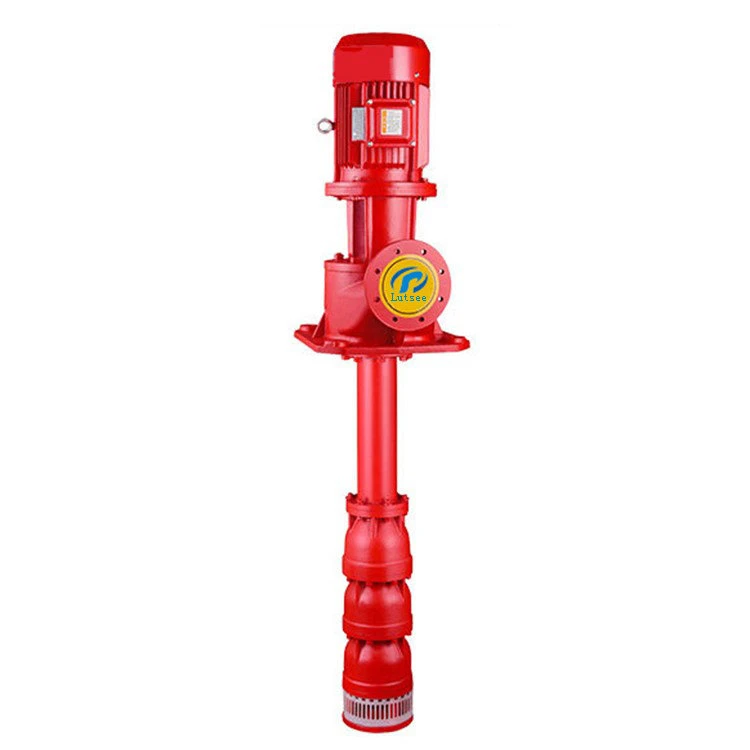
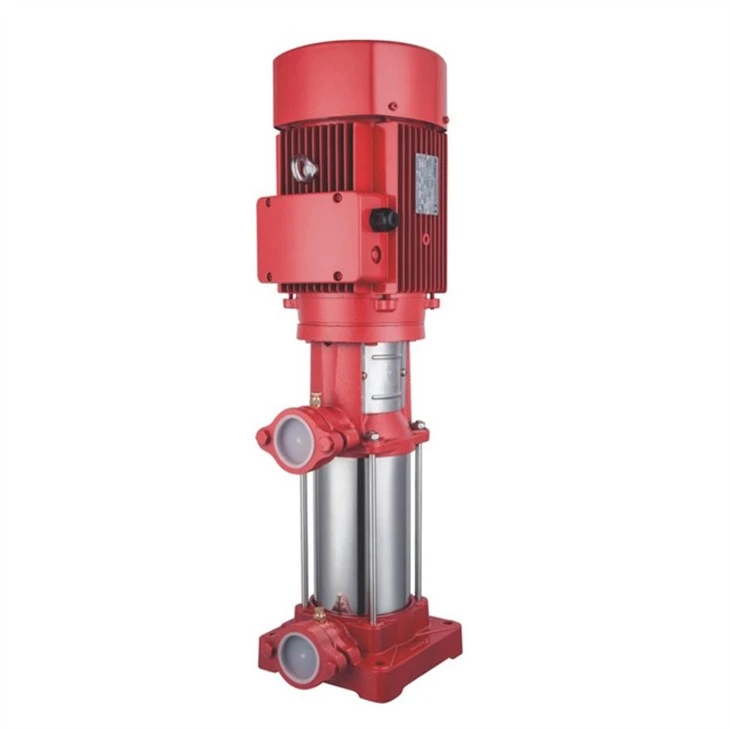
As a fire pump supplier, we are committed to providing high-quality fire pumps and comprehensive support to our customers. If you have any questions or need assistance with preventing cavitation in your fire pump, please don't hesitate to contact us. We're here to help you select the right pump, install it correctly, and maintain it for optimal performance. Whether you're in the process of purchasing a new fire pump or need to upgrade an existing system, we can provide the expertise and solutions you need. Reach out to us today to start a conversation about your fire pump requirements and explore how we can work together to ensure the safety and reliability of your fire protection system.
References
- Karassik, I. J., Messina, J. P., Cooper, P. T., & Heald, C. C. (2008). Pump Handbook. McGraw-Hill.
- ANSI/HI 9.6.1-2017, Rotodynamic Pumps - Guideline for NPSH Margin. Hydraulic Institute.
- NFPA 20: Standard for the Installation of Stationary Pumps for Fire Protection. National Fire Protection Association.