Cavitation is a common and troublesome issue in slurry pump operation. As a reputable slurry pump supplier, we understand the detrimental effects of cavitation on pump performance and longevity. In this blog, we will delve into the causes of cavitation in slurry pumps and provide practical strategies to prevent it.
Understanding Cavitation in Slurry Pumps
Cavitation occurs when the pressure of the liquid in the pump drops below its vapor pressure, causing the formation of vapor bubbles. These bubbles then collapse when they reach a region of higher pressure, generating shockwaves that can damage the pump components. In slurry pumps, which handle abrasive and often viscous fluids, cavitation can lead to accelerated wear, reduced efficiency, and even complete pump failure.
The main causes of cavitation in slurry pumps can be categorized into three aspects: system design, pump selection, and operating conditions.
System Design
- Inlet Conditions: Poor inlet piping design can lead to uneven flow distribution and pressure drops, increasing the likelihood of cavitation. For example, if the inlet pipe is too small or has too many bends, it can cause excessive turbulence and pressure loss at the pump inlet.
- Suction Lift: If the suction lift is too high, the pressure at the pump inlet may drop below the vapor pressure of the slurry, resulting in cavitation. It is important to ensure that the suction lift is within the pump's specified limits.
Pump Selection
- Incorrect Pump Size: Choosing a pump that is too small for the application can cause the pump to operate at a high flow rate and low head, leading to cavitation. On the other hand, a pump that is too large may operate at a low flow rate, which can also cause cavitation due to recirculation within the pump.
- Impeller Design: The design of the impeller plays a crucial role in preventing cavitation. An impeller with a proper blade shape and size can ensure smooth flow through the pump and reduce the risk of cavitation.
Operating Conditions
- Flow Rate and Head: Operating the pump outside its recommended flow rate and head range can increase the likelihood of cavitation. It is important to monitor the pump's operating parameters and ensure that they are within the specified limits.
- Slurry Properties: The properties of the slurry, such as viscosity, density, and temperature, can also affect the occurrence of cavitation. For example, a high-viscosity slurry can cause increased frictional losses and pressure drops, leading to cavitation.
Strategies to Prevent Cavitation in Slurry Pumps
System Design Optimization
- Proper Inlet Piping Design: Ensure that the inlet pipe is of sufficient diameter and has a smooth interior surface to minimize pressure drops. Avoid sharp bends and elbows in the inlet piping, and use gradual transitions to reduce turbulence.
- Suction Tank Design: If a suction tank is used, it should be designed to provide a stable and uniform flow of slurry to the pump. The tank should have a sufficient volume to prevent air entrainment and ensure that the slurry level remains above the minimum required level.
- Suction Strainer: Install a suction strainer to prevent large particles from entering the pump, which can cause blockages and increase the risk of cavitation. The strainer should be regularly cleaned to maintain its effectiveness.
Pump Selection and Installation
- Correct Pump Sizing: Select a pump that is appropriately sized for the application, taking into account the flow rate, head, and slurry properties. Consult with a pump expert or use pump selection software to ensure the correct pump is chosen.
- Impeller Selection: Choose an impeller with a design that is suitable for the application and can minimize the risk of cavitation. Some impellers are specifically designed to resist cavitation, such as those with a larger blade area or a special coating.
- Proper Installation: Ensure that the pump is installed correctly, with the correct alignment and level. Improper installation can cause misalignment, which can lead to increased vibration and cavitation.
Operating and Maintenance Practices
- Monitor Operating Parameters: Regularly monitor the pump's operating parameters, such as flow rate, head, pressure, and temperature, to ensure that they are within the recommended range. Use a monitoring system to detect any changes in the operating conditions that may indicate the onset of cavitation.
- Control Flow Rate and Head: Adjust the flow rate and head of the pump as needed to maintain optimal operating conditions. This can be achieved by using a flow control valve or a variable frequency drive (VFD).
- Maintain Slurry Properties: Keep the slurry properties within the recommended range by controlling the solids concentration, viscosity, and temperature. This can be achieved by using a slurry mixing system or a temperature control device.
- Regular Maintenance: Perform regular maintenance on the pump, including inspection, cleaning, and replacement of worn components. This can help to prevent cavitation and extend the life of the pump.
Conclusion
Cavitation is a serious issue that can significantly affect the performance and reliability of slurry pumps. By understanding the causes of cavitation and implementing the strategies outlined in this blog, you can effectively prevent cavitation and ensure the long-term operation of your slurry pumps.
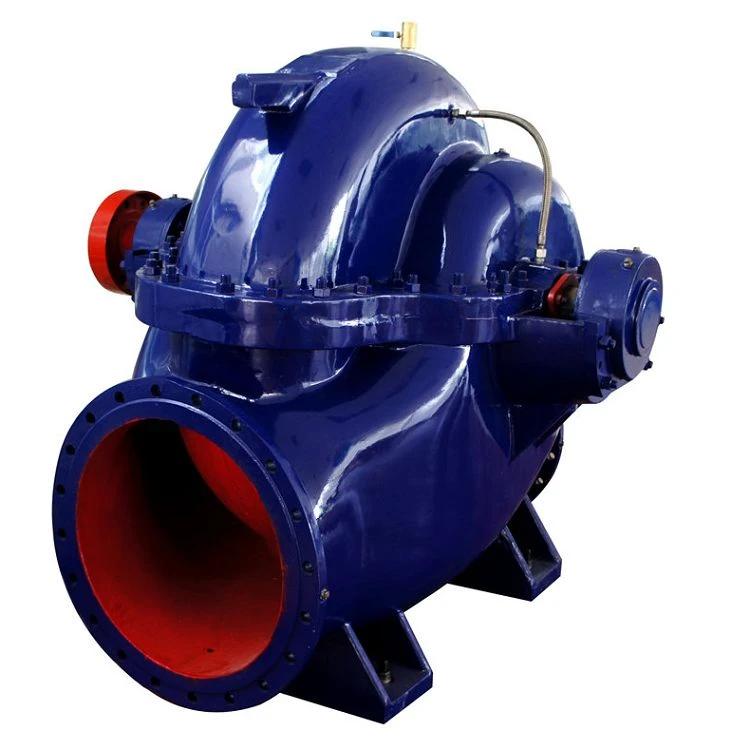
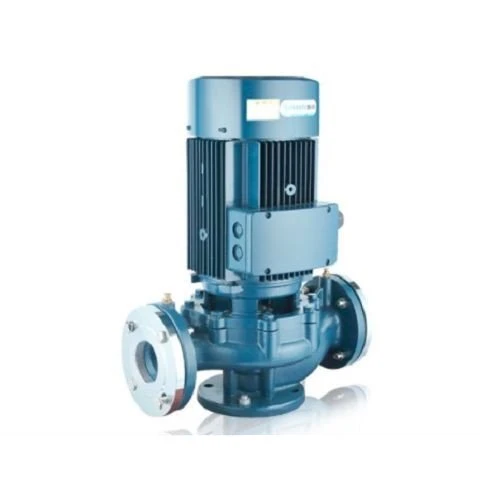
As a leading slurry pump supplier, we offer a wide range of high-quality slurry pumps, including Single Stage Double-Suction Centrifugal Pump, Horizontal Split Casing Centrifugal Pump, and Vertical In Line Pump. Our pumps are designed to meet the most demanding applications and are backed by our expert technical support and after-sales service.
If you are experiencing cavitation issues with your slurry pumps or need help selecting the right pump for your application, please contact us. Our team of experts will be happy to assist you in finding the best solution for your needs.
References
- Karassik, I. J., Messina, J. P., Cooper, P. T., & Heald, C. C. (2008). Pump Handbook. McGraw-Hill Professional.
- Stepanoff, A. J. (1957). Centrifugal and Axial Flow Pumps: Theory, Design, and Application. Wiley.
- Hydraulic Institute. (2012). ANSI/HI 9.6.1-2012 Rotodynamic Pumps - Guideline for NPSH Margin.