Hey there! As a supplier of slurry pumps, I've seen firsthand how corrosion can mess things up big time. Corrosion not only shortens the lifespan of these pumps but also leads to a bunch of operational headaches. So, in this blog, I'm gonna share some practical tips on how to prevent corrosion in a slurry pump.
First off, let's understand what causes corrosion in slurry pumps. Slurry pumps handle abrasive and often corrosive materials like slurries containing acids, alkalis, or salts. The constant flow of these aggressive substances, combined with the high - velocity movement of the slurry, can wear away the pump's internal components. Plus, factors like temperature, pH levels, and the presence of oxygen can also speed up the corrosion process.
Material Selection
One of the most crucial steps in preventing corrosion is choosing the right materials for your slurry pump. Different materials have different levels of resistance to corrosion. For example, stainless steel is a popular choice because it has a high chromium content, which forms a protective oxide layer on the surface, preventing further corrosion.
Another option is rubber - lined pumps. Rubber is highly resistant to abrasion and corrosion, especially in applications where the slurry contains acids or alkalis. The rubber lining acts as a barrier between the metal parts of the pump and the corrosive slurry.
If you're dealing with extremely corrosive slurries, you might want to consider using exotic alloys. These alloys are specifically designed to withstand harsh chemical environments. However, they can be quite expensive, so you need to weigh the cost against the benefits.
When selecting materials, it's also important to consider the compatibility of different components. For instance, if you're using a metal impeller and a rubber - lined casing, make sure they are compatible to avoid any galvanic corrosion.
Coatings and Linings
Applying coatings and linings is another effective way to prevent corrosion. There are various types of coatings available, such as epoxy coatings, ceramic coatings, and polyurethane coatings.
Epoxy coatings are known for their excellent chemical resistance and adhesion. They can be applied to the internal surfaces of the pump to create a protective barrier against the corrosive slurry. Ceramic coatings, on the other hand, offer high hardness and wear resistance, making them suitable for applications with high - velocity slurries.
Polyurethane coatings are flexible and have good abrasion and corrosion resistance. They can be used in a wide range of applications, from mild to highly corrosive environments.
When applying coatings, make sure the surface is properly prepared. This usually involves cleaning, degreasing, and sandblasting the surface to ensure good adhesion of the coating.
Proper Operation and Maintenance
How you operate and maintain your slurry pump can also have a big impact on its corrosion resistance. First of all, keep the pump running at the recommended flow rate and pressure. Operating the pump outside of its design parameters can cause excessive wear and tear, which can lead to corrosion.
Regularly inspect the pump for signs of corrosion. Check the internal components, such as the impeller, casing, and seals, for any signs of pitting, rust, or cracking. If you notice any issues, address them immediately.
Clean the pump regularly to remove any buildup of slurry or debris. This can prevent the formation of corrosive agents and reduce the risk of corrosion. You can use a mild detergent and water to clean the pump, but make sure to dry it thoroughly afterwards to prevent rust.
Proper lubrication is also essential. Make sure to use the right type of lubricant for your pump and follow the manufacturer's recommendations for lubrication intervals.
Monitoring and Control
Monitoring the operating conditions of your slurry pump is crucial for preventing corrosion. You can use sensors to monitor parameters such as temperature, pH levels, and the concentration of corrosive substances in the slurry.
By continuously monitoring these parameters, you can detect any changes in the operating conditions that could lead to corrosion. For example, if the pH level of the slurry changes, you can take corrective action, such as adjusting the chemical composition of the slurry or changing the operating conditions of the pump.
Corrosion Inhibitors
Corrosion inhibitors are chemicals that can be added to the slurry to reduce the rate of corrosion. There are different types of corrosion inhibitors, such as organic inhibitors, inorganic inhibitors, and mixed inhibitors.
Organic inhibitors work by forming a protective film on the metal surface, preventing the corrosive substances from coming into contact with the metal. Inorganic inhibitors, on the other hand, react with the metal surface to form a passive layer that inhibits corrosion.
Mixed inhibitors combine the properties of both organic and inorganic inhibitors, offering enhanced corrosion protection. However, when using corrosion inhibitors, make sure to follow the manufacturer's instructions carefully, as improper use can lead to other problems.
Now, let's talk about some of the pumps we offer. We have a wide range of Single Stage Double - Suction Centrifugal Pump that are designed to handle various types of slurries. These pumps are built with high - quality materials and advanced corrosion - prevention technologies to ensure long - term reliability.
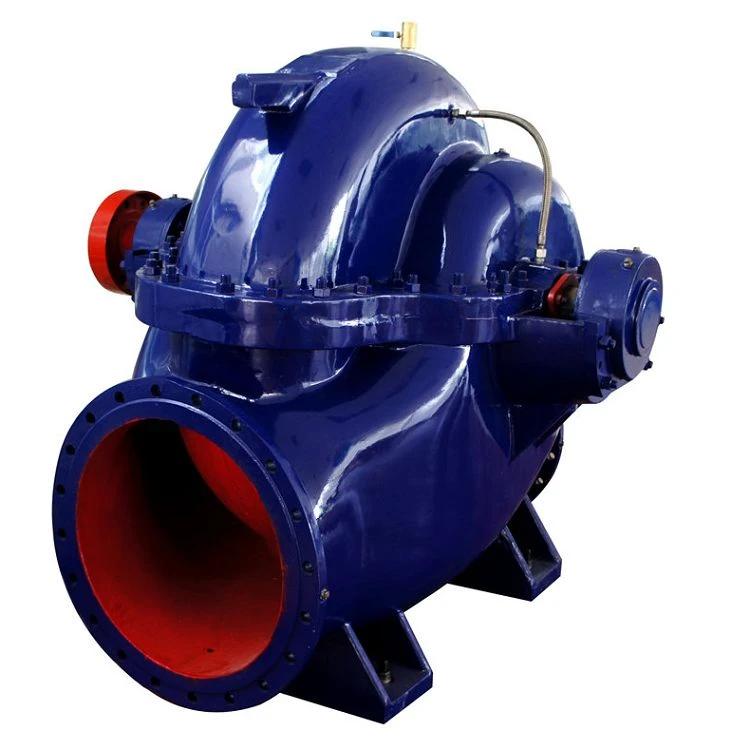
Our Horizontal Split Casing Centrifugal Pump is another great option. It has a unique design that allows for easy maintenance and inspection, which is important for preventing corrosion.
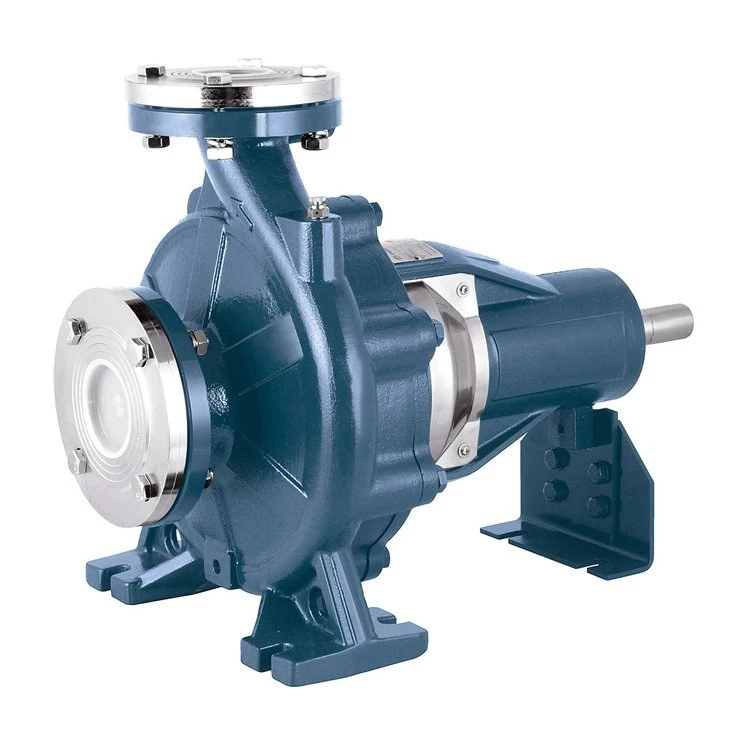
And if you're looking for a more compact solution, our End Suction Centrifugal Pump is a popular choice. It's efficient and reliable, and can be customized to meet your specific corrosion - prevention needs.
In conclusion, preventing corrosion in a slurry pump requires a combination of proper material selection, coatings and linings, correct operation and maintenance, monitoring, and the use of corrosion inhibitors. By following these tips, you can extend the lifespan of your pump and reduce the cost of maintenance and replacement.
If you're interested in learning more about our slurry pumps or have any questions about corrosion prevention, feel free to reach out to us. We're here to help you find the best solution for your needs.
References
- ASM Handbook, Volume 13A: Corrosion: Fundamentals, Testing, and Protection.
- Pump Handbook, 4th Edition by Igor Karassik.