Corrosion in pump suction is a common and costly problem that can significantly reduce the efficiency and lifespan of pumping systems. As a leading Pump Suction supplier, we understand the importance of preventing corrosion to ensure the optimal performance of your pumps. In this blog, we will explore various strategies and best practices to prevent corrosion in pump suction.
Understanding Corrosion in Pump Suction
Before delving into prevention methods, it's essential to understand the causes of corrosion in pump suction. Corrosion is a natural process that occurs when metal reacts with its environment, leading to the deterioration of the material. In pump suction, several factors can contribute to corrosion:
- Chemical Composition of the Fluid: The chemical properties of the fluid being pumped play a crucial role in corrosion. Aggressive chemicals, such as acids, alkalis, and salts, can accelerate the corrosion process. For example, seawater contains high levels of salts, which can cause severe corrosion in pump suction made of certain metals.
- Oxygen Content: Oxygen in the fluid can react with the metal surface, forming metal oxides and promoting corrosion. In some cases, the presence of dissolved oxygen can be a major factor in corrosion, especially in systems where the fluid is in contact with air.
- pH Level: The pH level of the fluid can also affect corrosion. Acidic fluids (low pH) can cause rapid corrosion of metals, while alkaline fluids (high pH) can sometimes form protective layers on the metal surface, reducing corrosion.
- Temperature: Higher temperatures generally increase the rate of corrosion. As the temperature rises, the chemical reactions involved in corrosion occur more rapidly, leading to faster deterioration of the pump suction.
Selecting the Right Material
One of the most effective ways to prevent corrosion in pump suction is to select the appropriate material for the specific application. Different materials have different resistance to corrosion, and choosing the right one can significantly extend the lifespan of the pump suction. Here are some common materials used in pump suction and their corrosion resistance properties:
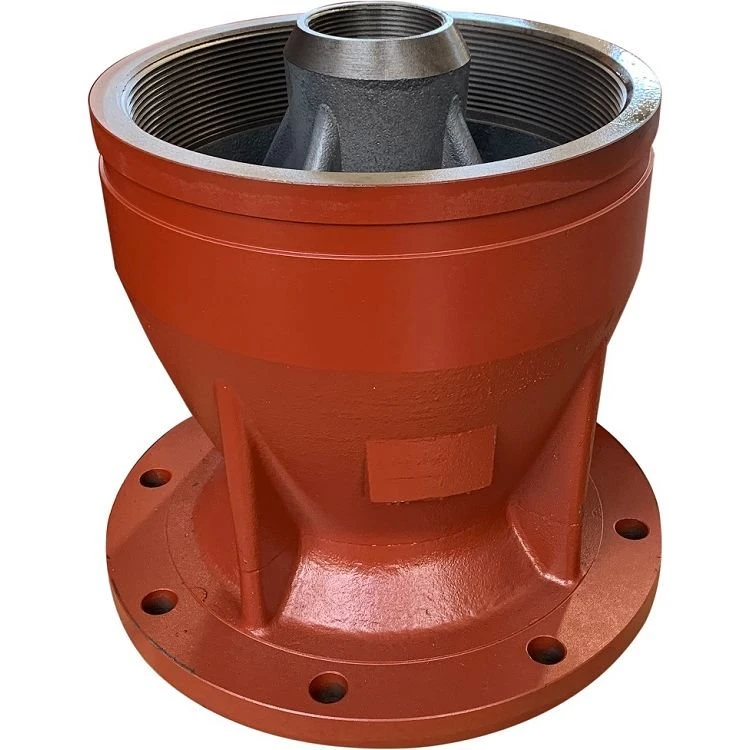
- Cast Iron Pump Suction: Cast iron is a widely used material in pump suction due to its low cost and good mechanical properties. However, it is relatively susceptible to corrosion, especially in aggressive environments. Cast Iron Pump Suction can be protected with coatings or linings to improve its corrosion resistance.
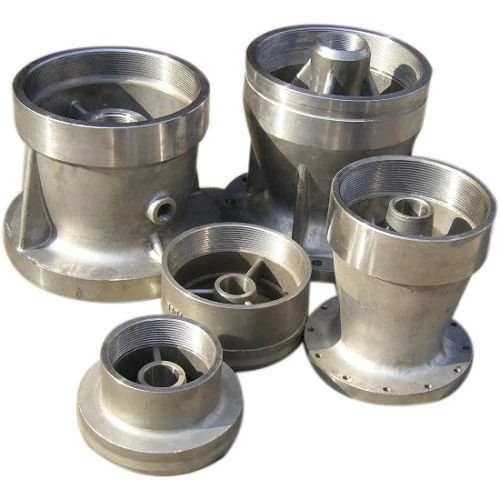
- Stainless Steel Pump Suction: Stainless steel is a popular choice for pump suction in corrosive environments. It contains chromium, which forms a passive oxide layer on the surface, providing excellent corrosion resistance. Stainless Steel Pump Suction is suitable for a wide range of applications, including those involving aggressive chemicals and high temperatures.
- Plastic and Composite Materials: Plastic and composite materials, such as polyvinyl chloride (PVC), fiberglass-reinforced plastic (FRP), and polyethylene (PE), are also used in pump suction. These materials are lightweight, corrosion-resistant, and have good chemical resistance. They are often used in applications where the fluid is highly corrosive or where weight is a concern.
Surface Treatment and Coating
In addition to selecting the right material, surface treatment and coating can further enhance the corrosion resistance of pump suction. Surface treatments can modify the surface properties of the metal, making it more resistant to corrosion. Coatings, on the other hand, provide a physical barrier between the metal and the corrosive environment. Here are some common surface treatment and coating methods:
- Galvanizing: Galvanizing is a process of coating the metal with a layer of zinc. Zinc is more reactive than the base metal, so it acts as a sacrificial anode, protecting the metal from corrosion. Galvanized pump suction is commonly used in outdoor applications where the pump is exposed to moisture and air.
- Painting: Painting is a simple and cost-effective way to protect pump suction from corrosion. A good-quality paint can provide a protective barrier against moisture, chemicals, and UV radiation. However, the paint must be properly applied and maintained to ensure its effectiveness.
- Epoxy Coating: Epoxy coating is a high-performance coating that provides excellent corrosion resistance. It is commonly used in applications where the pump suction is exposed to aggressive chemicals or high temperatures. Epoxy coatings can be applied to both metal and non-metal surfaces.
- Ceramic Coating: Ceramic coating is a relatively new technology that offers superior corrosion resistance. It is a hard, durable coating that can withstand high temperatures and abrasive wear. Ceramic-coated pump suction is suitable for applications in harsh environments, such as mining and chemical processing.
Proper Installation and Maintenance
Proper installation and maintenance are also crucial for preventing corrosion in pump suction. Here are some best practices to follow:
- Proper Alignment: Ensure that the pump suction is properly aligned with the pump and the piping system. Misalignment can cause stress on the pump suction, leading to cracks and leaks, which can accelerate corrosion.
- Avoiding Air Entrainment: Air entrainment in the pump suction can cause cavitation, which can damage the pump and increase the risk of corrosion. Make sure that the suction line is properly primed and that there are no air leaks in the system.
- Regular Inspection: Regularly inspect the pump suction for signs of corrosion, such as rust, pitting, or discoloration. Early detection of corrosion can allow for timely repairs or replacement, preventing further damage to the pump.
- Cleaning and Flushing: Periodically clean and flush the pump suction to remove any debris, sediment, or scale that may accumulate on the surface. This can help prevent the formation of corrosion cells and maintain the efficiency of the pump.
- Monitoring and Control: Install monitoring devices, such as pH meters, temperature sensors, and corrosion probes, to monitor the operating conditions of the pump suction. This can help detect any changes in the environment that may lead to corrosion and allow for timely adjustments.
Water Treatment
If the fluid being pumped contains corrosive substances, water treatment can be an effective way to prevent corrosion in pump suction. Water treatment involves removing or reducing the concentration of corrosive substances in the water. Here are some common water treatment methods:
- Filtration: Filtration is a simple and effective way to remove suspended solids and debris from the water. This can help prevent the formation of corrosion cells and reduce the risk of abrasion on the pump suction.
- Softening: Softening is a process of removing calcium and magnesium ions from the water. These ions can form scale on the pump suction, reducing its efficiency and increasing the risk of corrosion. Softening can be achieved through ion exchange or reverse osmosis.
- pH Adjustment: Adjusting the pH level of the water can help prevent corrosion. If the water is too acidic, adding an alkaline substance, such as lime or soda ash, can raise the pH level and reduce corrosion. If the water is too alkaline, adding an acidic substance, such as sulfuric acid or hydrochloric acid, can lower the pH level.
- Corrosion Inhibitors: Corrosion inhibitors are chemicals that can be added to the water to prevent corrosion. They work by forming a protective layer on the metal surface, preventing the corrosive substances from coming into contact with the metal. Corrosion inhibitors can be organic or inorganic, and their effectiveness depends on the type of metal and the corrosive environment.
Conclusion
Preventing corrosion in pump suction is essential for ensuring the optimal performance and longevity of pumping systems. By selecting the right material, applying appropriate surface treatment and coating, following proper installation and maintenance procedures, and implementing water treatment measures, you can significantly reduce the risk of corrosion and extend the lifespan of your pump suction.
As a Pump Suction supplier, we are committed to providing high-quality products and solutions to our customers. If you have any questions or need further information about preventing corrosion in pump suction, please feel free to contact us. We will be happy to assist you in selecting the right pump suction for your application and providing you with the necessary support and advice.
References
- Fontana, M. G. (1986). Corrosion Engineering. McGraw-Hill.
- Uhlig, H. H., & Revie, R. W. (1985). Corrosion and Corrosion Control. Wiley.
- Roberge, P. R. (2008). Corrosion Engineering: Principles and Practice. McGraw-Hill.