As a seasoned Pump Parts supplier, I've witnessed firsthand the challenges that come with excessive noise from pump parts. Not only can it be a nuisance in industrial and domestic settings, but it can also indicate underlying issues that may lead to premature wear and tear, or even system failure. In this blog post, I'll share some effective strategies on how to reduce the noise of pump parts, drawing on my years of experience in the industry.
Understanding the Sources of Pump Noise
Before we delve into the solutions, it's crucial to understand the common sources of noise in pump parts. There are several factors that can contribute to excessive noise, including:
- Mechanical Vibration: This is one of the most common causes of pump noise. Vibration can occur due to misalignment of the pump shaft, unbalanced impellers, or loose components. Over time, these vibrations can cause wear and tear on the pump parts, leading to increased noise levels.
- Fluid Turbulence: When fluid flows through the pump at high speeds, it can create turbulence, which in turn generates noise. This can be exacerbated by improper pipe sizing, sharp bends in the piping system, or restrictions in the flow path.
- ** Cavitation:** Cavitation occurs when the pressure of the fluid in the pump drops below its vapor pressure, causing the formation of vapor bubbles. When these bubbles collapse, they create shock waves that can damage the pump parts and produce a loud, popping noise.
Strategies to Reduce Pump Noise
1. Proper Installation and Alignment
One of the most effective ways to reduce pump noise is to ensure proper installation and alignment of the pump parts. This includes:
- Shaft Alignment: Misaligned pump shafts can cause excessive vibration and noise. Use precision alignment tools to ensure that the pump shaft is perfectly aligned with the motor shaft. This will not only reduce noise but also extend the lifespan of the pump parts.
- Mounting: The pump should be mounted on a stable, vibration-damping foundation. Use rubber mounts or isolators to absorb vibrations and prevent them from being transmitted to the surrounding structure.
- Piping Installation: Proper piping installation is crucial to minimize fluid turbulence and noise. Use straight pipes with smooth inner surfaces, and avoid sharp bends or sudden changes in pipe diameter. Additionally, ensure that the pipes are properly supported to prevent vibration.
2. Maintenance and Inspection
Regular maintenance and inspection of the pump parts are essential to keep the noise levels in check. This includes:
- Lubrication: Proper lubrication of the pump bearings and other moving parts can reduce friction and noise. Follow the manufacturer's recommendations for lubrication intervals and use the appropriate lubricant.
- Impeller Balancing: Unbalanced impellers can cause excessive vibration and noise. Have the impellers balanced regularly to ensure smooth operation.
- Seal Inspection: Leaking seals can allow air to enter the pump, causing cavitation and noise. Inspect the seals regularly and replace them if necessary.
3. Noise Reduction Technologies
There are several noise reduction technologies available that can help to reduce the noise of pump parts. These include:
- Silencers: Silencers can be installed on the pump inlet or outlet to reduce the noise generated by fluid turbulence. They work by absorbing or reflecting the sound waves, preventing them from being transmitted to the surrounding environment.
- Vibration Isolators: Vibration isolators can be used to reduce the transmission of vibrations from the pump to the surrounding structure. They are typically made of rubber or other elastomeric materials and can be installed between the pump and its mounting surface.
- Acoustic Enclosures: Acoustic enclosures can be used to completely isolate the pump from the surrounding environment. They are typically made of sound-absorbing materials and can significantly reduce the noise levels.
Choosing the Right Pump Parts
As a Pump Parts supplier, I understand the importance of choosing the right parts for your pump system. When selecting pump parts, consider the following factors:
- Quality: Choose high-quality pump parts that are designed to withstand the rigors of your application. Inferior parts may be cheaper initially, but they can lead to increased noise levels and premature failure.
- Compatibility: Ensure that the pump parts you choose are compatible with your existing pump system. Using incompatible parts can cause misalignment, vibration, and other issues that can lead to increased noise levels.
- Noise Reduction Features: Look for pump parts that are designed with noise reduction features, such as balanced impellers, low-noise bearings, and vibration-damping materials.
Conclusion
Reducing the noise of pump parts is essential for ensuring the smooth operation of your pump system and minimizing the impact on the surrounding environment. By understanding the sources of pump noise and implementing the strategies outlined in this blog post, you can significantly reduce the noise levels and extend the lifespan of your pump parts.
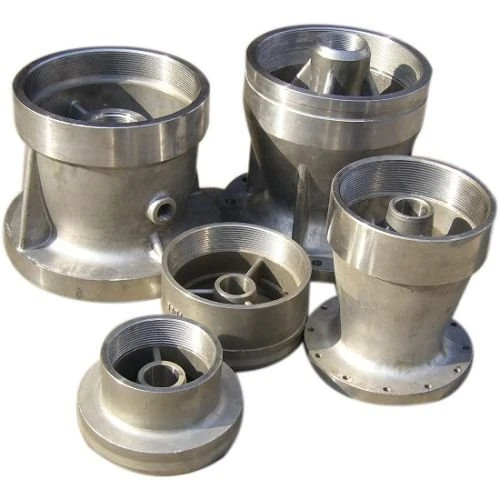
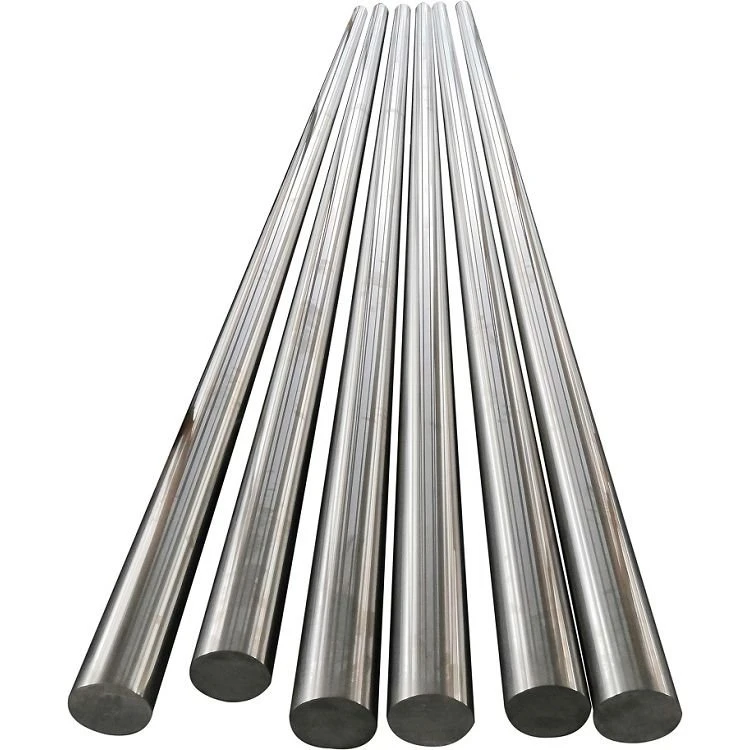
If you're looking for high-quality Sea Water Pump Parts or Pump Shaft to help reduce the noise of your pump system, I invite you to contact me. As a trusted Pump Parts supplier, I have a wide range of products available to meet your needs. Let's work together to find the best solutions for your pump system and ensure quiet, efficient operation.
References
- "Pump Noise Reduction - A Practical Guide," by Pump Industry Research Institute.
- "Noise and Vibration in Pumps," by the American Society of Mechanical Engineers (ASME).
- "Pump Installation and Maintenance Manual," by the manufacturer of your pump system.